- All
- Product Name
- Product Keyword
- Product Model
- Product Summary
- Product Description
- Multi Field Search
English

Author: Site Editor Publish Time: 2026-06-10 Origin: Site
A reusable sanitary pad is not just a washable version of a disposable pad. It feels different, moves differently, and requires a different care routine. Some users choose it because they prefer fabric against the skin. Some like the quiet, flexible feel. Others want a menstrual product they can wash, dry, and return to their drawer without relying on single-use supplies. The question is not whether one option is automatically better for everyone. The better question is which option supports comfort, confidence, and daily life for a particular user.
KINGSOO’s Menstrual Products category gives a practical context for reusable pads, period underwear, and related menstrual care items. For readers comparing reusable sanitary pads with disposable pads, the most important topics are surface comfort, absorbency, fit, cleaning, odor control, and how the pad behaves during work, sleep, school, travel, and exercise.
Disposable pads often use plastic-like top sheets, adhesives, and synthetic backings. Some users do well with them, but others notice warmth, noise, rubbing, or irritation. Reusable sanitary pads usually use soft textile layers. The surface can feel more like underwear than a medical product. For users with sensitive skin, that softer touch can make the menstrual routine feel less harsh, especially during long days or overnight wear.
Comfort depends on design, not just the word reusable. A reusable pad still needs the right width, length, wing shape, stitching, and absorbent core. A pad that is too narrow may shift. A pad that is too thick may feel bulky. A pad that is too long may bunch when sitting. A good design should stay close to the underwear, bend with the body, and maintain a dry-feeling surface for the intended use period.
Common surface choices include cotton, bamboo blends, charcoal bamboo, athletic wicking fabrics, and soft fleece. Each feels different. Cotton feels natural and familiar. Bamboo blends can feel smooth. Wicking fabrics may feel drier during active hours. Fleece can feel soft but may be warmer for some users. The best surface depends on climate, activity level, skin sensitivity, and personal preference.
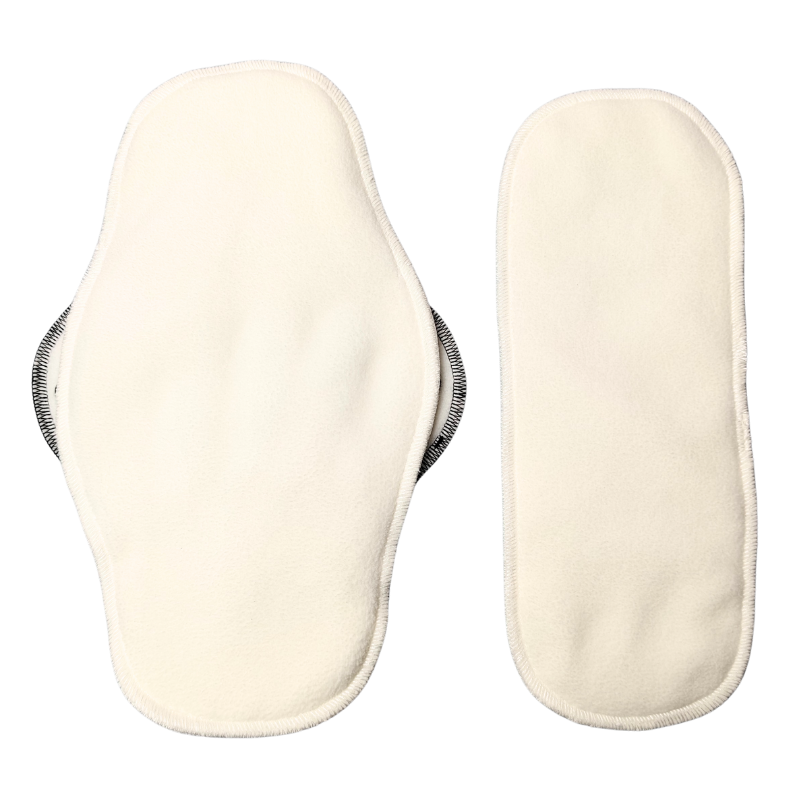
Reusable sanitary pads are often designed with layered absorbency. A top layer touches the body. Inner layers hold liquid. A backing layer helps protect underwear. This layered design makes flow matching important. A light pad may feel perfect near the end of a cycle. A longer pad may feel better overnight. A heavy-flow pad may need wider rear coverage. Using the same pad for every moment can lead to frustration, even when the pad itself is well made.
Users should think about direction of flow as well as amount. Some people need more front coverage. Others need rear coverage while sleeping. Some need a center channel that helps liquid move into the core quickly. Good reusable pad design considers how bodies move, how underwear stretches, and how the pad sits when the user is walking, sitting, or lying down.
Use situation | Useful pad feature | Reason it matters |
|---|---|---|
Light days | Thin, flexible core | Feels close to regular underwear |
Work or school | Stable wings and soft surface | Reduces shifting during long sitting periods |
Sleep | Longer shape with rear coverage | Supports side and back sleeping positions |
Exercise | Breathable surface and secure snap | Helps control bunching and warmth |
Travel | Foldable design and wet bag pairing | Makes changes easier outside the home |
Care is one of the biggest differences between reusable and disposable pads. A reusable pad should be rinsed with cold water after use, washed with a mild detergent, and dried fully before storage. That routine may sound like extra work at first, but many users find it becomes easy once they have a dedicated wet bag and a clear laundry rhythm.
Cold rinsing is important because it helps remove blood before washing. Hot water at the first rinse can set stains. Fabric softener should be avoided because it can coat absorbent fibers. Strong bleach can weaken fabric and irritate skin. The safest routine is usually simple: cold rinse, proper wash, full drying, clean storage.
If a pad cannot be rinsed immediately, fold it inward and place it in a washable wet bag. Do not leave damp pads sealed for too long. Airflow and timely washing help prevent odor. At home, a small container or wet bag used only for menstrual products can keep the routine organized and discreet.
The comparison is not a contest with one winner for every person. Disposable pads are convenient for one-time use and may be preferred during emergencies. Reusable pads can feel softer, quieter, and more personal once the care routine is established. The right choice depends on lifestyle, flow, laundry access, comfort needs, and how the user feels wearing each product.
Topic | Reusable sanitary pad | Disposable pad |
|---|---|---|
Skin feel | Textile surface, often softer and quieter | Varies by top sheet and adhesive design |
Routine | Requires rinsing, washing, drying, and storage | Used once and discarded |
Fit | Depends on snap position, underwear style, and pad shape | Depends on adhesive and underwear surface |
Customization | Can use different fabrics, lengths, prints, and absorbency layers | Limited to the product options available |
Noise and flexibility | Usually softer and quieter during movement | May feel crinkly for some users |
A reusable sanitary pad attaches around the underwear with wings and snaps. It needs underwear with enough structure to hold the pad close to the body. Very loose underwear may allow shifting. Very narrow underwear may cause bunching. Stretchy underwear can work well if it holds the pad snugly without pulling it out of shape. Users should test reusable pads with their real everyday underwear, not only with a pair they rarely wear.
Pad width also matters. A wider pad may feel secure but may not suit narrow underwear. A narrow pad may feel discreet but may not provide enough side confidence. Brands designing reusable pads need to test several underwear styles because the pad and underwear work as a system.
Odor concerns are common, but reusable sanitary pads should not smell strongly after proper washing and drying. Lingering odor often points to incomplete rinsing, detergent residue, damp storage, or insufficient drying. The solution is usually routine adjustment rather than stronger fragrance. Menstrual products sit close to sensitive skin, so clean-rinsing care is better than heavy scents.
Drying fully is especially important. A pad may feel dry on the surface while the inner core remains damp. Hang pads open with airflow around them. If the climate is humid, allow more drying time before storage. Clean storage helps pads stay fresh between cycles.
Small details decide whether users reach for a reusable pad again. Rounded ends can reduce folding. Soft edge stitching can reduce rubbing. A stable snap can keep the pad in place. A clear absorbency label can help users choose the right pad quickly. A darker inner surface may help users worry less about visible staining. A breathable outer layer can improve comfort in warm climates.
Prints also matter. Many reusable pad users enjoy cheerful, calming, or minimalist prints because menstrual care becomes part of personal routine rather than something to hide. For brands, print variety can support different audiences. Small-batch and multi-print customization can help brands test designs without forcing every pattern into a large, permanent collection.
Reusable sanitary pads need careful balance. The product must feel soft but not flimsy. It must absorb well but not become bulky. It must wash clean but not take too long to dry. It must look appealing but still perform after repeated washing. Brands should define the intended use before choosing layers: light liner, daytime pad, overnight pad, postpartum support, or starter set.
KINGSOO’s custom reusable product support can help organize materials, prints, absorbency levels, labels, and packing details. For brands preparing a menstrual care line, clear care instructions should be part of the product. A user who understands rinsing, washing, and drying is more likely to have a positive experience.
A thicker pad is not always better. Shape, fiber blend, and liquid distribution matter. A pad that spreads liquid well can feel more comfortable than a bulky pad that absorbs only in one small area.
Reusable pads need underwear that holds them close. If the pad shifts, try a more supportive underwear style before changing the pad type.
Cold rinsing helps remove stains and improves washing. Skipping this habit can make laundry more difficult.
Fully dry storage protects freshness. Damp pads should not be folded into a drawer.
Switching to reusable sanitary pads does not need to happen all at once. Many users begin with one situation that feels low pressure, such as lighter days at home or overnight use when they can check comfort in the morning. After gaining confidence, they add pads for work, school, travel, or heavier days. This gradual approach helps users learn which length, surface fabric, and wing shape they prefer.
A gradual switch also helps users build a care habit. Rinsing, washing, and drying become familiar before the full cycle depends on reusable products. Once the routine feels natural, the user can decide which pad shapes deserve a permanent place in the drawer. The goal is not to follow someone else’s routine. The goal is to create a system that feels secure and easy for the user’s own body.
Reusable sanitary pads can make menstrual care feel more personal. Some users prefer soft neutral fabrics. Others enjoy bright prints that make the routine feel less clinical. Some need very thin liners. Others need longer shapes for sleep. Because reusable pads can be made in different lengths, layers, and prints, they allow more expression than many single-use products. Comfort and appearance work together when the design is thoughtful.
For brands, the product is not complete without clear care guidance. A reusable pad should arrive with simple instructions explaining cold rinsing, washing, drying, and storage. The wording should be calm and practical. If the user understands the routine from the beginning, the product feels less intimidating. Good care information also helps protect the pad’s softness and absorbency through many cycles.
They can be very comfortable when the surface fabric, pad width, and underwear match the user’s body and routine.
Leaks can happen if the pad is saturated, shifts, or does not match the flow pattern. Choosing the right absorbency and wearing supportive underwear helps.
Rinse with cold water, wash with mild detergent, avoid fabric softener, and dry fully before storage.
Yes, but overnight use usually needs a longer shape and stronger absorbent core with rear coverage.
Yes. Brands can discuss fabric, length, snap style, absorbency layers, prints, packaging, and care instructions through KINGSOO’s contact page.
Reusable sanitary pads can be a better choice for users who want a soft textile feel, a washable routine, and more control over fabric and fit. Disposable pads may still suit some moments, but reusable pads offer a different experience built around comfort, care, and repeat use. The best decision comes from understanding flow, underwear fit, cleaning habits, and skin preference. When those details are right, reusable menstrual care can feel natural, secure, and easy to maintain.