Author: Site Editor Publish Time: 2026-05-15 Origin: Site
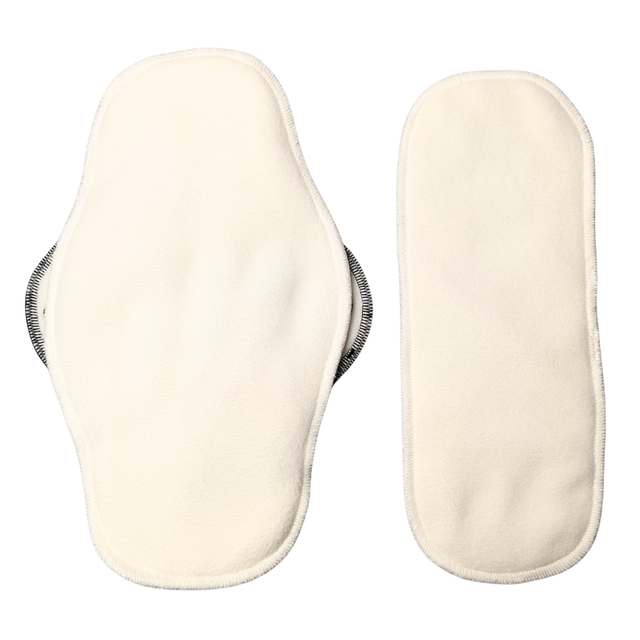
When you look for cloth diaper inserts, you may hear parents talk about their favorites. Many parents like Thirsties Natural, Rumparooz G3, bumGenius Original 5.0, and Disana tie nappies. These are popular because they fit well and soak up a lot. They also make things easier for parents. See what parents say about their favorite picks:
Brand | Why Parents Love It |
|---|---|
Thirsties Natural | Smaller size, natural fibers, easy to use |
Rumparooz G3 | Adjustable fit, leak protection, stretchy panels |
bumGenius Original 5.0 | Feels like disposable, simple for caregivers |
You can trust these choices. Real families use them every day and share what works.
You want to know which cloth diaper inserts are best. This table helps you compare the most popular ones. It shows what they are made of, how much they absorb, and what parents think.
Insert Type | Main Material | Absorbency Level | Parent Rating (1-5) | Notable Features |
|---|---|---|---|---|
Thirsties Natural | Cotton/Hemp Blend | Good for newborns | 4.2 | Easy to use, soft, snug fit |
Rumparooz G3 | Microfiber | Fast, moderate | 4.0 | Stretchy, leak protection |
bumGenius Original | Microfiber | Reliable, moderate | 4.1 | Feels like disposable, simple |
Disana Tie Nappy | Organic Cotton | Moderate, buildable | 4.3 | Customizable, gentle on skin |
Hemp Insert | Hemp | Very high, slow | 4.4 | Holds lots, great for nights |
Bamboo Insert | Bamboo | High, fast | 4.3 | Soft, wicks moisture well |
Each insert uses a different material. Hemp holds the most but absorbs slowly. It is good for nighttime. Bamboo absorbs faster than hemp. It holds more than cotton. Bamboo is great for daytime. Cotton is easy to wash. It absorbs quickly and holds a fair amount. Microfiber soaks up fast. It can leak if squeezed. Do not put microfiber right on your baby’s skin.
Tip: If you need more absorbency, try putting hemp under bamboo or cotton. This keeps your baby dry and comfy.
Parents like inserts that make things easier. Many say hemp and bamboo are best for babies who wet a lot. Thirsties Natural and Disana tie nappies are comfy and fit well. They work well for newborns. Some parents say microfiber is easy to use. It may not last as long. Organic cotton feels soft and gentle. It is good for sensitive skin.
If you want a quick choice, pick inserts with high parent ratings. Choose materials that fit your baby’s needs.
You might love this insert if you want something simple and reliable. Many parents say it works well for both new and experienced cloth diaper users. You can see the most common pros and cons in the table below:
Pros | Cons |
|---|---|
Cost-effective compared to other cloth diapers | Limited print options |
Made in the USA, ensuring fair labor standards | Entire diaper must be changed each time |
Adorable prints available | Can be bulky to carry around when dirty |
Good fit for slim children | More expensive than some cheaper alternatives |
Excellent absorbency for daytime use | |
High quality and durability | |
Convenient for caregivers | |
Options for organic materials and different closures |
Parents often mention how easy these are to use. One parent shared,
"I can send these to daycare and know my baby will stay dry. The fit is great for my skinny little one!"
You may find the absorbency perfect for daytime. The soft material feels gentle on your baby's skin. Some parents wish there were more prints to choose from. You might notice that carrying a dirty one can feel bulky, but many say the benefits outweigh this.
This insert stands out for its stretchy fit and leak protection. Parents like how you can adjust the size as your baby grows. You can stuff the pocket with different layers, which helps if your baby needs more absorbency.
Pros:
Stretchy panels give a snug fit.
Leak protection works well for active babies.
Easy to adjust as your baby grows.
Cons:
Microfiber can sometimes hold smells.
You need to stuff the insert, which takes a little extra time.
One parent said,
"I love how I can add more layers for naps. The fit is always just right, even as my baby gets bigger."
You might find these inserts easy to wash and dry. If you want a flexible option, this one could work for you.
If you want something that feels like a disposable diaper, this insert could be your pick. Parents say it is simple for babysitters or grandparents to use. The microfiber material soaks up wetness quickly.
Pros:
Feels familiar for caregivers.
Absorbs fast, keeping your baby dry.
Easy to use and clean.
Cons:
Microfiber can leak if squeezed.
Not as durable as natural fibers.
A parent shared,
"I like these for outings. They are quick to change and don’t confuse my mom when she babysits."
You may want to use a liner if your baby has sensitive skin, since microfiber should not touch the skin directly.
You might enjoy these if you want something gentle and customizable. Parents love the soft organic cotton and the way you can fold them to fit your baby.
Pros:
Very gentle on sensitive skin.
You can adjust the fit as your baby grows.
Easy to layer for more absorbency.
Cons:
Takes practice to tie.
Not as quick to change as other styles.
One parent said,
"These are so soft and never leave marks. It took me a few tries to get the tie right, but now I love them."
You may find these inserts work well for newborns and babies with delicate skin. If you want a natural option, this could be a great choice.
Many parents reach for hemp and bamboo when they need extra absorbency. These inserts hold a lot of liquid, which makes them popular for overnight use or heavy wetters. You can see the main pros and cons in the table below:
Type | Pros | Cons |
|---|---|---|
Hemp | Extremely absorbent; holds onto liquid | Slow to soak up liquid; slow to dry; build-up smells; expensive |
Bamboo | Extremely absorbent; holds onto liquid | Slow to soak up liquid; slow to dry; expensive |
Parents often layer hemp under bamboo or cotton to keep their baby dry. One parent explained,
"Hemp inserts are a game changer for nights. My baby stays dry until morning!"
You might notice these inserts take longer to dry after washing. Some parents mention they can develop smells if not washed well. Still, if you need cloth diaper inserts that handle a lot of wetness, hemp and bamboo are top picks.
If you want to find the best cloth diaper inserts for your family, think about what matters most to you. Do you need something easy for caregivers? Are you looking for the softest material? Do you need overnight protection? Each insert has its own strengths, and real parents have found what works for them.
You can pick from many cloth diaper inserts. Each kind has its own benefits. Let’s look at the main types so you can choose what is best for your baby.
Microfiber inserts soak up wetness very fast. They are popular because they dry quickly after washing. At first, they absorb a lot, but they can leak if squeezed. You should not put microfiber right on your baby’s skin. Many parents say microfiber is easy to use and clean. If you want something simple, this type could work for you. Microfiber does not last as long as natural fibers, so it may wear out sooner.
Tip: Put microfiber with another insert to make it absorb more and keep your baby comfy.
Bamboo inserts are soft and absorb well. They pull wetness away from your baby’s skin. Bamboo lasts a long time, so you can use it for many months. Parents like bamboo for daytime because it stays soft after lots of washes. Bamboo dries slower than microfiber, but it holds more liquid.
Hemp inserts hold the most wetness. You use hemp when you need something for overnight. Hemp absorbs slowly, so you may want to use it with another insert that works faster. Hemp inserts last a long time, so they are strong and durable. Some parents say hemp feels stiff after washing, but it gets softer with use. If your baby wets a lot, hemp is a great choice.
Insert Type | Absorbency | Durability | Parent Preference |
|---|---|---|---|
Microfiber | Fast, moderate | Moderate | Easy, quick changes |
Bamboo | High, fast | High | Soft, gentle feel |
Hemp | Very high, slow | High | Overnight, heavy wetters |
Cotton | Moderate, fast | Moderate | Sensitive skin, easy care |
Cotton inserts are classic and trusted. They soak up a fair amount and are easy to wash. Cotton feels soft and gentle, so it is good for babies with sensitive skin. You can fold cotton inserts to fit different diaper sizes. Many parents like cotton because it is simple and works well for newborns. Cotton does not hold as much as hemp or bamboo, but you can use more layers for extra absorbency.
Note: Try mixing different inserts to get the best wetness protection and comfort for your baby.
You want the best cloth diapers for your baby’s needs. Some babies need more absorbency at night or if they are heavy wetters. The best cloth diaper for overnight use or for babies who wet a lot should handle leaks and keep your baby dry. Check out this table to see which inserts work best for different situations:
Scenario | Recommended Product | Absorbency Level |
|---|---|---|
Overnight Use | Highly rated prefolds | Best absorption scores |
Heavy Wetters | Highly rated prefolds | Impressive leak protection |
Budget Option | Best cloth diaper overall | High absorbency |
If you notice leaks, try adding a hemp insert under a bamboo or cotton layer. This combo gives you the best cloth diaper for both daytime and nighttime.
Fit matters a lot. You want the best cloth diapers that hug your baby’s legs and waist without leaving marks. Look for inserts that stay in place and move with your baby. If you see red marks, try adjusting the fit or switching to a softer material. The best cloth diaper overall will always feel comfy and snug.
You can find the best cloth diapers without giving up on quality. Many parents love highly rated prefolds because they last through many washes and fit different sizes. These inserts help you build a stash that works for your family. You can mix and match to get the best cloth diaper for your needs.
Laundry can feel like a big job, but the best cloth diapers make it easier. Choose inserts that wash clean and dry fast. Microfiber dries quickly, but hemp and bamboo need more time. If you want to save time on laundry, pick inserts that do not hold onto stains or smells. Always follow care instructions to keep your best cloth diaper in top shape.
Your daily routine matters when you pick the best cloth diapers. If you travel often or send your baby to daycare, try these tips:
Use pre-stuffed pocket diapers or all-in-ones for daycare.
Give caregivers clear instructions with pictures.
Pack wet bags for storing used diapers.
Try hybrid systems for more flexibility when you travel.
You can enjoy the benefits of reusable diapers while reducing waste. The best cloth diapers fit your life, keep your baby dry, and help you avoid leaks. With the right fit and laundry routine, you will find the best cloth diaper overall for your family.
You can pick from many cloth diaper inserts. Each one is comfy, absorbs well, and is easy to use. Families give their ratings for each insert.
Test Type | Description |
|---|---|
Absorbency Testing | Inserts are tested with fake pee to see how fast they soak up. |
Performance Metrics | They check for leaks and how inserts work when babies move. |
Overall Score | Absorbency is a big part of the score, showing what parents care about most. |
If you need diapers for nighttime, try hemp or bamboo. Cotton is good for babies with sensitive skin. Microfiber and all-in-ones are easy to use.
Parents usually want:
Things that are easy
Safe and healthy materials
Less harm to the environment
Simple cleaning
You may ask which material is best or how many layers you need. That is normal! Every family needs something different. All these inserts are liked by real parents. Do you have a favorite or a question? Share your thoughts below—your advice helps other families!
You usually need 24 to 36 cloth diapers for full-time cloth diapering. This number lets you wash every two to three days. If you use cloth diapers part-time, you can start with 12 to 18. You may want more if your baby is a heavy wetter.
First, shake off solids into the toilet. Rinse cloth diapers in cold water. Wash with a cloth diaper-safe detergent in hot water. Rinse again. Dry cloth diapers in the sun or in a dryer. Always check the care label for your cloth diapering routine.
Yes, you can use cloth diapers overnight. For heavy wetters, add extra inserts. Many parents layer hemp and bamboo for more absorbency. Cloth diapering at night may need a snug fit. Try different combinations to find what keeps your baby dry.
Make sure cloth diapers fit snugly around the legs and waist. Use enough absorbency for your baby’s needs. Try mixing inserts like hemp and bamboo. Change cloth diapers often. Cloth diapering works best when you check for gaps and adjust the fit.
Cloth diapers are gentle on sensitive skin. Choose natural fibers like cotton or bamboo. Wash cloth diapers with a gentle detergent. Rinse well to remove soap. Cloth diapering helps you avoid harsh chemicals found in some disposables.
Tip: If your baby has sensitive skin, try using cloth diapers with only natural fiber inserts. This can help reduce irritation and keep your baby comfortable.
Place dirty cloth diapers in a dry pail or wet bag. Make sure you close the bag tightly. Wash cloth diapers every two to three days. This keeps smells away and makes cloth diapering easier. Do not soak cloth diapers in water before washing.
Yes, you can travel with cloth diapers. Pack enough cloth diapers and wet bags for your trip. Choose easy-to-use cloth diapers for travel. Plan to wash cloth diapers every few days. Cloth diapering on the go takes practice, but many families find it works well.
Check the fit around your baby’s legs and waist. If cloth diapers leave marks or feel tight, try the next size. Cloth diapering should not leave deep red marks. Most cloth diapers have adjustable snaps or rise settings for a better fit as your baby grows.
Cloth diapers are reusable and reduce waste. You can choose safe materials for your baby. Cloth diapering saves you trips to the store. Many parents say cloth diapers help with potty training. Cloth diapers come in many styles, so you can find what works for you.
Start with a few cloth diapers and inserts. Try different types to see what you like. Add more cloth diapers as you learn your routine. Cloth diapering does not need to be all or nothing. Mix and match until you find your favorite cloth diapers.
Note: Building your cloth diaper stash takes time. You can swap or share cloth diapers with other families to try new styles.