Author: Site Editor Publish Time: 2026-05-13 Origin: Site
If you want to make cloth diapering work with your newborn, the best tip is to keep things simple and consistent. You do not need to do everything perfectly. Focus on a routine that fits your family and supports your baby’s care. Cloth diaper choices help your baby and protect the environment at the same time. With a few practical tips, you can handle diapering with less stress and more confidence.
There are many cloth diaper choices. Each kind works best for different ages. Here is a simple table showing the main types:
Diaper Type | Pros | Cons |
|---|---|---|
Prefold | Easy to change and saves money; covers can be used again | Needs more steps; fitted diapers can be hard |
All-in-One | Simple to use, like disposables | Must wash before reuse; takes longer to dry |
Costs less than all-in-ones; you can add more layers | Takes time to fill and empty; lining may not fit everyone |
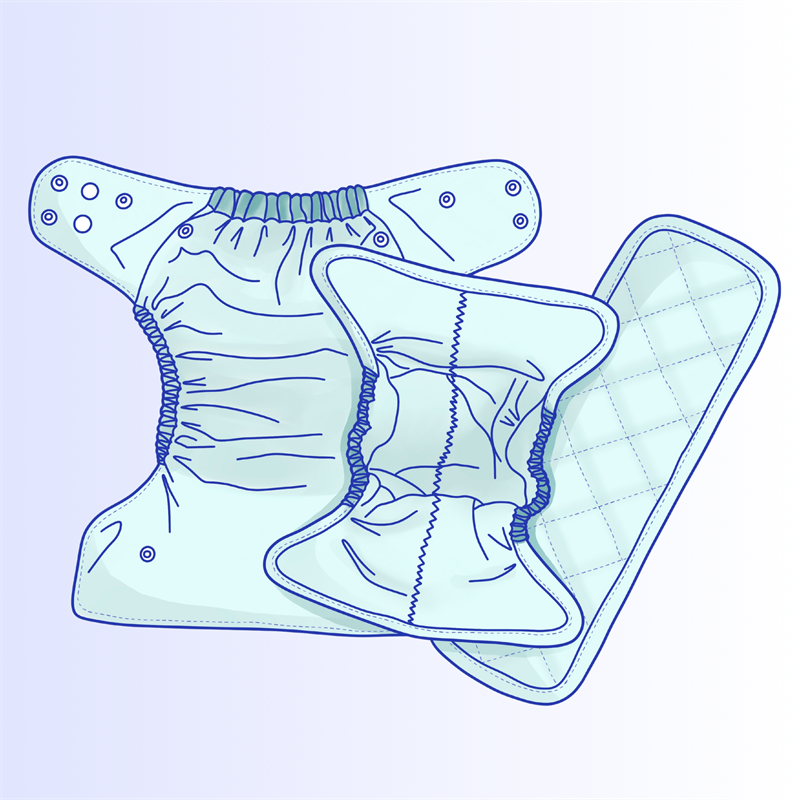
Prefolds are good for newborns because you can fold them small. All-in-ones are fast for changing busy toddlers. Pocket diapers let you add layers for babies who wet a lot.
Diapers should fit well but not leave marks. For newborns, pick diapers with snaps or hook-and-loop. These let you adjust the size as your baby grows. Toddlers need bigger diapers that hold more. You need enough diapers because newborns use 10 to 12 each day. Having plenty means you always have a clean one ready. This makes caring for newborns easier.
Tip: Try different kinds before buying a whole set. Babies grow quickly, so what fits a newborn may not fit a toddler.
Accessories help make cloth diapers simple. Here are some important ones:
Inserts add more layers, good for nights or toddlers
Wet bags hold dirty diapers when you go out
Liners catch messes and keep diapers clean
Diaper sprayer helps wash diapers easily
Cloth wipes are soft for cleaning
These items help you keep diapering easy and your baby happy. Using reusable things also helps the planet.
Before you use cloth diapers for newborn care, you need to prep them. New diapers often have natural oils or residue from the factory. You want to wash them a few times before the first use. This helps boost absorbency and keeps your baby comfortable. Wash the diapers in hot water with a safe detergent. Skip fabric softener because it can coat the fibers and block absorbency. Dry the diapers between washes. You can use a dryer or hang them outside. Sunlight helps remove stains and gives diapers a fresh smell.
If you use natural fiber diapers, wash them three to five times before using them for newborn care. Synthetic diapers usually need just one wash. Always check the diaper label for special instructions. Prepping your diapers the right way means fewer leaks and happier newborn care.
Tip: Wash inserts and covers separately if you want them to last longer.
A good diapering station makes newborn care much easier. Pick a spot near your baby’s sleeping area. Keep everything you need within arm’s reach. Here’s a simple checklist:
Clean cloth diapers
Wipes (cloth or disposable)
Diaper cream safe for cloth diapers
Wet bag or pail for dirty diapers
Extra inserts for more absorbency
Use baskets or small bins to organize supplies. You can label each bin so you find things fast. Keep a change of clothes nearby for quick changes. A well-organized station saves time and helps you stay calm during newborn care. When you set up your space, you make diaper changes smoother for you and your baby.
Getting the hang of cloth diapers with a newborn can feel tricky at first, but you’ll get faster with practice. Here’s a simple set of instructions to help you:
Lay your clean diaper flat on the changing surface. If you’re using a prefold, fold it into thirds or use the “newspaper fold” for extra coverage in the front.
Place your baby on top of the diaper. Make sure the back edge lines up with your baby’s waist.
Pull the front of the diaper up between your baby’s legs. Tuck any extra fabric around the legs to keep everything neat.
If you use a cover, lay it under your baby before you fasten the diaper. Snap or fasten the diaper snugly, but not too tight. You want to see two fingers fit between the diaper and your baby’s belly.
Check the legs and back for gaps. Tuck in any fabric sticking out. This helps prevent leaks and keeps your baby comfortable.
Tip: Always keep wipes and a clean diaper within reach before you start. This makes diapering smoother and safer.
You’ll find that cloth diapering gets easier with each change. Try to follow the same steps every time. This routine helps you feel confident and keeps your baby happy.
Babies grow fast, so you’ll need to adjust the fit of your diapers often. A good fit keeps leaks away and helps your baby stay dry. Here’s what you can do:
Use diapers with adjustable snaps or hook-and-loop closures. These let you change the size as your baby gets bigger.
Check the fit around the legs and waist. The diaper should be snug but not leave red marks.
For newborns, fold down the front of the diaper if it covers the umbilical cord stump. This keeps the area dry and helps healing.
As your baby grows, add more absorbent inserts or switch to larger diapers. This gives better coverage and keeps up with your baby’s needs.
Note: If you notice leaks or red marks, it’s time to adjust the fit. Try loosening or tightening the diaper, or add an extra insert for more absorbency.
You’ll get used to checking the fit during every change. This habit helps you avoid leaks and keeps your baby comfortable. Cloth diapering works best when you pay attention to these small changes.
Nighttime and outings can feel challenging with cloth diapers, but you can handle them with a few smart tips. Here’s how you can keep your baby dry and happy, even when you’re away from home or during long stretches at night:
Add a thin, absorbent insert made of bamboo or cotton. These doublers boost absorbency without making the diaper bulky. Fleece liners can help wick moisture away from your baby’s skin.
Always use a waterproof cover over the diaper. This extra layer keeps moisture inside and prevents leaks, especially when your baby sleeps for longer periods.
Try folding the diaper for extra layers in the wet zone. The “newspaper fold” or trifold method gives more protection for overnight use.
If you find that cloth diapers aren’t enough for nighttime, it’s okay to use a disposable diaper sometimes. Your baby’s comfort and sleep matter most.
Instructions: Pack a wet bag and a few extra diapers when you go out. This way, you can change your baby anywhere and keep dirty diapers contained until you get home.
You’ll discover what works best for your family as you try different methods. Cloth diapering during nighttime and outings takes a little planning, but you’ll soon feel like a pro. Stick with your routine, and don’t be afraid to adjust your approach as your baby grows.
You want to keep your cloth diapers fresh and ready for your baby. Wash diapers every two to three days. This routine helps prevent stains and odors from setting in. Store dirty diapers in a wet bag or pail until laundry day. When you start laundry, do a cold rinse first. This step removes most of the waste. Next, wash diapers in hot water with a safe detergent. Avoid using fabric softener. It can coat the fibers and lower absorbency. After washing, check that diapers smell clean. If you notice any odor, run another rinse cycle. Laundry care keeps your diapers in top shape and makes diaper changes easier.
Stains and odors can happen, but you have simple solutions. For breastfed newborn waste, you do not need to rinse before washing. The laundry machine can handle it. For older babies, shake off solids into the toilet before placing diapers in the pail. Sunlight is a natural stain remover. Hang clean, damp diapers outside for a few hours. The sun helps lift stains and freshens the fabric. If you notice lingering smells, try adding a little baking soda to your laundry routine. Always check that diapers are fully dry before storing them. This step prevents mildew and keeps care simple.
Tip: If you see stains after washing, do not worry. Most stains fade with time and regular laundry.
Choose a detergent that does not have additives or fragrances. These extras can build up on diapers and cause irritation. Read labels and pick a detergent made for sensitive skin. Dry diapers in the sun when you can. The sun helps with both drying and stain removal. If you use a dryer, select a low heat setting. High heat can damage the elastic and waterproof layers. Rotate your diaper stash so all diapers get equal use. This habit helps your cloth diaper last longer and supports easy care.
Leaks can make cloth diapering feel frustrating, but you can solve most problems with a few simple checks. First, make sure you have a snug fit around your baby’s legs and waist. The diaper should hug your baby without leaving deep red marks. If you see gaps, adjust the snaps or hook-and-loop closures. Sometimes, leaks happen because the inside of the diaper gets too wet. You might need to change diapers more often, especially for newborns or during naps.
If leaks keep happening, try these steps:
Check if the diaper is soaked inside. If it is, change more often or add a booster for extra absorbency.
Use boosters like cloth wipes or prefolds. These give you more layers where your baby needs them most.
Move the absorbent part to match your baby’s sleeping position or wetting pattern. For example, add more layers in the front for tummy sleepers.
Tip: Always check that the waterproof cover is in place and nothing sticks out. Even a small piece of fabric can let moisture escape.
You may need to try different brands or styles to find what works best for your baby. Every baby is unique, and so is their fit.
Diaper rash can show up even when you do everything right. Most rashes come from your baby’s skin touching urine or poop for too long. Sometimes, the type of diaper material or not changing often enough can make things worse. You can help your baby by changing diapers as soon as they get wet or dirty. Clean your baby’s skin gently with water or cloth wipes. Let your baby’s skin air out for a few minutes before putting on a new diaper.
Dermatologists suggest using a barrier ointment to protect your baby’s skin. Look for creams that are safe for cloth diapers. Avoid products with harsh chemicals or strong scents. Wash diapers well to remove all detergent and waste. If you see a rash that does not go away, talk to your doctor. Sometimes, a rash can mean your baby needs a different routine or has sensitive skin.
Note: Cloth diapers often help prevent rashes because they let you see when your baby is wet. Quick changes keep your baby comfortable and happy.
Some babies wet a lot or have big messes. You can handle these challenges with a few smart tricks. For heavy wetters, add doublers or cotton inserts to your diapers. Materials like bamboo, hemp, or microfiber with fleece lining soak up more moisture. Place the extra insert where your baby wets the most. You can also use the newspaper fold, trifold, or bikini twist to target wetness.
Always use a waterproof cover over the diaper. This keeps leaks inside and protects your baby’s clothes. For naps or nighttime, you might want to use two diapers or add a prefold cover on top. If you still have trouble, it’s okay to use a paper diaper for long stretches. Your baby’s comfort matters most.
Blowouts can happen, especially with newborns. Make sure the diaper fits snugly around the legs and back. Tuck in all fabric and check for gaps. Change diapers often to keep messes under control.
Callout: Keep extra clothes and a wet bag in your diaper bag. You’ll feel ready for anything, even on busy days.
Cloth diapering takes practice, but you’ll learn what works best for your baby. Stay patient and adjust your routine as your baby grows.
You want cloth diapering to fit your busy life. Try these simple hacks to save time and effort:
Store clean cloth diapers in a big basket. Skip folding or sorting. Grab what you need fast.
Use a closed container, like a diaper pail or large wet bag, for dirty diapers. This keeps smells away and makes laundry day easier.
Pack sample-sized detergents for travel. These take up less space and help you wash diapers anywhere.
If you cannot wash right away, use disposable inserts. They make cleanup simple and keep your cloth diapers fresh.
Tip: Always keep one extra diaper in your bag. You never know when you’ll need it!
Traveling with cloth diapers can feel easy with the right plan. Here are some tips for smooth trips:
Bring one extra diaper for day trips. You will not run out when you need it most.
For overnight trips, pack enough diapers for two days. Plan to wash them daily or every other day.
Use a medium wet bag for short outings and a larger one for longer stays. These bags hold dirty diapers until you get home.
Try flushable bamboo liners. They help you handle messes quickly while on the go.
Choose places with washing machines if you can. Bring small packs of detergent to save space.
Note: Cloth diapers are a sustainable option for travel. You help the planet and keep your baby comfy.
A good routine makes cloth diapering simple and stress-free. Wash diapers every two or three days. Wait until you have a full load, then use a large water setting for better cleaning. Try different detergents to see what works best for your diapers. Avoid fabric softeners. Use dryer balls to keep cloth diapers soft and absorbent. Stay open to trying new things. Your routine may change as your baby grows. With these tips, you can enjoy the benefits of cloth diapers and support sustainability every day.
Callout: Cloth diapering gets easier with practice. Stick with your routine and adjust as needed. You will find what works best for your family.
You can make cloth diapering work for your family with a few simple habits. Here are some key tips to remember:
Keep at least 16 to 24 diapers on hand for easy changes.
Try different diaper types before choosing your favorites.
Use extra inserts at night to keep your baby dry.
Set up a simple system that fits your routine.
With the right tools and support, cloth diapering becomes second nature. Stay flexible and patient as you find what works best for you and your baby. You’ve got this!
You’ll want about 16 to 24 cloth diapers for a newborn. This number lets you change your baby often and always have clean diapers ready. You can wash every two or three days without running out.
Yes, you can use diaper cream, but pick one that’s safe for cloth diapers. Some creams can cause buildup or stains. Look for creams labeled “cloth diaper safe” or use a liner to protect your diapers.
If your diapers smell, try an extra rinse cycle. Make sure you use enough detergent and avoid fabric softener. Sun-drying your diapers helps remove odors, too. If the smell sticks around, wash with hot water and check for detergent buildup.
Cloth diapers can work overnight if you add extra absorbency. Use a booster or insert made from bamboo or hemp. Always check the fit and make sure the cover is waterproof. If leaks happen, try changing your baby right before bedtime.