
Author: Site Editor Publish Time: 2025-07-11 Origin: Site
Are cloth diapers actually better? For many families, the answer is yes, but the real answer depends on what parents need most: softer materials, less daily waste, dependable fit, easier washing, or a routine that another caregiver can follow without confusion. Cloth diapering is no longer limited to flat cotton squares and pins. Modern systems include all-in-one diapers, pocket diapers, fitted diapers, covers, inserts, AI2 designs, and supportive accessories that make reusable diapering easier to manage at home and on the go.
For parents comparing disposable diapers with reusable cloth diapers, the best choice should feel realistic. A diaper may look sustainable on paper, but it also needs to fit the baby well, wash cleanly, dry within a practical time, and keep the changing routine simple. KINGSOO focuses on reusable baby care products made with waterproof TPU layers, soft inner fabrics, and adjustable structures, so its product direction fits naturally with parents who want cloth diapering to feel modern rather than complicated.
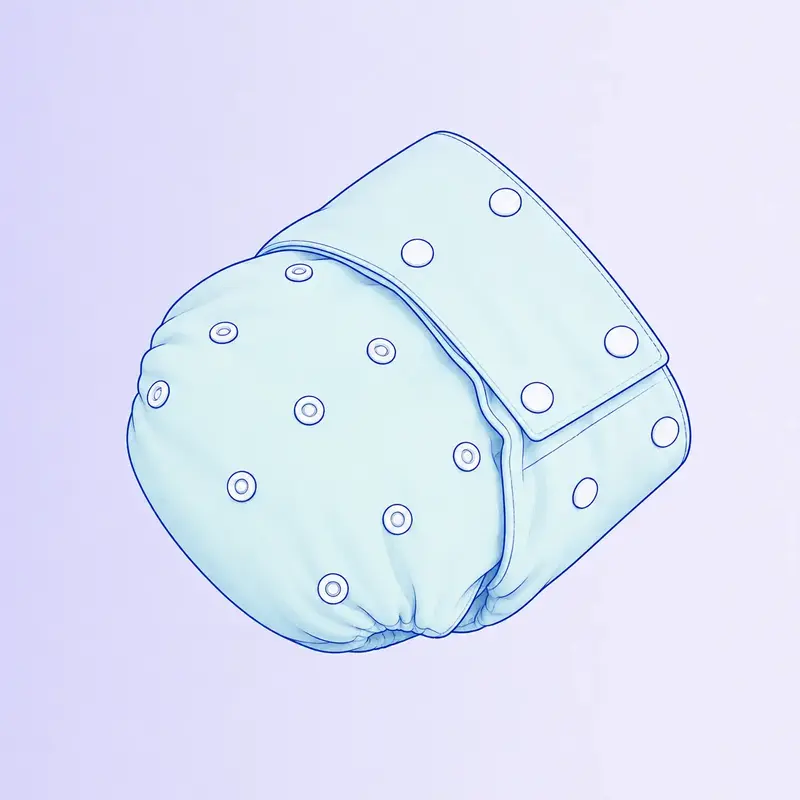
Parents often ask whether cloth diapers are better as if there is one universal answer. In real life, “better” can mean several things at once. Some families want to reduce disposable waste. Some want fabric that feels gentle against delicate skin. Others want a diapering routine that supports daytime play, naps, daycare, travel, and laundry rotation. Because every baby and home routine is different, the better option is the one that parents can keep using with confidence.
Cloth diapers are strongest when parents value reusability, fabric choice, and adjustable absorbency. Disposable diapers are strongest when parents need single-use simplicity. However, many families do not choose only one path. They may use cloth diapers at home, disposables during travel, and reusable accessories to reduce waste in daily routines. This balanced approach is often easier than trying to be perfect from day one.
| Decision Point | Why It Matters | Cloth Diaper Advantage |
|---|---|---|
| Skin comfort | Diapers touch the baby’s skin all day | Soft cotton, bamboo, hemp, or fleece blends can feel gentle and breathable |
| Waste reduction | Single-use diapers build up quickly | Reusable diapers can be washed and used many times |
| Fit control | Poor fit may cause gaps or leaks | Snaps, elastic, inserts, and covers allow more adjustment |
| Routine | A diaper must be easy enough for daily use | Modern systems offer simple options for parents, grandparents, and caregivers |
Cloth diapers can be a strong option for babies with sensitive skin because parents can choose the fabrics that touch the baby directly. Many cloth diaper systems use cotton, bamboo, hemp, fleece, or other soft textile blends. These materials can support airflow and reduce the warm, plastic-heavy feeling some babies experience in disposable diapers. A well-fitted cloth diaper should feel snug, soft, and secure without leaving deep marks around the waist or thighs.
That said, cloth diapers are not automatically rash-proof. Rashes can still happen when a diaper is left on too long, detergent is not rinsed well, or the fit causes friction. The routine matters as much as the diaper itself. Parents should change frequently, wash diapers with a suitable detergent, rinse away buildup, and make sure inserts are fully dry before storage. When those habits are in place, many families find cloth diapering comfortable and predictable.
Fabric is one of the biggest advantages of reusable diapering. Parents can select natural-feeling inner layers, stronger absorbent inserts, or waterproof outer shells based on daily needs. KINGSOO’s AI2 product page, for example, describes an outer shell laminated with TPU and inner fabric blends that include bamboo, organic cotton, hemp, and organic cotton layers. That type of construction shows how modern cloth diapers combine softness, moisture handling, and waterproof protection in one reusable system.
For babies who need extra absorbency during naps or outings, a structured option such as an AI2 baby diaper with snap-in boosters can help parents adjust the absorbent layers without changing the whole routine. While AI2 is not the same as an all-in-one diaper, it gives families another practical cloth diaper style to compare when building a reusable setup.
Cloth diapers reduce the number of single-use diapers a family throws away. That is the clearest environmental benefit. Instead of using one diaper once and discarding it, parents wash and reuse the same diaper many times. This makes cloth diapering especially appealing for families who already try to choose reusable shopping bags, refillable bottles, washable wipes, and other low-waste household habits.
However, cloth diapers still require water, detergent, drying space, and electricity. The environmental result depends on how the laundry routine is handled. Washing full loads, avoiding unnecessary extra rinses, line drying when possible, and reusing diapers for a second child can improve the overall result. In other words, cloth diapers are not magic, but they can support a lower-waste lifestyle when used thoughtfully.
A simple routine is easier to maintain than a complicated one. Most families do better when they wash every two to three days, keep dirty diapers in a breathable storage setup, and avoid letting damp items sit too long. Solids should be removed before washing, and diapers should be stored in a dry pail, pail liner, or wet bag until laundry day.
For daily storage, a pail liner for diaper storage can help keep used diapers contained until wash day. For outings, a smaller wet bag is easier to pack in a stroller or diaper bag. These accessories do not change the diaper itself, but they make the whole cloth routine feel much smoother.
Cloth diapers can work well for daily life when parents choose the right style for the situation. A newborn may need frequent changes and a smaller fit. A toddler may need more absorbency for naps and car rides. A daycare routine may need diapers that are already assembled and easy for another caregiver to use. A weekend trip may need a wet bag, extra inserts, and a backup plan.
The biggest mistake is thinking that one cloth diaper style must solve every situation. Many families prefer a mixed stash. For example, pocket diapers may work well during the day, fitted diapers may help at night, and an AI2 system may give more flexibility at home. Parents who want fewer parts may lean toward all-in-one diapers, while parents who want faster drying may prefer inserts and covers.
The right number depends on the baby’s age, how often the family washes, and how quickly diapers dry. Newborns usually need more changes than older babies, while toddlers may need fewer daytime changes but stronger absorbency for naps. Families who line dry may also need a few extra pieces because drying time changes with weather and indoor humidity.
A practical way to plan is to estimate daily changes, multiply by the number of days between washes, and add a small backup margin. Parents who are unsure can start with a part-time stash and expand after learning what works. KINGSOO’s cloth diaper stash planning guide is a useful internal reference for readers who want a more detailed count by age and laundry rhythm.
Different cloth diaper types solve different problems. There is no single winner for every family, so parents should compare diaper styles based on fit, drying time, absorbency, and caregiver ease.
All-in-one diapers combine the absorbent layer and waterproof outer layer in one piece. They are simple to put on and remove, so they feel familiar to caregivers who are new to cloth. They are especially useful for daycare bags, grandparents, and quick changes. The main trade-off is drying time, because the absorbent material is attached to the diaper body.
Pocket diapers include a shell and removable inserts. Parents can adjust absorbency by changing the insert combination. This makes pocket diapers useful for babies who need different protection during the day and at nap time. The extra step is stuffing the inserts after washing.
AI2 diapers use a reusable shell and removable booster or insert. Parents can change the absorbent part while keeping the shell in rotation when appropriate. This system can be helpful for families who want flexible absorbency and organized laundry. KINGSOO’s AI2 baby diaper page shows how snap-in boosters can help keep absorbent layers secure during movement.
A cover-and-insert setup gives parents control over absorbency and fit. The waterproof shell protects clothing, while the insert manages moisture. A product such as the baby diaper cover and insert system is relevant for readers who want to compare reusable diaper structures with adjustable layers and waterproof protection.
Leaks usually happen because of poor fit, not enough absorbency, compression, or buildup on the fabric. Parents should check the leg seal, waist fit, insert position, and change timing. If leaks happen during naps, adding a stronger insert or using a different diaper style may help.
Odor often means diapers are not getting clean enough or are staying damp too long before washing. A steady wash routine, proper storage, and full drying can help. Parents should also avoid fabric softeners because they can coat fibers and reduce absorbency.
Some caregivers worry that cloth diapers are hard to use. Pre-assembled diapers, clear labels, and a simple wet bag routine can reduce hesitation. For daycare or grandparents, all-in-one or pre-stuffed pocket diapers are often easier than systems that require folding.
Cloth diapering is not only about the diaper. Accessories can make the routine cleaner and easier to repeat. A wet bag holds used diapers during travel. A pail liner supports home storage. Inserts let parents adjust absorbency. Cloth wipes can make changing time more consistent because everything goes into the same laundry routine.
A leak-proof wet bag for baby essentials is especially helpful outside the home because it separates damp or used items from clean clothing, wipes, and spare diapers. That small organization step can make cloth diapering feel less messy during errands, daycare pickup, or family trips.
Cloth diapers can be better for families that value reusable products, fabric choice, adjustable fit, and lower household waste. They may also feel better for babies who do well with soft textile layers and frequent changes. However, they require washing, drying, storage, and a little planning. The best diaper is the one that protects the baby, fits the daily routine, and feels easy enough to keep using.
Parents do not need to switch perfectly all at once. A part-time cloth routine can still reduce waste and help families learn what works. Starting with a few reusable diapers, a wet bag, and a clear wash rhythm can make the change feel manageable. Over time, families can add the styles that fit their baby’s age, caregiver needs, and laundry schedule.
They can feel new at first, but modern cloth diapers are much easier than many parents expect. All-in-one diapers, pocket diapers, and AI2 systems reduce folding and make changes more familiar.
They should not leak when the fit, absorbency, and change timing are right. Most leak problems can be solved by adjusting the leg seal, adding absorbency, or washing away fabric buildup.
They can be a good choice because parents can select soft fabric layers and change frequently. A proper wash routine is still important to keep diapers clean and gentle.
Some daycare settings accept cloth diapers, especially when parents provide simple pre-assembled diapers and a wet bag. Parents should confirm the routine with the caregiver in advance.
Many families wash every two to three days. Washing too rarely can make odor harder to manage, while washing too often may add extra wear.
All-in-one diapers are usually the easiest because everything is built into one diaper. Pocket diapers are also beginner-friendly once the inserts are prepared after washing.
Cloth diapers are not automatically perfect for every home, but they are a strong choice for many modern families. They support reusable living, give parents more control over materials and absorbency, and can be adapted to newborns, infants, toddlers, daycare, and travel. With the right diaper style, a practical wash routine, and helpful accessories from the KINGSOO product range, cloth diapering can feel simple, clean, and realistic.


