
Author: Site Editor Publish Time: 2025-12-05 Origin: Site
Male and female dog diapers are not shaped the same for a simple reason: dogs do not urinate from the same body position. A diaper that fits a female dog well may fail on a male dog. A male belly band may control marking but will not cover the rear area needed for a female heat cycle. That difference affects comfort, leak protection, sizing, absorbency placement, and daily use.
This guide explains how male and female pet diapers differ, when each style should be used, and what buyers should check before choosing reusable dog diapers. It also highlights KINGSOO male and female dog diaper options that use waterproof TPU, absorbent layers, and washable construction for more practical pet care.
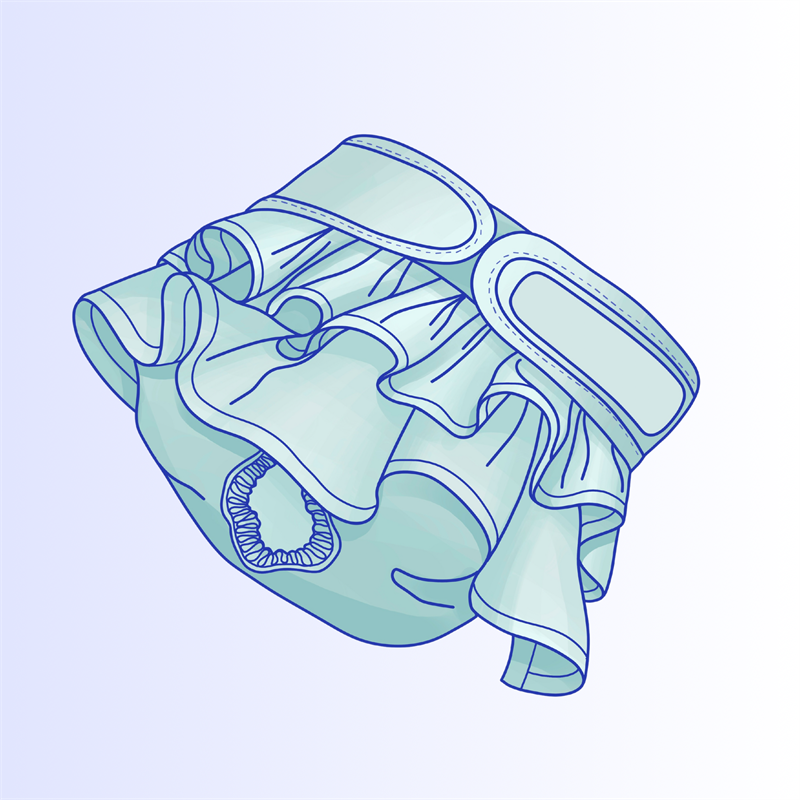
Dog diapers are not just small fabric garments. They must match anatomy, movement, skin comfort, tail position, waist shape, and the reason the diaper is being worn. A senior dog with incontinence has different needs from a young male dog that marks indoors. A female dog in estrus needs different coverage from a male dog recovering after surgery.
When the design is wrong, leaks are common. The diaper may twist, slide, rub the skin, or leave the target area uncovered. Owners often blame absorbency, but the real issue may be shape. A highly absorbent diaper cannot work if the absorbent panel sits in the wrong place.
The most important difference is where urine exits the body. Female dogs urinate from the rear area near the hindquarters. Male dogs urinate from the lower abdomen. This means the absorbent zone must sit in a different position for each gender.
| Feature | Female Dog Diaper | Male Dog Diaper |
|---|---|---|
| Main Coverage Area | Rear and hindquarters | Lower abdomen and waist |
| Common Shape | Full diaper with tail opening | Belly band or wrap |
| Best For | Heat cycles, female incontinence, discharge | Marking, male incontinence, light leaks |
| Tail Feature | Usually needs a tail hole | Usually no tail hole |
| Fit Priority | Rear coverage and leg comfort | Waist security and belly coverage |
Female dog diapers usually wrap around the hindquarters. They cover the genital area and often include a tail hole. This design helps manage urine, heat discharge, and post-surgical leakage around the rear. If the tail hole is too tight, it can rub. If it is too loose, the diaper may shift and leak.
KINGSOO’s female dog diapers for incontinence and estrus are described with a waterproof TPU outer layer, recycled polyester athletic wicking jersey lining, and a newly developed super absorbency fabric. Those material details matter because female diapers may stay in contact with a wider body area than a narrow belly band.
Male dog diapers often take the form of belly bands. They wrap around the waist and cover the lower abdomen. This placement targets male urination and marking behavior. A male dog does not need a full rear diaper for simple marking control, so a belly band can feel lighter and less restrictive.
The KINGSOO male dog diaper with waterproof TPU and ultra absorbent design is a relevant internal product page for male dogs that need targeted belly coverage. For buyers comparing reusable pet diaper styles, this kind of product shows why male design should not simply copy female diaper construction.
Fit decides whether a dog diaper works. Absorbency helps, but only after the diaper stays in the correct position. Dogs move, sit, stretch, shake, sleep, run, and sometimes try to remove the diaper. A loose diaper leaks. A tight diaper causes rubbing and stress.
Female dog diapers usually require waist measurement, hip coverage awareness, and tail position. Owners should measure the waist around the narrow area in front of the hind legs. They should also check whether the diaper covers the rear area without pulling too tightly across the tail.
For female dogs, a correct fit should cover the hindquarters, keep the absorbent zone close to the body, and allow the tail to move freely. If the diaper slides down when the dog walks, the waist may be too loose. If the dog resists movement, the leg openings or tail hole may be uncomfortable.
Male belly bands need a secure waist fit around the lower abdomen. The absorbent pad or panel must sit over the urinary area. Owners should measure around the belly, not just the narrowest waist point. A belly band that is too narrow may miss the target area, while one that is too wide may bunch and feel bulky.
For active male dogs, fastener strength matters. Hook-and-loop closures should hold during movement but not scratch the skin. Rounded corners and soft lining can improve comfort during longer wear.
When a dog is between sizes, the right choice depends on body shape. A long-bodied dog may need more coverage. A rounder dog may need a larger waist size. A very active dog may need a snugger fit, but not one that restricts breathing or movement. It is better to check fit after ten minutes of walking than to judge only while the dog stands still.
Female dog diapers are used for several reasons. The most common are heat cycles, urinary incontinence, recovery, house training, and travel. Each use case needs a slightly different balance of absorbency, comfort, and wear time.
During estrus, female dogs may have discharge that stains floors, bedding, and furniture. A reusable female dog diaper helps contain discharge and keep the home cleaner. The diaper does not replace responsible pet supervision, but it can make the heat cycle easier to manage indoors.
Owners should change the diaper regularly. Long wear without changing can irritate skin. Breathable lining and proper washing are especially important during this period.
Senior female dogs and dogs with medical issues may leak urine. A full-coverage diaper can help maintain hygiene and protect bedding. In this case, absorbency must match the severity of leakage. A light diaper may work for dribbles. Heavier leaks may need stronger absorbent layers or more frequent changes.
Some female dogs need diaper protection after surgery or during temporary loss of control. A diaper can help keep discharge contained, but owners should follow veterinary advice. The diaper should not press on wounds or trap moisture near healing tissue.
Male dog diapers are often used for marking control, mild incontinence, house training, and travel. In many cases, a belly band is enough. It covers the lower abdomen without adding unnecessary rear coverage.
Marking is one of the biggest reasons owners choose male belly bands. A dog may mark furniture, walls, curtains, or new objects. Training is still important, but a belly band helps protect the home while behavior improves.
A reusable belly band should be changed after wetting. It should not be left on for long periods after absorbing urine. Moisture against the skin can cause irritation.
Older male dogs or dogs with certain health conditions may leak urine. A belly band can manage light to moderate leakage. For heavier incontinence, owners may need stronger inserts or more frequent changes. The absorbent zone must stay aligned with the male urinary area.
Male belly bands can reduce stress during hotel stays, car rides, or visits to homes where marking would be a problem. They are easy to pack and quick to put on. For reusable systems, owners should bring a wet bag for used bands.
Material matters for both male and female dog diapers, but the design goal may differ. Female diapers cover more of the rear and leg area, so softness, flexibility, and tail comfort are critical. Male belly bands wrap around the abdomen, so waist comfort and secure closure are key.
Reusable pet diapers often use a waterproof outer layer, a soft inner lining, and an absorbent middle layer. KINGSOO’s female dog diaper page lists 100% recycled polyester interlock laminated with TPU for the outer layer, recycled polyester athletic wicking jersey for the lining, and a newly developed super absorbency fabric in the middle. These material choices support leak control and comfort in washable pet products.
The outer layer helps prevent moisture from escaping to furniture, floors, or bedding. TPU is commonly used because it provides a waterproof barrier while allowing the fabric to remain flexible. The outer layer should not feel stiff or noisy because dogs may reject uncomfortable garments.
The inner lining touches the dog’s body. A wicking lining helps move moisture away from the skin. This is especially useful for dogs that need diapers for more than a short period. Still, no fabric can replace regular changes. Owners should check skin often.
The absorbent part should match the use case. Light marking needs less absorbency than overnight incontinence. Heat discharge needs coverage and comfort rather than only liquid capacity. For some reusable dog diapers, booster pads can improve performance, but they must not make the fit too tight.
Disposable dog diapers are convenient. They are useful for travel, emergencies, or short-term use. Reusable dog diapers cost more upfront but can be washed and used many times. For dogs with recurring incontinence, heat cycles, or marking behavior, reusable products may reduce waste and long-term cost.
| Choice | Strength | Concern |
|---|---|---|
| Disposable diapers | Fast and convenient | Ongoing cost and waste |
| Reusable diapers | Washable and cost-effective over time | Needs cleaning routine |
| Reusable with booster | Adjustable absorbency | Can become bulky if overfilled |
For pet brands and retailers, reusable pet diapers can also support eco-friendly positioning. They offer opportunities for custom fabric, sizing, packaging, and private-label presentation.
Reusable dog diapers need simple but consistent care. Owners should remove solids if present, rinse when needed, fasten hook-and-loop closures, and wash with a mild detergent. Fabric softeners and harsh bleach can reduce performance. High heat may damage waterproof layers over time.
Change wet diapers promptly to protect skin.
Wash reusable diapers after use and dry fully before storage.
Fasten closures before washing to reduce snagging.
Use pet-safe detergent without heavy fragrance.
Check elastic, seams, and absorbent layers regularly.
Note: A reusable pet diaper should support hygiene, not hide a medical issue. Sudden incontinence should be discussed with a veterinarian.
For B2B buyers, male and female dog diapers should not be treated as one SKU with different colors. They are different use-case products. A good retail line should clearly separate male belly bands from female full-coverage diapers. Product pages should show measurement instructions, body coverage diagrams, washing guidance, and use cases.
Buyers should check:
Whether the product is designed for male or female anatomy.
Outer waterproof material and lining comfort.
Absorbency level and booster compatibility.
Closure quality and edge softness.
Available sizes for small, medium, and large breeds.
Wash durability and packaging clarity.
KINGSOO’s pet diaper category gives buyers a place to compare reusable pet diaper directions, while its male and female product pages show how gender-specific designs can support different hygiene needs.
Female dog diapers cover the rear and usually include a tail hole. Male dog diapers are usually belly bands that cover the lower abdomen.
It may not work well because the absorbent area may sit in the wrong position. A male belly band usually provides better targeted coverage.
Use female dog diapers for heat cycles, female incontinence, discharge control, recovery, travel, or house training support.
Use male dog diapers or belly bands for marking behavior, mild urinary incontinence, travel, or temporary indoor accident control.
Yes, if they are changed promptly, washed correctly, and dried fully. Poor washing or long wear after wetting can cause odor and skin problems.
Measure the correct body area. For females, check waist, rear coverage, and tail position. For males, measure the belly area where the band will sit.
Leaks do not always mean the diaper is poor quality. Many leaks come from the wrong gender style, wrong size, poor placement, or too much time between changes. A male belly band placed too far back will miss the urinary area. A female diaper with a loose tail opening may shift during walking. A diaper that is too absorbent but too bulky can gap at the edges.
| Problem | Likely Cause | Practical Fix |
|---|---|---|
| Male dog leaks from the front | Belly band sits too low or too narrow | Reposition band and check waist size |
| Female dog leaks near tail | Tail hole or rear fit is loose | Adjust size and check tail opening |
| Diaper slides off | Waist is too loose or body shape is hard to fit | Try a different size or stronger closure |
| Skin redness appears | Long wear time or friction | Change more often and check lining softness |
| Odor remains after washing | Insufficient cleaning or trapped residue | Improve wash routine and dry fully |
For pet owners, a small adjustment often solves the problem. For brands, troubleshooting guidance reduces returns. A product page should explain fit, sizing, gender use, and washing clearly. This is especially important for reusable pet diapers because customers need to understand both the garment and the care routine.
Dogs cannot explain that a diaper is tight, scratchy, or placed badly. Owners need to watch behavior. A dog that freezes, walks stiffly, chews the diaper, or hides may be uncomfortable. A dog that moves normally, rests calmly, and shows no redness after wear is more likely to tolerate the product.
Check the skin after the first short wear period. Look around the waist, belly, tail, and inner legs. Mild pressure marks may appear briefly, but redness, hair rubbing, or repeated scratching means something needs to change. It may be size, closure tension, fabric edge, or wear time.
Begin with short wear sessions before longer use.
Reward calm behavior so the dog associates the diaper with comfort.
Remove the diaper for outdoor toilet breaks unless advised otherwise.
Do not leave a wet diaper on the dog for extended periods.
Keep at least two or three reusable diapers in rotation for washing.
The number depends on why the dog wears diapers. A female dog in heat may need several diapers per day for a limited period. A senior dog with daily incontinence may need a larger rotation. A male dog used to marking indoors may need fewer if the diaper is worn only during certain times.
A practical starting point is three to six reusable diapers or belly bands for light to moderate daily use. One is worn, one is washed, and one is dry and ready. Heavier incontinence, longer workdays, or multiple dogs require more. Retailers should explain this because customers who buy only one reusable diaper may be frustrated by washing delays.
Pet diaper buyers in the B2B market should think about more than style. They need a size chart that real customers can use, material options that match the price tier, and packaging that explains gender differences clearly. The male product should show belly coverage. The female product should show rear coverage and tail position.
Print design also matters. Pet owners like attractive patterns, but comfort and wash durability come first. Hook-and-loop corners should be rounded. Edges should feel soft. Absorbent layers should sit in the right zone. For private-label projects, samples should be tested on different body shapes before bulk production.
KINGSOO’s pet diaper pages provide useful references for this kind of comparison because the male and female products are separated by use case. That separation helps buyers build a clearer product line instead of trying to sell one pet diaper for every dog.
Dog diapers help manage messes, but they do not replace training, veterinary care, or environmental changes. A male dog marking indoors may also need behavior work. A female dog with sudden leakage may need a medical check. A senior dog may need bedding changes, more outdoor breaks, and skin checks along with diapers.
This balanced message is important. Overpromising creates disappointment. A reusable dog diaper is a tool. It protects the home, supports hygiene, and gives owners more control. It works best when paired with realistic care habits.
Introducing a dog diaper should feel calm. Put the diaper near the dog first. Let the dog smell it. Then try a short wear period indoors while offering praise or a small reward. The first session should be brief. The goal is not full protection yet; it is comfort and acceptance.
After the first trial, check fit and skin. If the dog moves naturally, the sizing is probably close. If the dog sits down, twists, bites the closure, or refuses to walk, adjust the position or try another size. Some dogs need several short sessions before they accept a diaper. That is normal.
Owners should also keep the first few uses positive. Do not wait until a stressful travel day or a crowded house visit. Practice at home first. Once the dog accepts the garment, daily use becomes easier and less stressful for both the pet and the owner.
Male and female dog diapers differ because their purpose and coverage are different. Female diapers need full rear protection and tail comfort. Male diapers need secure belly coverage and absorbency in the right place. Choosing by gender, size, material, and use case helps reduce leaks and keeps the dog more comfortable.
For pet owners, the best diaper is the one the dog can wear safely and calmly. For retailers and brands, the best product line explains the difference clearly and offers reliable reusable options. KINGSOO’s male and female dog diaper pages provide useful product references for buyers comparing washable pet diaper designs for incontinence, estrus, marking, and daily hygiene care.


