- All
- Product Name
- Product Keyword
- Product Model
- Product Summary
- Product Description
- Multi Field Search
English

Author: Site Editor Publish Time: 2025-02-17 Origin: Site
A fitted cloth diaper is built for parents who want softness, close body coverage, and strong absorption without relying on a flat piece of fabric alone. Unlike a simple prefold, a fitted diaper is shaped around the baby’s body. It usually has elastic at the legs and back, a contoured center, and closures that keep the absorbent fabric in place. This structure helps the diaper move with the baby instead of shifting during naps, crawling, feeding, and play.
Comfort is not only about softness. A diaper can feel soft in the hand but still fit poorly, leave gaps, or become bulky between the legs. A well-designed fitted cloth diaper balances absorbency, shape, stretch, and breathability. It should hug the baby gently, hold moisture in the right area, and work with a cover or insert plan that suits the day. For families exploring reusable diapering, the broader Cloth Diaper category gives a useful starting point for comparing diaper systems.
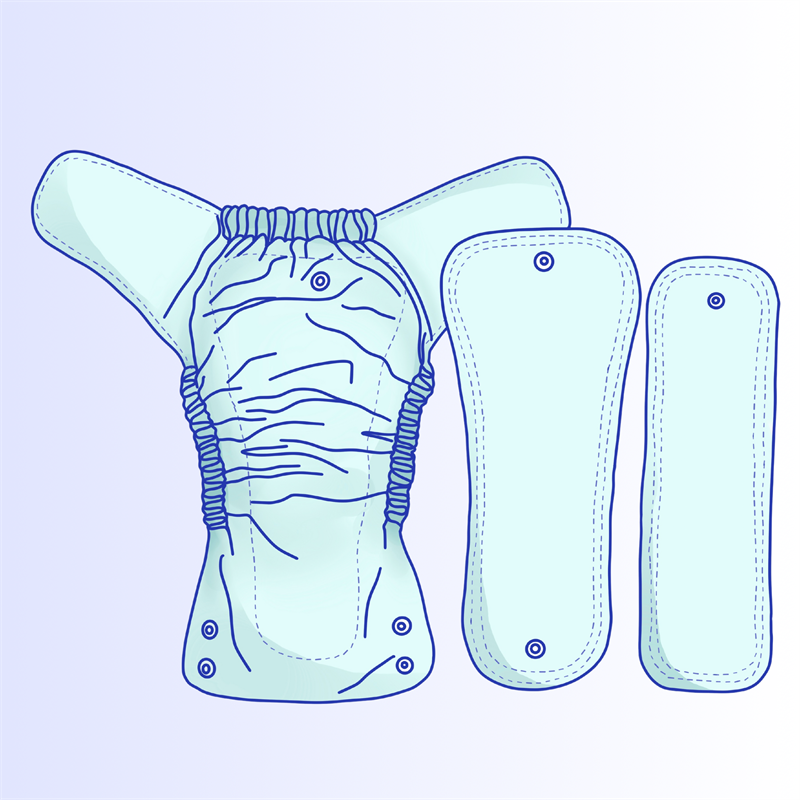
The main difference is shape. Flats and prefolds need folding. Pocket diapers need inserts placed inside a pocket. An all-in-one keeps layers attached in one unit. A fitted cloth diaper is fully absorbent across its body and is already shaped to wrap around the baby. Because the whole diaper body can absorb, fitted styles are often chosen for naps, heavy wetting, or sensitive babies who need a secure fit.
Most fitted diapers still need a waterproof cover. That is not a weakness. It allows the absorbent diaper and protective cover to do separate jobs. The inner fitted layer focuses on softness and liquid holding. The outer cover focuses on leak protection. Separating these functions gives parents flexibility. A breathable cover may be used at home. A stronger waterproof layer may be used for outings or sleep.
Part | Purpose | Comfort impact |
|---|---|---|
Contoured body | Wraps around the baby without complicated folding | Reduces shifting during movement |
Leg elastic | Helps contain liquid and mess at the thigh crease | Protects against gaps without hard edges |
Back elastic | Supports coverage while the baby lies or sits | Helps prevent rear leaks during naps |
Absorbent core | Stores liquid inside the diaper body | Controls dampness and supports longer wear periods |
Optional booster | Adds absorbency where needed | Improves performance without changing the whole system |
Babies move constantly. They curl, kick, roll, crawl, sit, and nap in positions that adults would never choose. A diaper that looks perfect while the baby is lying flat may gap when the baby sits. Fitted cloth diapers help because they are shaped around the waist and thighs. The elastic follows movement, while the absorbent body stays close to the skin-contact area.
The best fit feels secure but not tight. The leg openings should sit in the natural crease. The back should rise high enough to cover the baby during bending. The waist should allow comfortable breathing after feeding. If the diaper leaves deep marks or pushes into the belly, it needs adjustment. If the leg opening lifts away from the thigh, the diaper may leak even if the absorbent fabric is strong.
Check the leg crease after the baby kicks for a few minutes.
Look at the back waist after the baby sits upright.
Confirm that the booster is not folded into a thick ridge.
Make sure the cover fully wraps the absorbent diaper.
Check clothing pressure because tight outfits can create compression leaks.
Fit should be checked at different times of day. A baby’s belly can be fuller after feeding, and thighs can change shape as the baby grows. Parents who adjust snaps or closures every few weeks often get better results than parents who set the diaper once and forget it.
Fitted cloth diapers are known for absorbency, but the goal is not to make the thickest diaper possible. Too much bulk can interfere with movement and make clothing uncomfortable. Smart absorbency uses layers strategically. A quick-absorbing layer can sit closer to the surface. A slower but stronger layer can hold liquid deeper inside. A booster can be added only when the baby needs more support.
The KINGSOO Organic Trifold Cloth is relevant because it combines hemp, bamboo, and organic cotton in a way that supports strong moisture management while keeping a soft touch. This kind of layered thinking matters for fitted diapers too. Parents should consider how quickly the diaper absorbs, how evenly liquid spreads, and how bulky the diaper becomes after it is wet.
During active daytime hours, trimness matters. Babies need freedom to crawl, pull up, and explore. A fitted diaper used during the day should allow leg movement and should not force the baby’s knees outward. If the baby is changed frequently, a moderate absorbent setup may be better than a very thick one.
For naps, the diaper must handle pressure from lying down. Liquid may move toward the back or side depending on the baby’s sleep position. A fitted diaper with good rear coverage and a carefully placed booster can reduce leaks. For overnight use, parents may need to test different cover styles, booster positions, and pajama fits. The right setup should protect sleep without making the diaper feel stiff.
Material affects comfort more than many parents expect. Cotton feels familiar and breathable. Bamboo blends are often chosen for softness. Hemp blends can provide strong holding capacity while staying relatively slim. Fleece or stay-dry liners may help some babies feel drier, but other parents prefer natural fibers against the skin. There is no single answer for every baby.
Parents should watch how the baby’s skin responds. Redness at the leg crease may suggest a fit issue. General dampness may suggest the diaper needs a liner or more frequent changes. Stiffness after washing may suggest detergent residue or mineral buildup. Good material only performs well when the wash routine supports it.
Modern reusable diapers often aim for lower fabric weight while still keeping high absorbency. Lower bulk helps babies move naturally and helps diapers dry more predictably. High absorbency helps parents avoid leaks during longer stretches. The best diaper design does not chase only one goal. It balances softness, liquid holding, drying time, and body movement.
Because fitted diapers are absorbent throughout, they usually need a waterproof or water-resistant cover. The cover should be large enough to contain the whole fitted diaper without exposing damp edges. If any absorbent fabric sticks out around the leg or waist, moisture can transfer to clothing. This is called wicking, and it can happen even when the fitted diaper itself is working well.
A cover should not press the absorbent layer too tightly. Compression can push moisture out of the insert or diaper body. Parents should check the cover after the baby sits or crawls. If the cover shifts, adjust rise settings or choose a cover shape that better matches the fitted diaper underneath.
Fitted diapers may take longer to dry than thinner diaper styles because the entire body is absorbent. That means wash and drying habits matter. Rinse or remove solids according to the baby’s age and diet. Store used diapers in a suitable pail or wet bag. Wash with enough water movement and detergent to clean the inner layers. Avoid fabric softener because it can reduce absorbency. Dry completely before storage.
Thicker diapers need airflow. If line drying, open the diaper fully. If drying indoors, place it where air can move around both sides. A diaper that feels dry on the outside may still hold moisture inside the thickest part. Storing before fully dry can create odor. A predictable drying routine helps parents keep fitted diapers ready without frustration.
Sensitive skin needs gentle fabric, good airflow, and timely changes. A fitted diaper can help because the snug shape reduces shifting and rubbing. However, parents should avoid letting a wet diaper sit too long against the skin. A stay-dry liner can help some babies, while others do better with natural fibers and frequent changes. Watch the skin after sleep, after car rides, and during warm weather. Those moments reveal whether the diaper setup needs adjustment.
For brands developing fitted cloth diapers, design details matter. The leg elastic must be soft yet stable. The rise must suit the target age range. The absorbent core should match the product purpose. Prints should look attractive without making the outer fabric stiff. Labels should not rub the baby’s skin. Packaging should explain the need for a cover if the fitted diaper is not waterproof by itself.
KINGSOO’s custom cloth diaper support can help brands organize these details before sampling. Multiple print options and flexible design discussions are especially useful for brands that want to test seasonal patterns, soft color palettes, or themed collections. The product should remain practical first: comfortable fit, reliable absorbency, clear care guidance, and consistent sizing.
Diaper type | Strength | Best situation | Care note |
|---|---|---|---|
Fitted diaper | Full-body absorbency and snug shape | Naps, heavy wetting, sensitive fit needs | Needs complete drying |
Pocket diaper | Adjustable insert system | Daytime use and caregiver-friendly changes | Remove inserts before washing |
AI2 diaper | Reusable shell with replaceable insert | Flexible daily rotation | Check shell edges for cleanliness |
Prefold | Simple absorbent fabric | Parents comfortable with folding | Fast drying compared with thick fitted styles |
Even a high-quality fitted diaper can feel wrong if one small detail is off. If the baby wakes with damp clothing at the back, the rear rise may be too low or the cover may not be covering the fitted diaper completely. If the baby has red marks at the thighs, the leg elastic may be too tight or the diaper may need a different snap setting. If the diaper feels heavy in one area, the absorbent layers may not be spreading moisture evenly.
Parents should change one detail at a time. Adjust the rise before changing the insert. Try a different cover before changing the whole diaper system. Check the wash routine before assuming the material is unsuitable. This slower approach helps identify the real cause and prevents unnecessary confusion. Babies also grow quickly, so a setting that worked last month may need adjustment now.
Comfort can often be seen in movement. A comfortable diaper lets the baby kick, roll, sit, and crawl without resistance. If the baby repeatedly pulls at the diaper, arches during changes, or shows marks after short wear, the fit deserves another look. The best fitted diaper supports the baby quietly. Parents should notice the baby, not the diaper.
Most fitted cloth diapers need a separate waterproof cover because the whole diaper body is absorbent. The cover keeps moisture from reaching clothing.
They can be excellent for overnight use when paired with the right booster and cover. Parents should test fit, absorption, and pajama pressure before relying on one setup every night.
Leaks may come from exposed absorbent fabric, compression from clothing, saturated layers, or a cover that does not fit the diaper shape.
Open them fully and dry until the thickest part is completely dry. Good airflow is important because fitted diapers hold moisture across the whole body.
Yes. Brands can discuss size range, fabric, absorbency, elastic, print, label, and packaging details. KINGSOO’s contact page provides a direct route for custom questions.
Fitted cloth diapers offer comfort because they combine a shaped body, gentle elastic, and strong absorbent coverage. They are especially useful when parents want a diaper that stays close during movement and supports longer wear periods. The best results come from correct fit, thoughtful material selection, a suitable cover, and careful washing. When those details work together, fitted cloth diapers can become one of the most dependable parts of a reusable diaper routine.


