Author: Site Editor Publish Time: 2026-10-27 Origin: Site
Managing canine incontinence or heat cycles often feels overwhelming. It tests both your patience and your emotional resilience. Watching your beloved pet struggle brings unique practical challenges into your daily routine. You must balance hygiene management, long-term financial realities, and your dog's physical comfort. Choosing the right containment strategy is a pragmatic decision. You need a solution preventing leaks without causing painful skin irritation.
This guide provides an evidence-based comparison of available solutions. We separate exaggerated product claims from medically sound facts. You will learn how to make a confident purchase decision tailored to your pet's needs. Whether you are dealing with a senior dog's cognitive decline, a temporary post-surgical recovery, or a female in estrus, selecting high-quality dog diapers requires understanding anatomical fit and material science.
Assessing the underlying cause (e.g., senior incontinence vs. behavioral marking) is a prerequisite for selecting the correct diaper category.
Disposable options prioritize immediate convenience and travel readiness but incur a compounding financial and environmental cost.
Reusable dog diapers offer a higher return on investment for chronic conditions but require strict adherence to sanitation and laundry protocols.
Anatomical differences dictate product structure: male dog belly bands manage urinary issues, while female dog diapers offer full coverage for both urinary and fecal containment.
Precise sizing measurements and leak-proof barrier designs are the primary predictors of product success and reduction of user friction.
Many owners rush to buy protective garments without identifying the root cause of the mess. You must delineate between legitimate medical applications and inappropriate behavioral uses. Medical use cases include senior cognitive decline, spinal injuries like Intervertebral Disc Disease (IVDD), severe urinary incontinence, and female dogs in heat. These situations require external containment because the dog lacks physical control over their bodily functions.
Conversely, you should never use containment products to substitute proper potty training. Behavioral marking, submission urination, or puppy accidents demand consistent training protocols. Covering up a training deficit only reinforces poor habits. If your healthy young dog simply refuses to pee outside, deploying a garment acts as a band-aid rather than a cure.
Before committing to a long-term wear schedule, you must consult your veterinarian. We strongly emphasize the necessity of ruling out highly treatable conditions. Urinary Tract Infections (UTIs) and bladder stones frequently cause sudden indoor accidents. Treating the underlying bacterial infection or removing the stones often eliminates the need for any containment product altogether. Skipping this diagnostic step risks prolonging your pet's hidden pain.
Define your success criteria early to avoid frustration. A successful strategy means achieving zero leaks on your furniture and floors. It means noticing zero skin irritation or redness on your dog's abdomen. Furthermore, your dog must accept wearing the garment without panic or frantic chewing. Finally, the daily changing routine must remain manageable for your lifestyle. If you dread the cleaning process, your chosen product type likely misaligns with your operational reality.
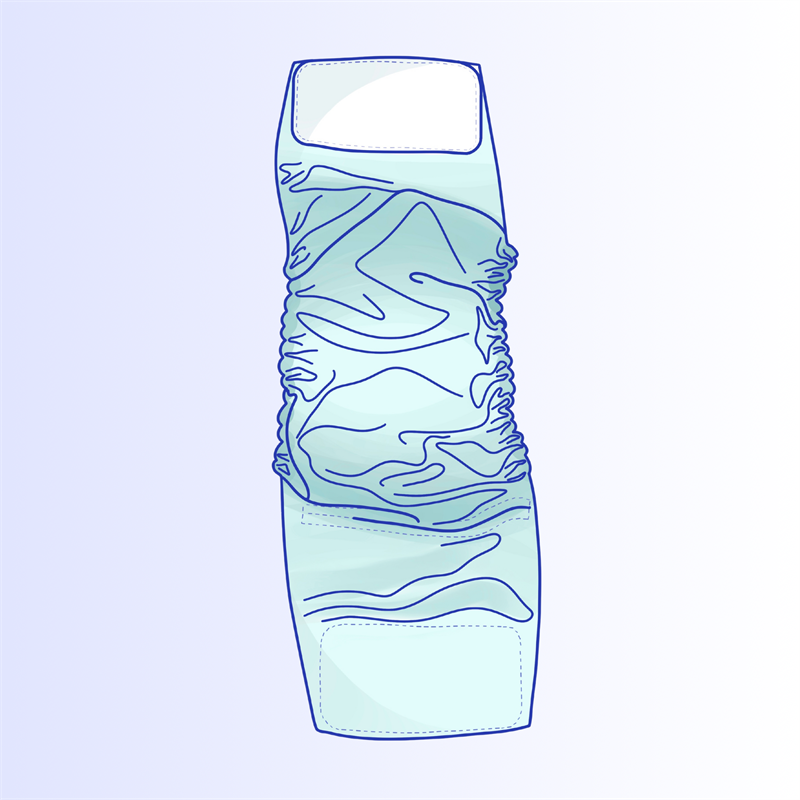
Male and female dogs possess vastly different anatomies. This biological reality dictates product structure. Male dog belly bands feature a wrap-around design targeting the midsection exclusively. They encircle the waist to cover the male anatomy, leaving the hindquarters entirely exposed.
Best For: These bands excel at managing male marking behaviors inside the house. They also provide excellent protection against excitable urination and general male urinary incontinence. Because they leave the rear end free, dogs can still defecate normally outside without removing the band.
Limitations: The primary limitation is obvious: belly bands do not contain fecal matter. Furthermore, they require precise tightness. Fastening them too loosely allows them to slip backward, defeating their purpose. Fastening them too tightly restricts normal breathing and causes abdominal discomfort.
Female anatomy necessitates a different approach. Female dog diapers utilize a traditional shape resembling infant wear. They incorporate a dedicated tail hole and provide full rear coverage.
Best For: This full-coverage structure proves essential for females in heat, capturing bloody discharge effectively. They also manage female urinary incontinence. Additionally, they serve as the only viable option for dual incontinence (both fecal and urinary) in both sexes.
Limitations: The tail hole represents the most common failure point for leakage. If the hole sizing does not properly match the breed's tail thickness, urine and feces easily escape through the gaps. Managing this requires careful brand selection and sometimes minor sewing adjustments.
When urgency strikes, disposable dog diapers offer unmatched convenience. They prioritize zero-maintenance sanitation. You simply use the product until soiled and discard it directly into the trash.
Travel Convenience: They are ideal for road trips or hotel stays where accessing a washing machine is impossible.
Medical Recovery: They serve brilliantly during temporary post-surgical recovery or acute short-term illnesses requiring brief containment.
Saturation Visibility: Many premium brands feature integrated wetness indicators. These color-changing strips provide immediate visual confirmation of saturation, prompting timely changes.
Despite their convenience, single-use solutions harbor significant downsides. The primary issue involves the compounding financial cost over a dog's lifespan. Spending money on daily throw-away items drains your wallet rapidly if your pet requires permanent management.
Additionally, their environmental footprint remains massive. Contributing non-biodegradable plastics and gels to landfills daily presents an ethical dilemma for eco-conscious owners. Finally, these paper-based garments exhibit much lower durability against chewing, scratching, or rubbing against furniture.
You should view disposables as a short-term intervention. They function perfectly as a temporary bridge during illnesses. They also act as an excellent sizing test-run before investing heavily in permanent, higher-quality solutions.
For lifelong management, reusable dog diapers dominate the market regarding return on investment. Once you surpass the initial setup phase, the recurring costs plummet to nearly zero.
Cost Savings: They generate substantial financial savings for chronic conditions like senior incontinence or recurring heat cycles.
Superior Durability: These garments utilize robust, fur-friendly velcro and reinforced stitching. They withstand daily washing and aggressive canine movement.
Comfortable Materials: Manufacturers often use softer, breathable fabrics. These premium textiles reduce painful friction against the dog's delicate belly skin.
Transitioning to cloth requires upfront capital. You face a higher initial purchase price per unit. Furthermore, you cannot buy just one. You must purchase multiples (usually three to five) to allow for a practical laundry rotation.
They also necessitate a rigorous washing routine. Handling soiled cloth demands commitment. Washable dog diapers require specific enzyme cleaners to break down biological odors permanently. You must also avoid fabric softeners completely, as they coat the microfibers and severely degrade the garment's absorbency over time.
Cloth options remain the optimal choice for long-term, daily management. They reward you with better fit, happier dogs, and lower expenses, provided you commit to the ongoing maintenance schedule.
Purchasing the right product demands rigorous evaluation. Look past marketing jargon and analyze the physical construction of the garment.
Product Evaluation Matrix
Evaluation Feature | Why It Matters | What to Look For |
|---|---|---|
Measurement & Fit | Determines overall security and prevents catastrophic leaking. | Accurate waist measurement guides over generic breed-size charts. |
Closure Mechanisms | Ensures the garment stays on without harming the dog. | Fur-resistant velcro hooks or multi-point adjustable snaps. |
Absorbency Core | Captures and locks away high volumes of fluid quickly. | Multi-layer microfiber cores with high fluid retention capacity. |
Leak-Proof Edges | Stops urine from escaping down the dog's inner thighs. | Thick, elasticized gussets acting as physical fluid barriers. |
Never rely solely on breed-size charts. A French Bulldog and a Whippet might share the same weight, but their body shapes differ radically. You must take accurate measurements using a soft tailor's tape. Measure the waist just in front of the hind legs. Factor in minor weight fluctuations. Choose brands offering adjustable elastic bands granting high fit tolerances.
Evaluate fastener types carefully. Standard velcro often catches long hair, causing painful pulling during removal. Look for modern fur-resistant hooks or adjustable snap buttons. These ensure a secure hold without causing pain or ripping out fur.
Fluid dynamics play a huge role in product failure. Look for multi-layer microfiber cores designed to trap liquid rapidly. Additionally, elasticized gussets around the leg openings are non-negotiable. Without these gathered edges, capillary action draws urine outward, soaking your carpets.
Trapping moisture against skin breeds bacteria. Assess the breathability of the materials used. High-quality moisture-wicking inner liners pull urine away from the skin, storing it deeper in the core. This action plays a critical role in preventing urine scald (diaper rash) and dangerous bacterial skin infections.
A perfectly chosen product fails instantly if it will not stay on. Address the common reality of dogs escaping their garments. Energetic dogs easily rub against furniture to slide the fabric down their hips. To secure the fit, introduce structural hacks. Canine suspenders clip onto the waistband and wrap securely over the dog's shoulders. Alternatively, utilizing standard infant onesies over the garment keeps everything tightly locked in place.
Poor hygiene practices create severe medical emergencies. Establish strict baseline protocols for change frequency. Leaving a saturated pad against the abdomen creates a breeding ground for bacteria. This oversight directly leads to urine scald, skin necrosis, and painful ascending urinary tract infections. You must treat soiled garments with the same urgency you would treat a human infant's needs.
Dogs rarely accept wearing foreign garments immediately. You need proactive strategies for introducing the fabric to a resistant dog.
Neutral Introduction: Place the clean product on the floor. Let the dog sniff it freely and reward them with a high-value treat.
Micro-Wear Intervals: Fasten the garment loosely for just two minutes before meals. The food acts as a powerful positive distraction.
Gradual Extension: Slowly increase the wear time by five-minute increments over several days.
Positive Reinforcement: Offer intense praise and play whenever the dog ignores the garment. Never punish them for trying to remove it initially.
Successfully managing pet incontinence requires a structured decision framework. You must precisely match the anatomical need to the duration of the problem. Use a belly band for male urinary issues and a full-coverage garment for females or fecal containment. Leverage single-use products for acute, temporary illnesses. Transition to washable options for chronic, long-term conditions to protect your wallet and the environment.
We recommend a low-risk next step to begin your journey. Purchase a small pack of disposable options first. Use them to confirm your waist measurements, test tail hole fit, and gauge your dog's behavioral acceptance. Once you verify the sizing and acclimate your pet to the routine, confidently scale up your strategy by purchasing a multi-pack of high-quality washable garments.
A: You must change it immediately upon noticing saturation. For dogs with constant dribbling issues, aim for a minimum of every three to four hours. Leaving wet material against the skin rapidly causes urine scald and severe bacterial infections. Always keep the skin dry and clean between changes.
A: Yes, if they wear a full-coverage design. However, male belly bands only cover the urinary tract, leaving the rear exposed for normal defecation. Pooping in a full-coverage garment creates significant hygiene risks, requiring immediate removal and thorough bathing to prevent fecal matter from causing infections.
A: First, verify the fit is neither too tight nor too loose, as discomfort drives removal attempts. You can utilize specialized canine suspenders that clip to the waistband. Additionally, placing a properly sized infant onesie over the garment physically prevents the dog from reaching the closures.
A: Start with a cold water rinse to flush out heavy soiling. Wash them using a high-quality enzyme detergent designed to break down biological proteins and eliminate lingering urine odors. Always air-dry them or use a low-heat setting, and strictly avoid fabric softeners which destroy the core's absorbency.