- All
- Product Name
- Product Keyword
- Product Model
- Product Summary
- Product Description
- Multi Field Search
English

Author: Site Editor Publish Time: 2025-08-02 Origin: Site
Dog diapers are no longer a niche pet product. More families now use them for senior dogs, female dogs in heat, puppies in training, dogs recovering from surgery, and pets with urinary control problems. The practical question is not only whether a dog diaper works. It is whether the product is comfortable, washable, secure, and suitable for repeated daily use.
washable diapers for dogs offer a reusable way to manage common hygiene problems while reducing the need for constant disposable products. They can help protect floors, bedding, sofas, car seats, and pet owners’ daily routines. For retailers and pet brands, they also create a product category with clear repeat demand and room for size, fit, absorbency, and private-label customization.
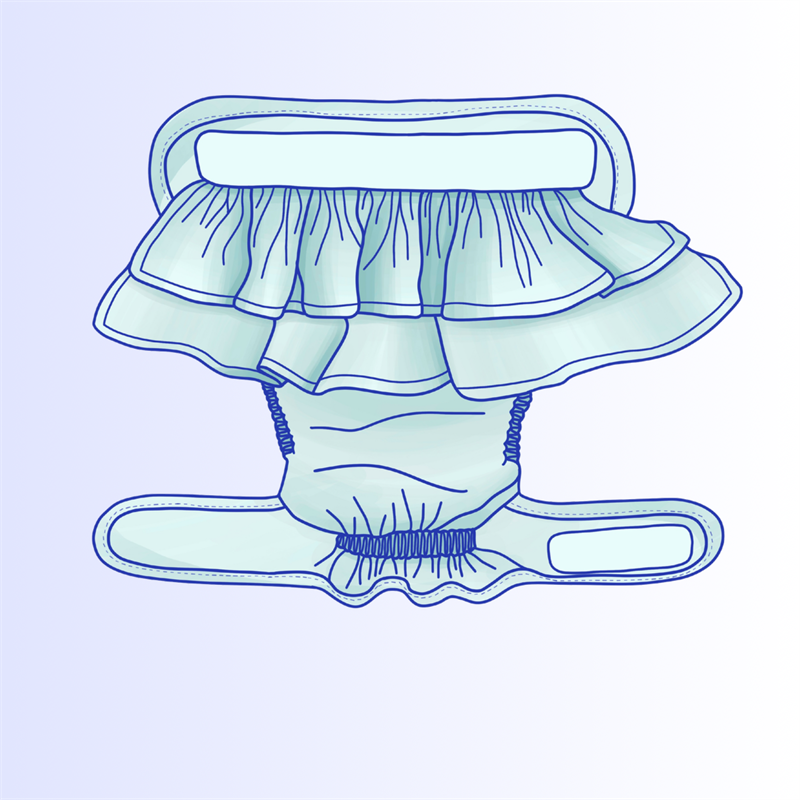
Washable dog diapers help manage urine, spotting, marking, light incontinence, heat cycles, and some recovery situations. They are not a replacement for veterinary care. If a dog suddenly loses bladder control, strains to urinate, shows pain, or changes behavior, a veterinarian should be involved. The diaper manages mess. It does not diagnose the cause.
Used correctly, though, washable diapers can make daily life much easier. A senior dog may still enjoy sleeping on the sofa without causing stress for the owner. A female dog in heat can move around the home without leaving spots on bedding. A puppy who is still learning can have backup during short periods indoors. A dog recovering from a minor procedure can avoid licking or staining certain areas, depending on the garment style and veterinary advice.
For product buyers, these use cases matter because they require different design decisions. A diaper for a female dog in heat may not be shaped the same as a male belly band. A puppy product may need smaller sizes and soft edges. A senior dog product may need higher absorbency and easier fastening.
Female dog heat cycles.
Senior dog urinary leakage.
Excitement urination or light accidents.
House training support for puppies.
Travel, hotel, or car seat protection.
Post-surgery or temporary hygiene management, when suitable.
Indoor marking control for some male dogs.
Each use case needs honest guidance. A diaper should be changed often. It should fit well. The dog’s skin should be checked. Long wear without monitoring can cause odor, rubbing, or irritation. Good product education protects both the pet and the brand.
Disposable dog diapers are convenient, especially for travel or emergency use. Yet many pet owners dislike the ongoing cost and waste. Dogs with chronic needs may use several diapers a day. Over weeks or months, that becomes expensive. Washable diapers reduce that long-term burden because they can be cleaned and reused.
Washable products also give owners more control over fit and comfort. Many reusable designs use fabric, elastic, hook-and-loop closures, snaps, or adjustable tabs. When the sizing is right, the diaper can move with the dog and stay in place better during walking, resting, and climbing stairs.
For eco-conscious shoppers, the reusable factor is important. Pet care already creates many disposable waste streams. A washable diaper will not eliminate every cost or every cleaning task, but it can reduce the number of single-use products a household throws away.
| Factor | Washable Dog Diapers | Disposable Dog Diapers |
|---|---|---|
| Long-term cost | Lower over repeated use | Higher with frequent replacement |
| Waste | Reduced single-use waste | More daily waste |
| Convenience | Requires washing and drying | Easy to discard after use |
| Fit options | Often adjustable and fabric-based | Depends on brand and size range |
| Best use | Daily or long-term management | Travel, emergency, short-term use |
The better choice depends on the dog and the owner’s routine. Many households use both: washable diapers at home and disposable backups for travel. Product pages can explain this without pushing one option unrealistically.
A washable dog diaper must stay secure without making the dog uncomfortable. That balance can be tricky. Dogs have different body shapes, tail positions, waist sizes, fur types, and movement patterns. A diaper that fits one breed well may slip on another.
Good fit starts with measurement. Owners should measure the dog’s waist or belly area according to the product style. They should also consider weight, body length, tail opening, and whether the dog is male or female. For male dogs who mark indoors, a belly band may be more suitable. For female dogs in heat or dogs needing rear coverage, a full diaper style may be better.
Comfort depends on soft edges, flexible fabric, correct absorbent placement, and breathable construction. If the diaper rubs the legs or belly, the dog may try to remove it. If it is too loose, leaks happen. If it is too tight, it can affect movement and skin health.
The diaper slides off when the dog walks.
Red marks appear around the waist or legs.
The tail opening pulls or gaps too much.
Leaks happen even when the diaper is changed often.
The dog freezes, scratches, or bites at the garment.
The closure sticks to fur or irritates skin.
Retailers can help customers by providing size charts, measurement photos, and fit notes for different dog shapes. Clear guidance reduces returns and improves reviews.
Washable dog diapers usually combine an inner layer, absorbent core, waterproof or water-resistant outer layer, and adjustable closure system. The inner layer should feel soft against the dog’s skin. The absorbent layer should catch urine or spotting. The outer layer should help prevent moisture from reaching furniture, flooring, or bedding.
Some designs use cotton or bamboo blends for softness. Others use microfiber inserts for absorbency. Waterproof barriers may use PUL or TPU-style materials. Elastic helps the diaper sit around the body, but it must not dig into the skin. Hook-and-loop closures are easy to adjust, but they should be positioned to reduce fur snagging.
For B2B buyers, material testing is essential. A sample should be checked after repeated washing. Does the waterproof layer crack? Does the absorbent layer bunch? Does the closure lose grip? Does the color fade? Does the fabric hold odor? These are the questions that decide whether customers reorder.
| Feature | Why It Matters | Testing Focus |
|---|---|---|
| Soft inner fabric | Improves wear comfort | Skin feel after washing |
| Absorbent core | Controls urine and spotting | Capacity and drying speed |
| Waterproof layer | Protects surfaces from leaks | Seams and fabric performance |
| Adjustable closure | Supports different dog shapes | Grip strength and fur contact |
| Elastic edges | Improves fit around the body | Stretch recovery and comfort |
A washable diaper is a high-contact product. It touches the dog’s body for long periods, so soft construction matters as much as leak protection.
Senior dogs often face mobility changes, weaker bladder control, or medical conditions that create accidents. Owners may feel frustrated, then guilty for feeling frustrated. A washable diaper can reduce stress and help the dog stay included in family life.
For older dogs, comfort matters even more. They may have sensitive skin, arthritis, or difficulty standing during changes. A diaper should be easy to put on and remove. It should not require awkward leg lifting. Owners should change it regularly and clean the skin to prevent irritation.
Washable diapers also help protect bedding. Many senior dogs have favorite resting places. Without protection, owners may restrict access to carpets, couches, or bedrooms. With a good diaper routine, the dog may keep more freedom.
Change the diaper often, especially after urination.
Check the skin for redness or rubbing.
Keep fur trimmed if it traps moisture.
Use enough diapers to allow proper washing and drying.
Ask a veterinarian about sudden incontinence or discomfort.
Choose a design that is easy to fasten on a tired or stiff dog.
Owners should remember that a diaper is part of care, not the whole care plan. Water intake, medical checks, skin cleaning, and regular outdoor breaks still matter.
Female dogs in heat can leave spotting around the home. Washable diapers help manage that mess while keeping the dog more comfortable indoors. The diaper should fit around the waist and tail without pulling. It should hold a pad or absorbent center in the right place, depending on design.
Heat-cycle use is one of the clearest reasons pet owners buy reusable diapers. A female dog may need protection for several days or longer. Disposable products can add up quickly. A small set of washable diapers gives owners a rotation: one on the dog, one in the wash, one drying, and one spare.
Product descriptions should still explain changing frequency. Even during heat, the diaper should not stay on too long. The area needs air and cleaning. Dogs should also have diaper-free time when supervised and safe.
Dog diapers can support house training, but they should not replace training. A puppy still needs outdoor breaks, praise, timing, and consistency. A diaper can protect the home during short periods, but if used all day without training, it may slow progress.
For marking behavior, especially in male dogs, owners may use belly bands. Still, behavioral causes should be addressed. Stress, new environments, other pets, and incomplete training can all affect marking. A diaper or band controls the mess while the owner works on the cause.
Retailers should avoid framing diapers as a complete behavior fix. Better wording is more practical: washable dog diapers help manage accidents and reduce cleanup during training, travel, heat cycles, or incontinence care.
Good washing habits protect both the product and the dog. Solids should be removed before washing. Urine-soaked diapers should not be left sealed for too long. A mild detergent is usually safer than harsh chemicals. Fabric softeners may reduce absorbency or coat fibers. High heat can damage waterproof layers or elastic.
Many owners need enough pieces to build a routine. If a dog uses diapers daily, two pieces are usually not enough. A practical rotation allows one to be worn, one to be washed, one to dry, and one to stay ready as backup. This is especially true for senior dogs or female dogs in heat.
Remove solids before washing.
Rinse or pre-wash heavily soiled items if needed.
Use mild detergent without fabric softener.
Wash according to the care label.
Air dry when possible to protect waterproof layers.
Store only when fully dry.
Clear washing instructions on packaging can prevent many complaints. Customers often blame leaks on the product when absorbency has been reduced by detergent residue or fabric softener.
For retailers, washable dog diapers sit at the intersection of pet care, hygiene, sustainability, and comfort. Demand can come from new puppy owners, senior dog families, owners of female dogs, shelters, groomers, and pet supply brands. The category also supports repeat purchase because customers need multiple pieces and may reorder in different sizes or styles.
For private-label brands, customization can include size ranges, fabric prints, absorbency levels, closure types, packaging, and product sets. A brand can build separate products for female dogs, male belly bands, puppies, senior dogs, or travel use.
KINGSOO’s pet diaper category gives buyers a useful product direction for washable pet hygiene solutions. The category can support OEM and wholesale opportunities where brands need reliable materials, leak-control design, and practical sizing guidance. For customers comparing washable diapers for dogs, the real value is not just reusability. It is a better daily routine for both dog and owner.
A strong washable dog diaper line usually needs more than one shape. Male dogs, female dogs, puppies, and senior dogs may need different coverage. A male belly band supports marking or urine leakage around the belly. A female diaper gives rear coverage and a tail opening. Some brands also develop unisex styles, but fit should be tested carefully before broad claims are made.
Size range is another challenge. Dogs vary more than toddlers. A small terrier, a French bulldog, a corgi, and a golden retriever may need very different proportions. Weight alone is not enough. Product pages should ask owners to measure waist or belly area and compare with the chart.
Packaging should educate quickly. Pet owners may buy during a stressful moment: a senior dog has accidents, a female dog starts heat, or a puppy keeps marking indoors. Clear instructions reduce confusion and make the product feel trustworthy.
Female dog diapers for heat cycles and rear coverage.
Male belly bands for marking and urine control.
Reusable absorbent pads or inserts.
Wet bags for carrying used washable items.
Size-specific multipacks for daily rotation.
Care cards explaining washing, drying, and skin checks.
Dog diapers should be used with care. A wet or soiled diaper should be changed promptly. The dog’s skin needs time to breathe. Owners should check for redness, odor, or rubbing. If irritation appears, the diaper routine needs adjustment and the dog may need veterinary advice.
Owners should also keep the dog clean. Wipes or gentle washing may be needed after accidents. Long fur can trap moisture, so some dogs may need trimming around the diaper area. A good fit helps, but hygiene habits matter just as much.
For brands, safety reminders are not a weakness. They show responsibility. Customers trust product pages that explain proper use instead of pretending a diaper can be worn without care.
Change the diaper after wetting or soiling.
Check skin daily during regular use.
Allow diaper-free time when safe.
Wash reusable diapers thoroughly.
Dry completely before reuse.
Contact a veterinarian for sudden incontinence.
B2B buyers should test washable dog diapers with the same seriousness used for baby care products. The product touches skin, absorbs liquid, and faces repeated washing. A small failure can become a large customer-service problem after launch.
Sample testing should include different dog shapes if possible. It should also include washing, drying, closure testing, absorbency testing, and movement testing. If the product is designed for female heat cycles, test the coverage and pad placement. If it is designed as a male belly band, test belly fit and closure position.
Packaging and instructions should be reviewed too. Customers need to know how to measure, how often to change, how to wash, and what the product can and cannot do. Clear instructions can be the difference between a satisfied customer and a return.
Many buyers do not know the correct product terms when they begin searching. They may type a question, compare several blogs, and only later decide which product category fits their need. Content that explains use cases, limitations, materials, care routines, and buying criteria helps them move from confusion to confidence.
For a manufacturer or private-label supplier, this kind of article also supports sales teams. Instead of repeating the same basic answers, the website can educate visitors before the first inquiry. That makes the conversation more specific. Buyers can ask about sizes, packaging, minimum order quantity, samples, and customization instead of asking what the product does.
Good educational content also reduces returns. When customers understand what a product is designed to do, they use it correctly. When expectations match real performance, reviews tend to be fairer and repeat orders are more likely.
Pet owners often search under stress. A dog may have started leaking urine, a puppy may be marking indoors, or a female dog may be in heat for the first time. If a product page only shows a diaper photo and a size chart, many customers still feel unsure. They need simple explanations about use cases, changing frequency, washing, and fit.
Good content should also separate medical concerns from product use. Washable dog diapers can manage mess, but sudden incontinence may signal a health problem. When a brand reminds owners to contact a veterinarian for sudden or painful symptoms, the content feels more responsible and trustworthy.
For wholesale buyers, clear education also supports customer service. Fewer people will order the wrong style if the page explains the difference between female diapers and male belly bands. Fewer people will complain about slipping if the page shows how to measure correctly. Practical guidance saves time after the sale.
They reduce long-term disposable use, support daily hygiene routines, and provide reusable protection for heat cycles, incontinence, travel, and training support.
Yes, they can help senior dogs with urinary leakage, but owners should change them often and watch for skin irritation.
Yes. They are often used to manage spotting during heat cycles, provided the size and tail opening fit correctly.
No. They help manage accidents, but puppies still need outdoor breaks, routine, praise, and consistent training.
Many owners need at least several pieces for rotation. Daily use requires enough diapers for wearing, washing, drying, and backup.
They should test sizing, absorbency, waterproof layers, closure strength, wash durability, skin comfort, packaging, and product-use instructions.
Washable dog diapers help owners manage real pet care problems with less waste and better long-term value. They can protect the home, support senior dogs, help during heat cycles, and make training or travel less stressful. The product works best when owners choose the right size, change it often, and keep the dog’s skin clean.
For retailers and pet brands, this category has strong practical value. Buyers should focus on fit, comfort, absorbency, wash durability, and clear customer education. KINGSOO’s washable pet diaper range gives brands a useful foundation for building pet hygiene products that serve both everyday families and wholesale channels.


