- All
- Product Name
- Product Keyword
- Product Model
- Product Summary
- Product Description
- Multi Field Search
English

Author: Site Editor Publish Time: 2026-04-17 Origin: Site
Can Period Underwear really replace pads or tampons without leaking? Many beginners ask that first. Period Underwear is a reusable option with built-in absorbency and leak protection. In this guide, you’ll learn how it works, when to wear it, what its limits are, and how to choose the right pair for your flow.
Period underwear is reusable underwear made to absorb menstrual flow and help prevent leaks during your period. Instead of relying on a separate disposable layer, it has built-in absorbent protection sewn into the underwear itself. Some people wear it as their main period product on lighter or moderate days, while others use it as backup alongside a tampon or menstrual cup for extra security. That built-in flexibility is one reason the category has become so popular with beginners who want a simpler place to start.
Period underwear is designed to look and feel close to regular underwear, which helps explain why many first-time users find it less intimidating than other options. Rather than learning a new insertion method or carrying multiple disposable products, users can start with something that already feels familiar in daily life.
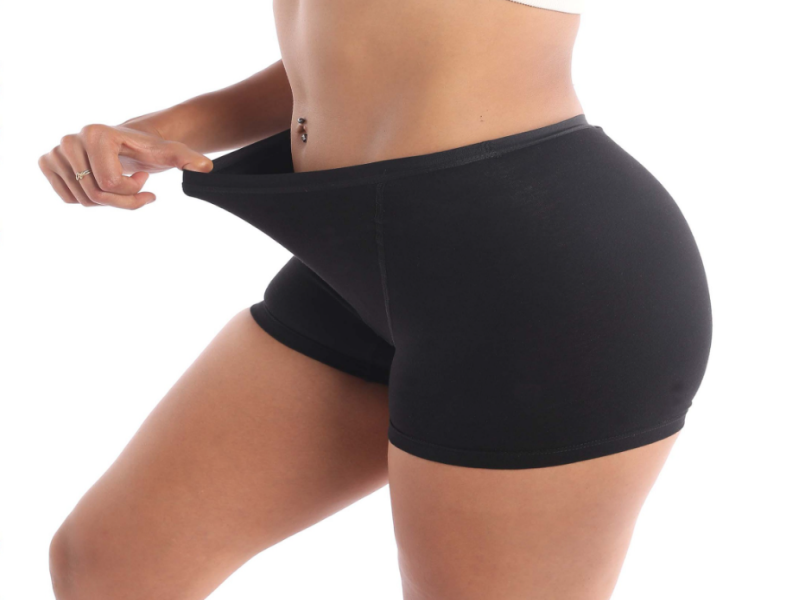
The biggest difference is performance. Regular underwear is not designed to manage menstrual flow, while period underwear is built with multiple functional layers that help move moisture away from the body, absorb fluid, and reduce the chance of leaks. Even so, modern styles are usually made to stay discreet rather than bulky, so the experience feels familiar rather than medical or awkward.
Feature | Period Underwear | Regular Underwear |
Core purpose | Absorbs menstrual flow and helps prevent leaks | Provides everyday coverage only |
Inner construction | Includes built-in absorbent and protective layers | No period-specific protective design |
How it is used | Can be worn alone or as backup during a period | Not intended for menstrual protection |
For many new users, the appeal is practical rather than trendy. Period underwear is easy to understand because it fits into a routine people already know: you put it on like normal underwear and go about your day. That familiarity can make periods feel less complicated, especially for teens, first-period users, or anyone who does not want to use an insertable product.
● It feels closer to a normal underwear routine than using a new device or technique.
● It can offer extra confidence overnight or during long school and work days.
● It suits people who want a washable, reusable option instead of single-use products.
Another reason beginners are drawn to period underwear is that it lowers the barrier to trying something new. You do not need much setup, and you do not need to master insertion or removal. For someone just learning what works for their flow and lifestyle, that ease can matter as much as absorbency.
Period underwear works through a built-in fabric system designed to manage menstrual flow in stages rather than letting moisture sit against the skin. Most styles use a top layer that pulls fluid away from the body, helping the surface feel drier for longer. Beneath that is an absorbent middle layer, which is where menstrual fluid is collected and held. A final outer layer adds leak resistance, creating a barrier between the absorbed flow and your clothes, sheets, or other fabrics.
What matters for beginners is that these layers are usually built into the gusset area, so the underwear does not feel like a separate pad has been attached. In practical use, the goal is not just absorption but also comfort: moving moisture away from the skin, keeping the absorbent core contained, and lowering the chance of visible leaks during daily wear or overnight use. Although materials and exact construction vary, the overall idea stays the same across most period underwear designs.
Absorbency is not the same in every pair. Some styles are intended for light flow, spotting, or the beginning and end of a period, while others are built for moderate or heavier days. That is why a beginner should not treat all period underwear as interchangeable. A thinner pair that works well on a light day may not give enough protection when flow is heavier, especially if you will be away from home for hours.
Absorbency level | Best suited for | Typical use case |
Light | Spotting, very light flow, cycle start or end | Worn alone on low-flow days |
Moderate | Average daytime flow | Often worn alone for daily use |
Heavy | Heavier days or overnight wear | Used alone if matched well to flow, or paired with backup for extra security |
There is no single wear-time rule that fits everyone, because how long period underwear lasts depends on several factors working together. Absorbency level matters, but so does the heaviness of your flow, the stage of your cycle, and even what your day looks like. A person with a light flow may wear the same pair comfortably for much longer than someone on a heavy-flow day, especially if that day includes commuting, classes, or long stretches without a chance to change.
For beginners, the most realistic approach is to treat the first few cycles as a learning period. Over time, users start to notice patterns: which pair works overnight, which one feels best on lighter days, and when they usually need a change. This is more useful than following a rigid number alone, because real-life wear time is personal rather than fixed.
Yes, period underwear can work well for leak protection when the absorbency, fit, and timing match the wearer’s needs. That said, successful leak protection is not just about the product itself. It also depends on whether the pair is appropriate for that specific day’s flow and whether it fits closely enough to stay secure in motion.
Leaks are more likely in a few predictable situations:
● the underwear is already too saturated to absorb more fluid
● the absorbency level is too low for that point in the cycle
● the fit is too loose, causing shifting or gaps
● the wearer waits too long to change on a heavier day
For most beginners, leak protection becomes much more dependable once they match the right pair to the right day instead of expecting one style to handle every situation.
For many people, period underwear can replace pads or tampons in the right situations, but the key phrase is in the right situations. It often works best as a standalone option on light to medium flow days, when the absorbency of the pair matches what your body actually needs. That makes it especially useful at the beginning or end of a period, when flow is lighter and many people want protection without using a full disposable product.
Another common standalone use is overnight wear. Many beginners are drawn to period underwear because it can feel more secure and more comfortable for sleep than products that shift, bunch, or feel intrusive. When the pair is designed for the right absorbency and fits well, it can offer enough coverage for lying down, changing positions, and getting through the night with less worry about stains.
Use period underwear alone when... | Use it as backup when... |
your flow is light or moderate | your flow is heavy or unpredictable |
you are at the start or end of your period | you will be away from home for many hours |
you want an easy option for spotting | you want extra protection with a tampon or menstrual cup |
you are using a pair suited for overnight absorbency | you are not sure one pair will last through the day |
Even though period underwear can be worn on its own, it is not always the best single solution for every day of a cycle. On heavier-flow days, many people feel more confident using it as backup rather than relying on one pair alone. This is especially true when flow is strongest during the first day or two, or when a person will not have an easy chance to change during work, school, commuting, or travel. In those situations, period underwear adds a layer of protection that can reduce stress if a tampon or menstrual cup leaks slightly or needs changing later than expected.
Backup use also makes sense for beginners who are still learning their cycle. Flow is not always predictable from month to month, and the same person may need different levels of protection on different days. Wearing period underwear with another product can make the transition easier because it lowers the pressure to get everything exactly right on the first try.
One of the most useful beginner skills is learning when a pair has reached its limit. Period underwear usually gives some warning before it stops feeling reliable. A pair may start to feel heavier, slightly damper, or less comfortable than it did earlier in the day. Another practical sign is that fluid seems to sit on the surface longer instead of absorbing quickly. Just as important is the user’s own sense of trust: if you start wondering whether the pair can handle the next few hours, that is often a sign it is time to change.
Choosing period underwear starts with being realistic about your cycle, not optimistic about your lightest day. Many beginners make the mistake of buying based on their easiest flow day, only to find that the same pair does not feel secure when their period is heavier or when they need protection for longer hours. The best choice depends on how and when you plan to wear the pair, not just on the product category itself.
Intended use | What to prioritize |
Daytime wear | Balanced absorbency, comfort, and flexibility for movement |
Overnight wear | Higher absorbency and wider coverage for longer wear |
Backup protection | A dependable fit and enough absorbency to catch leaks from another product |
Absorbency gets most of the attention, but fit has a direct impact on performance. A pair that fits well stays close to the body, which helps the protective layers do their job where they are needed most. If the underwear is too loose, it may shift during daily movement and create gaps that reduce protection. If it is too tight, it can feel restrictive and become uncomfortable during long wear, especially on days when the body already feels bloated or sensitive.
There is no single number that works for everyone, because the right amount depends on routine more than theory. Cycle length matters, but so do laundry habits and whether period underwear will be your main method or just part of your routine. A beginner who wants to wear period underwear only for sleep or lighter days may need far fewer pairs than someone planning to rely on it throughout an entire cycle. It is usually more practical to think in terms of building a small, workable rotation than trying to buy the “perfect number” all at once.
Proper care matters because performance depends on the condition of the absorbent fabric. Most care routines follow the same basic principle: clean gently and avoid anything that may interfere with absorbency over time.
● Rinse used pairs in cool water before washing.
● Wash on a gentle cycle with mild detergent.
● Skip bleach and fabric softener, which may damage performance layers.
● Dry according to care instructions, with air drying often being the safest choice.
Good care does more than keep period underwear clean. It helps preserve absorbency, comfort, and long-term value, which is especially important for beginners who want their first few pairs to remain reliable as they figure out what works best for their cycle.
Period underwear can be a comfortable, beginner-friendly choice when matched to your flow and routine. Once you understand how it absorbs, protects, and when to change it, choosing becomes much easier. KINGSOO offers period underwear designed for everyday comfort, reliable protection, and practical value for modern users.
A: Period Underwear is reusable underwear with absorbent, moisture-managing, and leak-resistant layers for menstrual protection.
A: Period Underwear pulls fluid from the skin, stores it in absorbent layers, and reduces leakage when fit and absorbency match flow.
A: Period Underwear works alone for light-to-moderate flow and as backup on heavy days or during long shifts.


