- All
- Product Name
- Product Keyword
- Product Model
- Product Summary
- Product Description
- Multi Field Search
English

Public pools and commercial swim schools enforce strict rules about infant swimwear for a very specific reason. Waterborne hygiene remains a critical public safety issue. Unprepared swimmers can accidentally force entire facilities to shut down for hours. Unfortunately, many parents misunderstand how these specialized aquatic garments actually work. This confusion frequently leads to awkward leaks, ruined family pool days, or getting turned away from formal swim classes right at the entrance.
Whether you are navigating strict public facility guidelines or deciding between disposable and reusable options, this guide provides the answers. We share evidence-based steps to ensure your baby experiences a compliant, sanitary, and stress-free aquatic adventure. You will discover the mechanical differences in product types, how to achieve the perfect physical fit, and exactly what health authorities expect from you at the water's edge. By mastering these basics, you protect both your child and the broader community from avoidable health hazards.
Purpose over absorption: Swim diapers are designed exclusively to contain solid waste, not to absorb urine.
Compliance matters: Most commercial swim schools require a "double diaper" system (disposable under a reusable cover).
Fit is the primary feature: A successful pool-day swim diaper must have tight, gap-free seals around the waist and thighs.
Safety first: Swim diapers do not guarantee 100% protection against pathogens; frequent checks and bathroom breaks are required by health authorities.
Parents often expect aquatic garments to perform like standard daytime protection. They quickly discover a harsh and messy reality. We must break down the core mechanical differences to prevent pool deck disasters.
Standard disposable options contain superabsorbent polymers (SAP). These chemical crystals swell rapidly when submerged in any liquid. If you put a regular nappy in a pool, it becomes a massive, heavy balloon in mere seconds. It drags the small child down and creates a genuine physical hazard. A specialized Swim Diaper completely lacks these swelling polymers. It relies entirely on physical structural containment rather than chemical liquid absorption. This "no-swell" mechanism keeps your child buoyant, balanced, and comfortable while navigating the water.
Let us clarify the top misconception floating around parenting circles. These aquatic garments do not hold pee. Their sole structural purpose is trapping solid feces. They give you just enough time to remove your child from the water safely. Urine passes right through the specialized mesh material. This is completely normal. Manufacturers design them this way intentionally. Attempting to trap liquid underwater defies basic physics.
Many parents see a wet car seat and incorrectly assume the product failed. A true product failure only happens when solid waste escapes the leg gussets. If urine passes through, the garment is operating exactly as engineered. You must manage your expectations before heading out. Understanding this critical distinction prevents unnecessary frustration during your weekend outings and keeps your focus on actual hygiene safety.
You have two primary paths for aquatic protection. Both categories serve specific lifestyles and use cases. We evaluate them below so you can choose the best fit for your family's recreational habits.
The Convenience Route: Disposables
Single-use items offer a highly accessible entry point. They are best for occasional swimmers, tropical vacations, and quick tear-away removal when soiled. You simply rip the sides, wrap the mess, and toss it away. However, limitations exist. They leave a noticeable environmental footprint due to constant disposal. Their thin paper elastic seals often feel flimsy compared to robust cloth alternatives. Active toddlers can easily stretch these paper bands, compromising the protective seal over a long afternoon.
The Sustainable and High-Security Route: Reusables
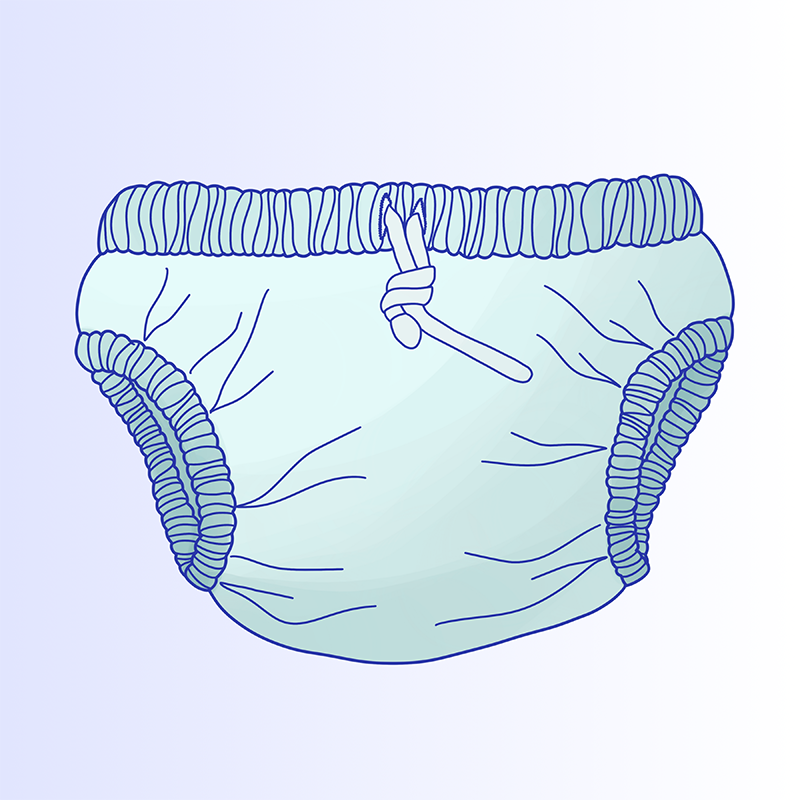
Cloth options represent the premium standard for aquatic safety. They are best for regular swim lessons, frequent beachgoers, and strict facility compliance. A high-quality reusable pool diaper provides unmatched structural security. Key features include adjustable snaps for a scalable fit. These front-facing snaps accommodate your baby's growth over several months. You also get built-in UPF sun protection and high-grade, durable elastic gussets.
Material choice matters heavily. Look for quick-dry swim pants featuring breathable mesh linings. These inner linings prevent painful chafing on wet, sensitive skin. The outer layer usually consists of a waterproof Polyurethane Laminate (PUL), which acts as a sturdy final barrier against leaks.
Aquatic Garment Comparison Matrix
Feature | Disposable Option | Reusable Option |
|---|---|---|
Primary Benefit | Ultimate convenience and tear-away disposal | Superior physical seal and environmental sustainability |
Ideal User Profile | Occasional vacationers | Weekly swim school attendees |
Seal Integrity | Moderate (paper-based elastic stretches out) | Excellent (thick fabric encased elastic) |
Environmental Impact | High waste generation | Low waste generation |
Aquatic facilities view baby swimwear through a strict risk management lens. A single protective layer frequently shifts during active kicking or crawling on the pool steps. One loose leg opening can contaminate an entire commercial pool. This forces expensive chemical shocks, draining procedures, and sudden facility closures. Swim schools mandate a layered approach to prevent this operational nightmare.
You must master the industry-standard implementation steps. Follow this exact sequence for full compliance at rigorous facilities:
Apply the Base Layer: Secure a snug disposable layer directly against your child's bare skin. Ensure it sits evenly around the hips.
Add the Outer Layer: Pull form-fitting baby swimming pants over the paper base. Pull it up high enough to cover the back waistband.
Tuck the Edges: Ensure no paper edges or fringes peek out from the outer fabric shell. Exposed paper acts as a wick and degrades rapidly in the chlorine.
You must conduct a physical fit test before entering the water. Slide one single finger between the elastic band and your baby's upper thigh. It should feel quite snug and offer immediate resistance. If you can easily slide two fingers into the gap, the fit is far too loose. A visible gap means it instantly fails the facility safety check.
Common Mistake: Parents often buy a larger size hoping the child will grow into it over the summer. This guarantees a leak. Always prioritize a hyper-accurate, skin-tight fit today over potential growth tomorrow.
Proper execution determines your success at the pool. We break down the exact protocol for handling a pool-day swim diaper from start to finish. Preparation and quick reflexes keep the water sanitary.
Pre-Swim Prep
Put the garment on right before stepping onto the pool deck. Never put it on at home for the car ride. Remember, urine flows straight through the mesh structure. You will arrive at the recreation center with a completely soaked car seat. Dress your baby in their normal daytime gear for the commute and switch at the locker room.
Mid-Swim Checks
Adopt the strict 60-minute rule. Remove your baby from the water hourly. Check for soiled garments in a designated restroom or locker room. Never check or change babies directly on the pool deck or lounge chairs. Public health codes prohibit poolside changing to prevent surface contamination.
Handling a "Code Brown" (Removal Protocol)
When an accident happens, remain calm and move swiftly to the locker room.
Disposables: Rip the tear-away side seams completely open. Pull the front and back panels straight down. Do not drag the waste down the child's legs. Wipe them clean, wrap the mess securely, and place it in a designated waste bin.
Reusables: Roll the elastic waistband down carefully. Knock any solid waste directly into a toilet bowl. Rinse the fabric with cold water in the utility sink. Store the wet item in a sealed waterproof wet bag until you return home for proper laundry processing.
Waterborne illness remains a serious public health concern worldwide. Official health organizations like the CDC highlight specific risks regarding shared recreational water. You must understand the limitations of protective barriers.
The pathogen reality is sobering. Microscopic pathogens like Cryptosporidium and Giardia survive in highly chlorinated water for days. These garments do not completely stop microscopic pathogens from seeping into the water if a diarrheal incident occurs. They only trap the bulk solids. No commercial garment guarantees 100% bacterial isolation. This is why vigilance matters.
Establish a strict "No Swim" rule for your family. If a child has experienced diarrhea within the last 48 hours, they absolutely cannot enter the water. This hard boundary applies regardless of the protective layers used. Public safety outweighs a fun afternoon. You must protect the broader community from highly contagious gastrointestinal bugs.
Skin care demands equal attention. Pool chemicals and trapped moisture severely irritate delicate infant skin. Rinse your child thoroughly with fresh tap water immediately after removing their wet gear. This simple step flushes away residual chemicals and prevents severe chlorine or saltwater rashes. Pat the skin completely dry with a towel before putting on their standard daytime protection for the ride home. Applying a thin barrier cream after drying further protects their skin barrier.
Choosing the optimal aquatic protection hinges on understanding your family's swimming frequency. It also requires strict adherence to local facility rules and prioritizing a hyper-accurate, skin-tight fit. Knowing the mechanical limits of these garments empowers you to make safer choices. You now understand how to handle accidents properly and respect community health guidelines.
Take these actionable steps before your next water adventure:
Call your local swim school today to confirm their specific double-layer policy.
Purchase one pack of disposable inserts alongside a single reusable outer shell to practice the layering technique.
Conduct a dry-fit test at home to verify the crucial thigh seals before packing your beach bag.
A: No. A regular diaper will immediately absorb pool water. It swells to a massive size in seconds. This heavy bulk causes the outer protective layer to sag or fall off completely. It creates a severe physical drowning hazard and completely defeats the purpose of specialized aquatic swimwear.
A: They must fit snugly enough to leave a light red mark, similar to a secure sock. However, they should not cause deep indentations or restrict blood circulation. Loose leg gaps remain the primary cause of embarrassing and dangerous pool leaks. Always size down if unsure.
A: While some parents attempt this trick, professionals highly discourage it. Chlorinated water rapidly degrades the structural integrity of the paper and elastic bands. You cannot rely on a washed disposable for reliable solid waste containment during your next visit. The risk of a leak becomes extremely high.
A: First, knock any solid waste directly into the toilet. Rinse the fabric thoroughly in cold water. Machine wash the garment on a warm, gentle cycle using an enzyme-safe detergent. Finally, air dry the item to preserve its waterproof PUL exterior and delicate elastic bands. Never use bleach.