- All
- Product Name
- Product Keyword
- Product Model
- Product Summary
- Product Description
- Multi Field Search
English

Author: Site Editor Publish Time: 2025-06-09 Origin: Site
Cloth diapers can be used for different lengths of time depending on the baby, the diaper style, the absorbent material, and whether the diaper is being used during the day or overnight. For many families, the usual daytime changing window is about two to three hours. At night, parents often need a more absorbent setup because the diaper may need to last much longer while the baby sleeps.
The real question is not simply how many hours a cloth diaper can hold liquid. A diaper also needs to keep the baby comfortable, protect the skin, prevent leaks, and remain practical for the family’s daily routine. A highly absorbent diaper may last longer, but if the fit is poor or the baby’s skin stays damp, it still needs to be changed sooner.
This guide explains the main factors that affect cloth diaper wearing time, including diaper type, fabric absorbency, inserts, nighttime use, washing habits, and warning signs that a diaper needs changing. It also offers practical suggestions for parents who want better performance from Cloth Diaper at Night without increasing the risk of leaks or diaper rash.
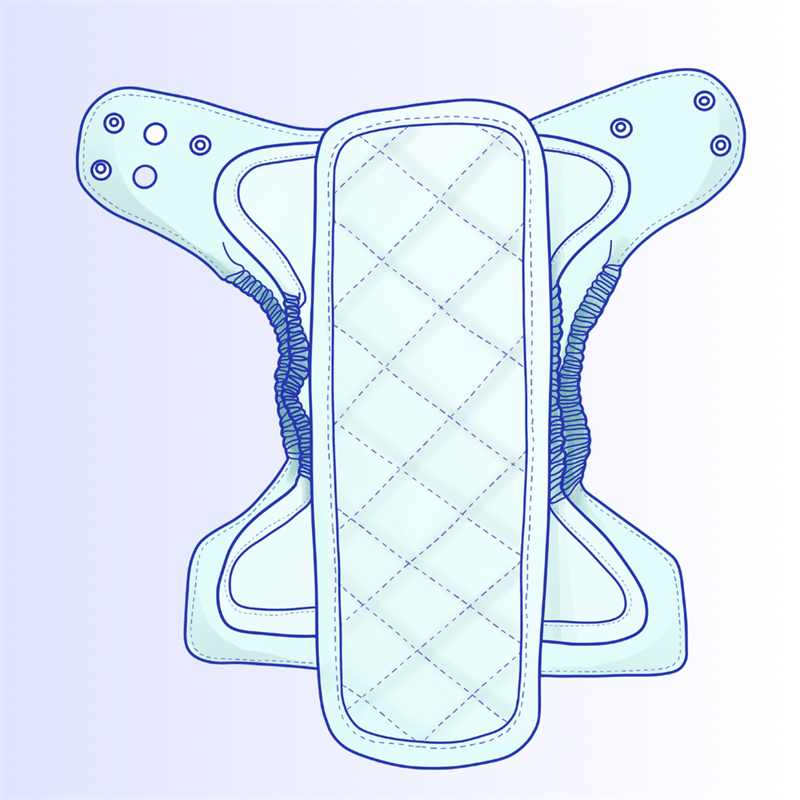
Cloth diapers are reusable diapering products made with washable fabrics and absorbent layers. Unlike disposable diapers, which are thrown away after one use, cloth diapers are washed and reused many times. This makes them attractive to parents who want to reduce household waste, lower long-term diapering costs, or choose softer materials for their baby’s skin.
However, cloth diapers require a little more planning than disposables. Parents need to understand absorbency, fit, washing routines, and changing intervals. Once these basics are clear, cloth diapering becomes much easier to manage.
Different cloth diaper styles offer different levels of convenience and absorbency. The best choice depends on your baby’s age, your budget, and how much flexibility you want.
Prefold diapers: These are rectangular absorbent cloths that are folded and used with a waterproof cover. They are affordable, durable, and easy to wash.
Fitted diapers: These look more like shaped diapers and usually have elastic around the legs and waist. They are absorbent but need a waterproof cover.
Pocket diapers: These have a pocket where inserts can be added. They are popular because parents can adjust absorbency by changing the insert combination.
All-in-one diapers: These combine the absorbent layer and waterproof outer shell in one piece. They are convenient, especially for caregivers, but may take longer to dry.
All-in-two diapers: These use a waterproof cover with snap-in or lay-in inserts. They offer a balance between convenience and faster drying.
In general, a cloth diaper should be checked every two to three hours during the day. Newborns may need changing more often, sometimes every one to two hours, because they urinate frequently and have frequent bowel movements. Older babies and toddlers may be able to wear a properly fitted cloth diaper for three hours or slightly longer during low-activity periods.
Overnight use is different. A regular daytime diaper may not be enough for a long stretch of sleep. Many parents use extra inserts, doublers, hemp, bamboo, or fitted diapers with covers to create a more absorbent nighttime setup. With the right combination, some babies can stay comfortable for a full night, but the setup must be tested carefully.
Situation | Typical Wearing Time | What Parents Should Watch For |
|---|---|---|
Newborn Daytime Use | About 1-2 hours | Frequent wetness, bowel movements, skin redness |
Older Baby Daytime Use | About 2-3 hours | Heavy diaper, leaks around legs, discomfort |
Toddler Daytime Use | About 2-4 hours depending on absorbency | Activity level, compression leaks, odor |
Nighttime Use | Longer with a dedicated night setup | Leaks, damp skin, ammonia smell, rash |
There is no single number that works for every baby. A cloth diaper that lasts three hours for one baby may leak after ninety minutes on another. The following factors make the biggest difference.
Newborns usually wet diapers often because their bladders are small and they feed frequently. As babies grow, their wetting pattern may become less frequent but heavier. This is why an older baby may not need changes as often as a newborn, but the diaper may need more absorbency when they do wet.
Parents can learn a lot by observing patterns. Some babies wet heavily after naps. Some wet more after nursing or bottle feeding. Others are light wetters during the day but very heavy wetters overnight. Adjusting the diaper setup to these patterns helps prevent leaks.
Fabric choice strongly affects how long a cloth diaper can be worn. Some materials absorb quickly, while others absorb more slowly but hold more liquid. Understanding the difference helps parents build a better diaper combination.
Material | Main Advantage | Best Use |
|---|---|---|
Cotton | Natural, easy to wash, absorbs reasonably fast | Daily use, prefolds, fitted diapers |
Bamboo | Soft feel and strong absorbency | Daytime boosters and nighttime diapering |
Hemp | High absorbency with a trim fit | Overnight use and heavy wetters |
Microfiber | Absorbs quickly | Pocket diaper inserts, usually not directly against skin |
Inserts and doublers can increase the usable time of a cloth diaper. A pocket diaper with one light insert may work for a short daytime stretch. The same diaper with a bamboo or hemp booster may last longer. For overnight use, many parents layer one fast-absorbing insert with one high-capacity insert.
The order of inserts matters too. A fast-absorbing layer on top can catch liquid quickly, while a slower but high-capacity layer below can store more liquid. This combination can reduce leaks and improve comfort.
Even the most absorbent cloth diaper can leak if the fit is wrong. Leg gaps allow liquid to escape before the absorbent layer can catch it. A waist that is too loose can cause leaks during naps or active play. A diaper that is too tight can leave marks and make the baby uncomfortable.
The diaper should sit securely without digging into the skin. Check the leg elastics after fastening. They should rest in the underwear line, not hang loosely or press too deeply.
Nighttime cloth diapering is often where parents face the most trial and error. During the day, changes are easy because the baby is awake and active. At night, most parents want fewer changes so the baby can sleep longer. This requires a diaper setup with higher capacity and better leak control.
A good nighttime setup usually includes three parts: enough absorbency, a reliable waterproof outer layer, and a comfortable fit that does not leave pressure marks. Bamboo and hemp inserts are popular for longer stretches because they can add absorbency without making the diaper too bulky.
For light wetters: A regular cloth diaper with one extra bamboo insert may be enough.
For moderate wetters: Try a fitted diaper with a waterproof cover or a pocket diaper with bamboo and hemp inserts.
For heavy wetters: Use a dedicated nighttime diaper with multiple absorbent layers, but check that the leg fit remains secure.
For babies prone to rash: Add a stay-dry liner and change immediately in the morning.
Overnight leaks usually happen for one of three reasons: not enough absorbency, poor fit, or compression. Compression leaks occur when the diaper is squeezed, often by tight pajamas, car seats, baby carriers, or sleeping positions. If the diaper is soaked in the morning, add more absorbency. If the diaper is not fully soaked but clothing is wet, check fit and compression.
The goal is to extend diaper performance safely, not to leave one diaper on for as long as possible. A cloth diaper should be changed before it becomes uncomfortable, starts leaking, or puts the baby’s skin at risk.
During the day, check the diaper every couple of hours. If it feels heavy, smells strong, or the baby seems uncomfortable, change it sooner. Some babies are sensitive to wetness and need more frequent changes even when the diaper has not reached full capacity.
Liners can make cleanup easier and help keep the baby’s skin feeling drier. Stay-dry liners are useful for babies who dislike wetness. Disposable liners can help with solid waste cleanup, though parents should follow local disposal guidance and product instructions.
A good wash routine protects absorbency. Detergent buildup, mineral deposits, and leftover residue can cause diapers to repel liquid or develop odor. Use a cloth-diaper-friendly detergent, rinse thoroughly, and avoid fabric softeners because they can coat fibers and reduce absorbency.
Parents do not need to wait for a leak to know a diaper is ready to change. The following signs usually mean it is time for a fresh diaper:
The diaper feels heavy or bulky.
The baby seems fussy or pulls at the diaper area.
Clothing or bedding feels damp.
There is a strong ammonia smell.
The skin looks red or irritated.
The diaper has been worn longer than the usual changing interval.
Leaving any diaper on too long can irritate the skin. Moisture, friction, urine, and stool can all contribute to diaper rash. Cloth diapers are breathable and reusable, but they still need timely changing.
Prolonged wetness may also create a stronger ammonia smell, especially if diapers are not washed thoroughly. If a baby frequently wakes with redness, leaks, or odor, the overnight setup may need more absorbency, better washing, or more frequent changes.
To reduce the risk of diaper rash, change diapers regularly, clean the skin gently, and allow short diaper-free periods when possible. A cloth-diaper-safe barrier cream may help protect sensitive skin, especially overnight. Always check that the cream is compatible with your diaper fabric, as some products can cause buildup.
Start with a small diaper stash before buying many of the same style.
Test different inserts to learn what works for your baby.
Keep daytime and nighttime diaper setups separate.
Do not overstuff a diaper if it creates leg gaps.
Change sooner during teething, illness, diarrhea, or rash-prone periods.
The number of hours a cloth diaper can be used depends on the baby’s age, wetting pattern, diaper type, material, insert combination, and fit. During the day, many babies need changes every two to three hours. Newborns often need changes more frequently. Overnight use requires a more absorbent and carefully fitted diaper setup.
For parents focusing on Cloth Diaper at Night, high-absorbency materials such as bamboo can make nighttime diapering easier and more comfortable. Still, the safest approach is to monitor the baby’s skin, check for leaks or odor, and adjust the diaper system as your baby grows. With the right routine, cloth diapers can be a practical, comfortable, and eco-conscious choice for everyday use.
Most babies should be checked and changed every two to three hours during the day. Newborns may need changes every one to two hours.
Yes, some cloth diaper setups can work overnight, but they usually need extra absorbency such as bamboo or hemp inserts, a reliable cover, and a good fit around the legs and waist.
Leaks before full saturation usually come from poor fit, leg gaps, compression, insert placement, or absorbency that is too slow for the baby’s wetting pattern.
Bamboo inserts are popular for nighttime because they are soft and absorbent. Many parents pair bamboo with hemp or another booster for longer overnight protection.
Strong ammonia smell may mean diapers are being worn too long, not rinsed well enough, or have detergent/mineral buildup. Review the wash routine and change diapers sooner if needed.


