- All
- Product Name
- Product Keyword
- Product Model
- Product Summary
- Product Description
- Multi Field Search
English

Author: Site Editor Publish Time: 2026-03-13 Origin: Site
Did you know that disposable diapers revolutionized parenting since their introduction? These convenient products have become a staple for many families. However, with growing environmental concerns, cloth diapers are making a comeback.
In this article, we’ll explore the history of disposable diapers and the year they first hit the market. You’ll also learn about the advantages of cloth diapers, particularly those from KINGSOO, a leader in sustainable, reusable products. Join us as we delve into the evolution of diapering solutions and what they mean for modern parents.
Before disposable diapers became mainstream, parents relied heavily on cloth and swaddling methods. Traditional cloth diapers were made from materials like linen, cotton, and flannel. These fabrics were often fastened with safety pins or rubber bands, which sometimes led to leaks and discomfort for babies.
In 1942, Pauliström, a Swedish inventor, introduced an early disposable diaper concept. This absorbent pad was designed to be used inside cloth diapers, providing a more convenient solution for parents. Although it was a step forward, true disposable diapers were still on the horizon.
The real transformation began in the mid-20th century, marked by several key innovations:
● 1946: Marion Donovan's Waterproof Diaper Cover
● Donovan created the first waterproof cover for cloth diapers, using a shower curtain material. This invention helped prevent leaks and made cloth diapering more practical.1948: Johnson & Johnson's CHUX
● Johnson & Johnson launched CHUX, the first mass-marketed disposable diaper. This product offered convenience and ease of use, quickly gaining popularity among parents.1961: Procter & Gamble's Pampers
Pampers hit the market, revolutionizing diapering with its all-in-one design. This marked the beginning of the modern disposable diaper era, as parents embraced the convenience of disposables.These innovations not only changed how parents approached diapering but also paved the way for the cloth diaper market's response. Brands like KINGSOO emerged, focusing on sustainability and offering high-quality cloth diaper solutions. KINGSOO's products, made from organic materials, provide an eco-friendly alternative to disposables, appealing to environmentally conscious consumers.
Year | Innovation | Description |
1942 | Pauliström's Absorbent Pad | Early concept for disposable use in cloth diapers. |
1946 | Marion Donovan's Waterproof Cover | First waterproof cover, reducing leaks. |
1948 | CHUX by Johnson & Johnson | First mass-marketed disposable diaper. |
1961 | Pampers by Procter & Gamble | Introduction of modern disposable diapers. |
As we can see, each milestone built upon the last, leading to a shift in consumer preferences. While disposable diapers gained traction, cloth diapers remained relevant, thanks to innovations that improved their usability and appeal.
The evolution of diapering methods highlights the balance between convenience and sustainability. As disposable options became more popular, the cloth diaper market adapted, offering modern solutions that cater to today's eco-conscious parents. Brands like KINGSOO continue to innovate, ensuring that cloth diapers are not only practical but also stylish and effective.
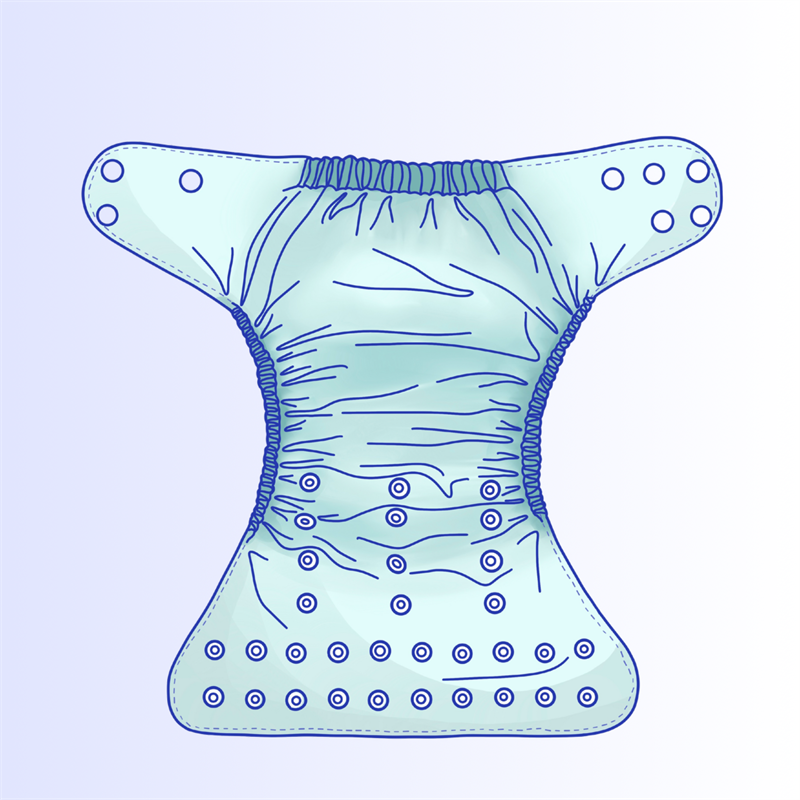
The 1970s and 1980s marked a significant shift in diapering choices for parents. Disposable diapers gained immense popularity during this time, changing the landscape of baby care. Here are some key statistics:
● 1970s: Disposable diaper usage soared, with American babies using approximately 350,000 tons of disposables annually. This accounted for about 0.3% of municipal waste.
● 1980s: By the end of the decade, that number jumped to 1.93 million tons, making up around 1.4% of municipal waste.
This rapid increase in disposable diaper adoption came at the expense of cloth diapers. Parents were drawn to the convenience and ease of disposables, which required no washing or folding. The shift in consumer preferences was clear—many families began to favor disposables over traditional cloth options.
In contrast, cloth diaper usage declined as disposable products became more accessible. Despite their eco-friendly benefits, cloth diapers struggled to compete against the convenience of disposables. However, brands like KINGSOO began to innovate in the cloth diaper market, focusing on sustainability and user-friendly designs to attract environmentally conscious consumers.
The introduction of super-absorbent polymers (SAP) in the 1980s was a game changer for disposable diapers. These materials dramatically improved absorbency, allowing diapers to hold more liquid without increasing bulk.
● Impact of SAP:
○ Diapers became thinner and more comfortable.
○ Parents appreciated the longer wear time, which reduced the frequency of changes.
○ This advancement played a crucial role in boosting consumer confidence in disposables.
As a result, sales of disposable diapers surged. Parents were now able to find products that offered both comfort and convenience. The combination of technological innovation and marketing strategies led to a boom in disposable diaper sales, further pushing cloth diapers to the sidelines.
Year | Disposable Diaper Usage (Tons) | Percentage of Municipal Waste |
1970s | 350,000 | 0.3% |
1980s | 1,930,000 | 1.4% |
This table illustrates how disposable diapers quickly became a dominant choice for parents. The advancements in technology, coupled with effective marketing, solidified their position in the market. Meanwhile, cloth diapers were left to adapt and innovate in response to these changes.
As we look back at this period, it’s clear that the rise of disposable diapers reshaped the diapering landscape. While disposables offered unmatched convenience, cloth diapers began to evolve, focusing on sustainability and quality, with brands like KINGSOO leading the charge. The competition between these two options continues to influence parental choices today.
As disposable diapers gained popularity, so did concerns about their environmental impact. Each year, billions of disposable diapers end up in landfills, contributing significantly to waste. Here are some eye-opening statistics:
● Landfill Waste: Disposable diapers can take up to 500 years to decompose.
● Volume of Waste: An estimated 20 billion diapers are thrown away in the U.S. annually, generating about 3.5 million tons of waste.
This staggering amount of waste has prompted many parents to reconsider their choices. The environmental footprint of disposables is hard to ignore, especially when considering the resources required for their production and disposal.
Cloth diapers are making a strong comeback, driven by both environmental awareness and practical benefits. Here’s why many families are turning to cloth options:
● Cost-Effectiveness Over Time: While the initial investment in cloth diapers may seem high, they can save families a significant amount over time. A typical cloth diaper set can be reused for multiple children, reducing overall costs. In contrast, disposable diapers can cost upwards of $1,500 per child.
● Health and Safety Advantages: Many cloth diapers are made from organic materials, free from harmful chemicals found in some disposable options. This makes them a safer choice for babies, especially those with sensitive skin. Many brands, like KINGSOO, offer hypoallergenic cloth diapers that help prevent rashes and irritations.
● Durability and Practicality: Cloth diapers today are designed for convenience. They come in various styles, including all-in-ones and pocket diapers, making them easy to use. Plus, they can withstand hundreds of washes without losing their effectiveness, providing durability that disposables can’t match.
Aspect | Disposable Diapers | Cloth Diapers |
Initial Cost | $500 - $1,000 per child | $300 - $600 per child |
Lifespan | Single-use | Can be reused for multiple children |
Environmental Impact | 500 years to decompose | Biodegradable options available |
Chemical Safety | Often contain harmful chemicals | Typically made from organic materials |
This table highlights the stark differences between disposable and cloth diapers. The long-term benefits of cloth diapers are clear, not only in terms of cost but also regarding environmental sustainability.
By choosing cloth, parents can reduce their carbon footprint while providing a safer, healthier option for their children. As more families recognize the advantages of cloth diapers, brands like KINGSOO continue to innovate, offering stylish and effective solutions for eco-conscious parents.

When deciding between cloth and disposable diapers, it’s essential to weigh the pros and cons of each option. Here’s a detailed comparison to help you understand their differences.
Feature | Cloth Diapers | Disposable Diapers |
Cost | Lower long-term cost; initial investment needed | Higher ongoing costs; single-use only |
Environmental Impact | Eco-friendly; reusable and biodegradable | Significant landfill waste; non-biodegradable |
Convenience | Requires washing and maintenance | Ready to use; no cleanup required |
Comfort | Made from natural materials; breathable | Often contain chemicals; may irritate sensitive skin |
Durability | Can last through multiple children | Single-use; cannot be reused |
User testimonials reflect varied experiences:
● Cloth Diaper Users: Many parents appreciate the softness and breathability of cloth diapers. One user noted, “Switching to KINGSOO cloth diapers was a game changer for my baby’s skin. No more rashes!”
● Disposable Diaper Users: Some parents value the convenience of disposables, especially for travel. A parent shared, “When we’re on the go, disposables save us time and hassle.”
Selecting the best diapering method depends on several factors unique to each family. Here are some key considerations:
● Lifestyle: If you’re often on the move or have a busy schedule, disposables might be more convenient. However, if you’re home most of the time, cloth diapers could be a practical choice.
● Budget: Consider your financial situation. While cloth diapers require an upfront investment, they can save money in the long run. Disposable diapers can add up quickly, costing over $1,500 per child.
● Environmental Values: If sustainability is a priority for your family, cloth diapers offer a greener option. They reduce landfill waste and can be reused for subsequent children.
To make the best decision, families should evaluate their unique situations. Here are some tips:
● Try Both Options: Some parents find success in using a combination of both cloth and disposable diapers. This hybrid approach can offer flexibility based on circumstances.
● Research Brands: Look into reputable brands like KINGSOO, known for their quality and eco-friendly materials. Reading reviews can provide insights into performance and user satisfaction.
● Consider Future Needs: Think about the longevity of your choice. Cloth diapers can be reused for multiple children, making them a more sustainable option over time.
By carefully considering these factors, families can choose the diapering method that best aligns with their needs, values, and lifestyle. Whether opting for cloth or disposable, the goal remains the same: keeping babies comfortable and happy.
A: Cloth diapers come in various styles, including all-in-ones (AI2), pocket diapers, and prefolds. Brands like KINGSOO offer a range of options to suit different needs and preferences.
A: To care for cloth diapers, wash them in hot water, use a suitable detergent, and avoid fabric softeners. Dry them on low heat or line dry to maintain their absorbency and longevity.
A: Yes, cloth diapers can save families money over time. While the initial investment may be higher, brands like KINGSOO offer competitive pricing, making them a cost-effective choice compared to disposables.
A: Cloth diapers significantly reduce landfill waste since they are reusable and often made from biodegradable materials. By choosing cloth, families contribute to less environmental pollution compared to disposable options, which can take hundreds of years to decompose.
A: Yes, many cloth diapers are designed for overnight use. Brands like KINGSOO offer specially designed night-time options with enhanced absorbency to keep babies dry and comfortable throughout the night.
The evolution of disposable diapers has transformed parenting since their introduction. Recently, cloth diapers have made a strong comeback.
This shift highlights the importance of sustainable choices for families.
Readers are encouraged to consider their options based on personal values and circumstances.
Brands like KINGSOO exemplify quality and commitment to environmental responsibility in diapering solutions.


