- All
- Product Name
- Product Keyword
- Product Model
- Product Summary
- Product Description
- Multi Field Search
English

Author: Site Editor Publish Time: 2026-08-04 Origin: Site
Taking a baby into the pool can quickly turn disastrous if you are unprepared for the aquatic environment. Entering the water wearing a standard diaper results in immediate swelling, bursting, and severe pool contamination. Many parents harbor a dangerous misconception about water-safe alternatives on the market today. They frequently assume these specialized garments absorb urine just like everyday nappies do. In reality, a proper Swim Diaper is designed exclusively to contain solid waste, not to hold liquids.
We will explore the vital structural differences between daytime options and water-specific gear. You will discover an evidence-based framework for evaluating, selecting, and properly fitting your child. We base these recommendations heavily on usage frequency, facility regulations, and material durability. For comprehensive foundational insights, reading a complete baby swim diaper guide can streamline your selection process before you ever reach the pool deck.
Standard diapers absorb pool water instantly, creating a hazard; a dedicated swim diaper is mandatory for water activities.
The market is split into two primary categories: single-use disposables and multi-use reusables.
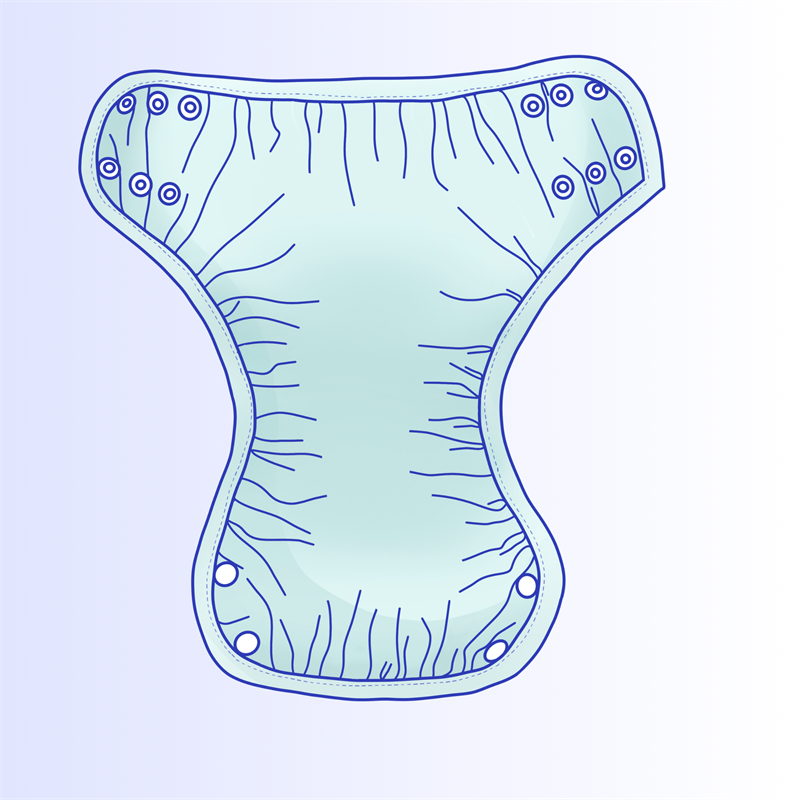
A high-quality reusable swim diaper utilizes a waterproof TPU exterior and secure elastic gussets to prevent solid leaks.
Public pools and swim schools increasingly require a "double diaper" system (disposable under a reusable) for strict biohazard compliance.
We must first understand why everyday diapers fail so spectacularly in aquatic environments. Manufacturers design standard daytime diapers using Superabsorbent Polymers (SAP). These chemical compounds activate upon contact with moisture. SAPs absorb hundreds of times their weight in liquid. When you submerge a regular diaper in a pool, this chemical reaction happens rapidly. The polymers swell to maximum capacity in mere seconds.
The diaper quickly becomes intensely heavy. It restricts infant movement, alters buoyancy, and often ruptures under the pressure. A ruptured diaper releases tiny, gel-like absorbent beads directly into the pool water. This creates a massive cleaning hazard, often forcing public pools to close for hours to run their filtration systems.
You must view water nappies through a completely different functional lens. Frame your success criteria purely around solid waste containment. Passing liquids, like urine, is a deliberate design feature rather than a flaw. If a water garment absorbed urine, it would also absorb the surrounding pool water. Manufacturers intentionally omit SAPs from water-specific designs to prevent this dangerous swelling.
An effective evaluation standard focuses entirely on physical barriers. A successful product provides a snug fit around the legs and waist. It achieves this seal without adding unnecessary bulk between the child's legs. Your baby requires natural movement in the water to learn proper kicking techniques. Thick, absorbent layers hinder these swimming mechanics. Always prioritize a streamlined physical seal over any expectation of absorbency when choosing your water wear.
You will primarily choose between single-use disposables and multi-use reusables. Each category serves specific lifestyles, travel plans, and frequency needs. Understanding these nuances prevents frustration poolside.
Single-use disposables offer high convenience for infrequent swimmers. If you plan a one-off weekend vacation, these paper-based options make sense. They feature easy teardown sides. You can manage messy poolside changes quickly by ripping the seams and tossing the entire unit. However, they carry distinct disadvantages. You face a recurring financial cost every time your child enters the water. They generate a significant environmental footprint. Disposables also present a higher risk of sagging. When submerged for extended periods, the paper-based materials lose structural integrity. They loosen around the thighs, compromising the seal against solid matter.
Conversely, baby swimming pants offer a sustainable, multi-use solution. They prove highly cost-effective for families attending weekly swim lessons or spending their summers by the community pool. You benefit from a customizable fit. Many utilize adjustable snap matrices on the front panel. These snaps allow you to adjust the rise and waist independently as your baby grows. They deliver superior durability over months of active use. The main drawback involves post-swim maintenance. You must follow a localized cleaning protocol to handle solid waste before machine washing.
When making your decision, consider your usage frequency carefully. We use a simple return-on-investment metric to guide parents. If you swim more than three times a month, the upfront cost of a reusable option pays for itself quickly. A well-fitted reusable garment also offers a more secure, gap-free fit compared to mass-produced paper disposables. You reduce the risk of embarrassing leaks.
Table: Solution Categories Comparison
Feature | Single-Use Disposables | Reusable Pants |
|---|---|---|
Primary Use Case | Infrequent vacations, emergency backups | Weekly lessons, frequent summer swimming |
Fit Mechanics | Fixed elastic bands, prone to sagging when wet | Adjustable snap matrices, secure custom fit |
Environmental Impact | High waste footprint | Eco-friendly, wash and reuse |
Removal Method | Tear-away side panels | Side or front snap buttons |
Understanding material science helps you select safer, more comfortable products. A modern waterproof TPU swim diaper relies on Thermoplastic Polyurethane construction. We must break down why this specific material matters. TPU provides a highly flexible, waterproof exterior layer. It effectively traps solid matter inside while remaining soft to the touch. Older reusable designs often used stiff PVC plastics. PVC feels rigid, restricts infant movement, and grows crack-prone over time. It can also harbor harsh chemicals. TPU stretches naturally against your baby's body while maintaining absolute structural integrity in highly chlorinated water.
The interior layer requires equal attention during your evaluation. You should inspect the inner linings carefully. Look for moisture-wicking, breathable mesh fabrics. This inner mesh layer serves a dual purpose. First, it catches and holds solid particles securely. Second, it allows pool water to drain outward quickly when you lift your baby from the pool. Fast drainage prevents heavy, wet fabric from chafing against sensitive skin, reducing the likelihood of friction rashes.
Gusset engineering represents the most critical failure point in any design. The legs and waist demand robust construction. Standard gathers found on daytime nappies simply fail in the pool. Evaluate the necessity of thick, binding elastics. You need substantial, slightly stiff elastic bands to ensure a watertight seal against solid matter. Weak elastics allow solids to escape during active kicking, compromising the entire purpose of the garment.
Finally, analyze the closure systems. You must choose between side snaps and traditional pull-ups. Consider the implementation reality. Pulling a tight, wet, soiled pull-up down a baby’s legs risks a massive mess. Gravity and friction work against you, spreading solid waste down the child's legs. Side-snap closures emerge as the objectively safer choice. You can lay the baby down on a changing mat, unsnap the sides completely, and lift the soiled garment away cleanly without dragging it over the skin.
Facility rules exist for a critical reason. We must frame these regulations not as mere suggestions, but as strict biohazard compliance protocols. Public health regulations govern aquatic centers strictly. Fecal contamination in public pools triggers severe consequences. Pathogens like Cryptosporidium and Giardia pose serious health risks to all swimmers, especially young children and elderly patrons.
When an accident occurs, it requires costly chemical shocking procedures. Facilities must shut down their pools for hours, sometimes days, to neutralize the pathogens. To combat this risk proactively, reputable swim schools enforce the industry-standard "Double Diaper" rule.
Implementing this double layer provides redundant mechanical security. You place a disposable option closest to the skin. You then secure the entire setup by placing a tight-fitting reusable swim diaper directly on top. The inner layer catches the initial mess. The outer garment acts as a secondary mechanical seal, ensuring nothing escapes into the water even during vigorous kicking.
You must pay strict attention to fit modifications when utilizing this double system. We strongly warn against sizing up the outer layer. Parents often assume they need a larger size to accommodate the disposable layer underneath. This represents a common, dangerous mistake. The outer reusable layer must fit flush against the skin at the waist and thighs. It needs to compress the inner disposable layer firmly. Sizing up creates dangerous gaps around the gussets, rendering the entire double system ineffective.
You can simplify your selection process by following a systematic approach. Avoid buying strictly based on cute patterns. Use these four practical steps to build the ideal aquatic setup for your infant.
Audit your usage frequency. Determine exactly how often you will visit the pool. A one-week beach vacation demands a different setup than weekly infant survival lessons. High frequency mandates durable, multi-use garments to avoid burning through expensive disposables.
Check facility requirements. Never assume the rules. Call your local YMCA, public pool, or private swim school directly. Ask them to confirm their specific diaper policy. Many strictly mandate the double-layer system for all non-potty-trained children. Knowing this beforehand prevents you from being turned away at the door.
Measure for precision. Discard weight-based sizing charts entirely. They rarely reflect a child's true proportions, as babies carry weight differently. We guide parents to measure the baby's waist and upper thigh circumference using a soft measuring tape. Always measure the thickest part of the thigh. A proper water garment must fit significantly tighter than a standard daytime nappy to secure the seal.
Assess the change-out logistics. Consider who manages the poolside changes. Choose side-snapping reusables or easy-tear disposables based on convenience. Side snaps provide much easier removal when dealing with solid messes on slippery, crowded locker room changing tables.
Understand that no water nappy provides perfectly leak-proof containment for liquids; the primary engineering goal remains strict risk mitigation for solid waste.
Avoid using standard absorbent nappies in water under any circumstances, as their polymer cores will burst, creating heavy anchors and contaminating the environment.
For frequent swimmers, investing in two to three high-quality TPU multi-use garments offers the best combination of cost-efficiency, secure fit, and facility compliance.
Always measure your child's thighs accurately rather than relying on weight guidelines.
Take action today by calling your local pool to verify their double-layer requirements before finalizing any equipment purchases.
A: No, they do not absorb pee. If they absorbed urine, they would also absorb the surrounding pool water. This would cause them to balloon, become dangerously heavy, and drag your baby down. They are deliberately designed to let liquid pass through while trapping solid waste securely inside.
A: Absolutely not. The regular diaper contains absorbent polymers. These polymers will immediately swell upon hitting the water. This creates a heavy, gel-filled anchor. It will completely compromise the snug fit of the outer layer. This leads to severe leaks, bursting, and immediate pool contamination.
A: You should follow a brief, hygienic removal protocol. First, knock any solid waste directly into the toilet. Next, rinse the garment thoroughly in a utility sink to remove chlorine and remaining organic residue. Finally, run it through a warm machine wash utilizing a mild detergent. Hang it to air dry.
A: Generally, no. You should avoid diaper creams unless you are specifically protecting an existing rash from harsh chlorine. Heavy barrier creams build up on the fabric fibers. Over time, they degrade the waterproof layers. They also reduce the draining effectiveness of the inner mesh lining.