
Nursing pads are essential for breastfeeding mothers, designed to absorb milk leakage between feedings. These absorbent pads are worn inside the bra, keeping clothes dry and preventing discomfort. As a new mother, you may face challenges managing leaks and maintaining hygiene. In this article, we will discuss the importance of nursing pads, explore their different types, and look at eco-friendly options like KINGSOO reusable nursing pads. You’ll learn how to choose the right pad for your needs and ensure maximum comfort during your breastfeeding journey.
Nursing pads are absorbent pads worn inside a bra, directly against the breast, to absorb any milk leakage between feedings. Breastfeeding mothers may experience milk leakage for a variety of reasons, including hormonal changes or a baby feeding from one breast, causing the other to leak due to the let-down reflex. Nursing pads serve as a barrier to keep clothing dry and prevent milk stains, making them an indispensable part of the breastfeeding journey.
Breast milk leakage is a natural and common occurrence, especially in the early stages of breastfeeding. Many mothers experience milk leakage at different times throughout the day. Below, we break down some of the most common causes:
Cause | Description |
Between Feedings | As your body adjusts to the baby's feeding schedule, milk may leak from the breasts if they are not fully emptied during feedings. |
Hearing a Baby Cry | The sound of a baby crying triggers the let-down reflex, causing milk to leak from the breasts even if the baby isn’t nursing. |
Before Feeding Time | Some mothers notice leakage when it’s close to the time their baby would normally nurse, as the body prepares for the next feeding. |
Understanding these triggers can help you manage leakage more effectively and choose the right nursing pads to stay dry and comfortable throughout the day.
Using nursing pads is crucial for more than just preventing milk stains. They play a significant role in keeping the skin dry, which is key to preventing irritation and infection. Moisture from breast milk, if left untreated, can lead to discomfort or even cause yeast infections around the nipple. By maintaining hygiene and comfort, nursing pads offer a simple yet effective solution.
Here are the main reasons why nursing pads are essential:
● Prevents Milk Stains: Keeps clothing dry by absorbing milk leakage between feedings.
● Keeps Skin Dry: Helps to prevent irritation, chafing, and infection caused by lingering moisture.
● Reduces Risk of Yeast Infections: By preventing moisture buildup, nursing pads help reduce the risk of infections.
● Maintains Comfort: Soft materials, especially those from KINGSOO, provide comfort while preventing discomfort during breastfeeding.
● Eco-Friendly Option: KINGSOO offers reusable nursing pads made from natural materials, ensuring comfort and sustainability.
Using nursing pads ensures a more comfortable and hygienic breastfeeding experience for mothers.
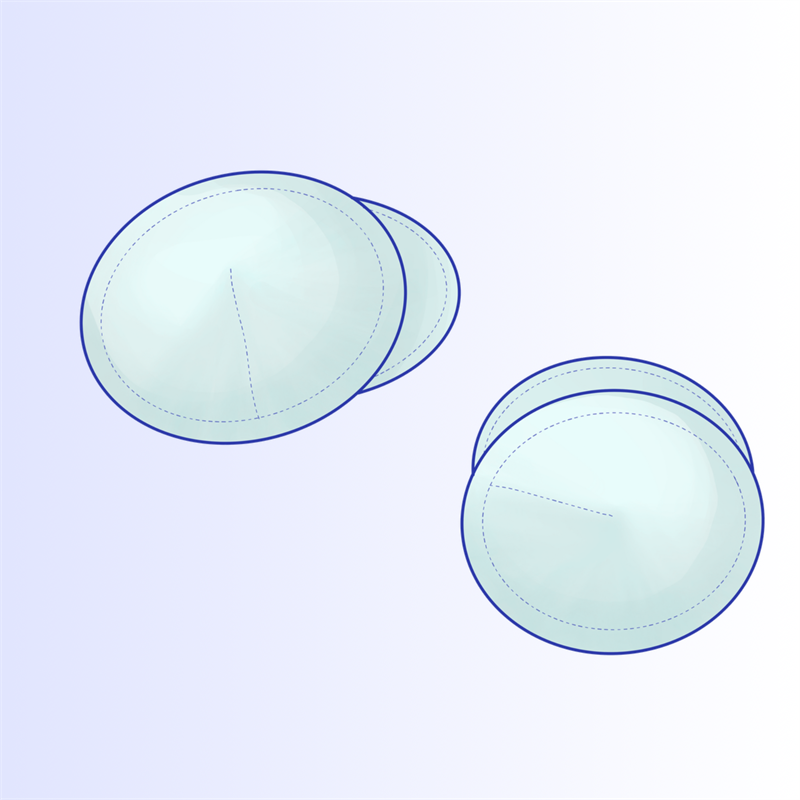
Disposable nursing pads are single-use pads that are convenient and easy to use. They typically come with adhesive strips to secure the pad in place within the bra.
Benefits: Disposable nursing pads are convenient for travel, don’t require washing, and are ideal for busy, on-the-go mothers.
Considerations: They can be costly in the long run and are not eco-friendly. Additionally, disposable pads may cause moisture buildup if worn for too long, which can lead to discomfort.
Reusable nursing pads are washable pads made from soft, breathable materials such as cotton or bamboo. These pads can be used multiple times, making them a more eco-friendly and cost-effective option in the long term.
Benefits: Reusable pads provide better air circulation, which is important for the healing of sore nipples. They are environmentally friendly and economical over time.
Considerations: Reusable pads need to be washed regularly, and some users may find that they shift during use. KINGSOO produces high-quality reusable nursing pads that are soft, breathable, and designed to stay in place for maximum comfort.
Type | Benefits | Considerations |
Disposable Pads | Convenient, no washing required | Expensive, not eco-friendly, moisture buildup |
Reusable Pads | Eco-friendly, economical, breathable | Requires washing, may shift during use |
● Homemade Nursing Pads: Made from soft fabric, sanitary napkins, or even cotton material. These pads are cost-effective but may lack proper absorption and comfort.
● Silicone Nursing Pads: These pads do not absorb milk but gently apply pressure to prevent leakage. They are thin and can be worn under tight clothing but may cause irritation for some mothers.
● Hydrogel Nursing Pads: Used primarily to soothe sore or irritated nipples, hydrogel pads are not designed for preventing leakage but can provide relief during the healing process.
The primary function of a nursing pad is to absorb excess milk. Choosing a pad with the right absorbency level is essential based on how much milk leaks between feedings. Pads with high absorbency can help keep mothers feeling dry for longer periods and prevent frequent changes.
Soft materials like cotton or bamboo are ideal for nursing pads, as they prevent irritation around sensitive areas. Breathable fabrics are also crucial to keep the skin cool and dry. Nursing pads that are too stiff or rough can lead to chafing or discomfort, which is why comfort should be prioritized.
Nursing pads come in different shapes and sizes to suit various breast shapes. Contoured pads are designed to fit snugly against the breast, while round pads may bunch up inside the bra. Ensuring a proper fit is important to prevent visible lines under clothing and ensure that the pad stays in place throughout the day.
For many mothers, discreetness is an essential factor when choosing nursing pads. Pads that are too bulky or visible under clothing can cause embarrassment. Choosing pads that fit well, are thin, and blend seamlessly under clothes is important for maintaining confidence throughout the day.
Feature | What to Look For | Why It Matters |
Absorbency | High absorbency level | Keeps you dry for longer periods, reduces changes |
Comfort and Softness | Soft, breathable materials like cotton or bamboo | Prevents irritation and discomfort |
Coverage and Fit | Contoured or properly sized pads | Ensures a snug fit and avoids visible lines |
Discreetness and Convenience | Thin, well-fitting pads | Ensures comfort and confidence throughout the day |
This table provides a simple comparison of key features to consider when selecting nursing pads, helping you make an informed decision for your comfort and convenience.
Mothers experience varying levels of milk leakage, which means the number of nursing pads required will differ from one individual to another. Some mothers may need 3-4 pads per day, while others, particularly in the early stages of breastfeeding, may require more. During this time, as milk production is still adjusting, leakage can be more frequent and abundant. It's important to estimate how much leakage you experience to stock up on the appropriate amount of nursing pads for your needs.
Changing nursing pads frequently is essential for hygiene and comfort. When pads become wet, replace them immediately to avoid bacteria buildup, which can cause irritation or infection. If leakage is significant, change pads more often. Keeping skin dry helps maintain comfort throughout the day.
Condition | Action | Reason |
Wet Pads | Change immediately | Prevents bacteria buildup and irritation |
Significant Leakage | Change more often | Keeps skin dry and comfortable |
Regular Wear | Change every 3-4 hours, depending on leakage | Ensures hygiene and comfort |
By following these guidelines, you can ensure comfort and hygiene during breastfeeding.
Reusable nursing pads offer a cost-effective and eco-friendly option, but proper care is necessary to ensure they last. To maintain their shape, absorbency, and overall effectiveness, follow these simple washing and drying tips.
Washing Tips | Drying Tips |
Wash in a gentle cycle with mild detergent | Air dry nursing pads to preserve shape and absorbency |
Avoid using fabric softeners, as they can reduce absorbency | If using a dryer, tumble dry on a low setting |
Use a laundry bag for extra protection | Ensure pads are completely dry before reusing |
By following these guidelines, you can extend the life of your nursing pads, making them a long-lasting and sustainable choice.
Signs that a nursing pad needs replacing include loss of absorbency, wear and tear, or any odors that persist even after washing. Reusable nursing pads can last for months if properly cared for, but they should be replaced when they no longer serve their function effectively.
Disposable nursing pads are convenient, but they contribute to waste. The production of single-use pads involves additional resources, and they can take years to decompose in landfills. While they offer immediate convenience, their long-term environmental impact is significant.
Reusable nursing pads provide an eco-friendly solution to the waste caused by disposable pads. By choosing reusable options like those offered by KINGSOO, mothers can reduce their carbon footprint while still enjoying comfort and reliability. These pads are made from sustainable materials and are designed to be used multiple times, making them a great choice for environmentally-conscious parents.
Type | Environmental Impact | Benefits |
Disposable Pads | Contribute to waste, take years to decompose in landfills | Convenient but not eco-friendly |
Reusable Pads | Made from sustainable materials, reduces waste | Eco-friendly, cost-effective, and durable |
By opting for reusable pads, mothers can significantly reduce waste while enjoying comfort and sustainability.
Nursing pads are an essential tool for breastfeeding mothers, helping manage milk leakage and ensuring comfort. Whether you prefer disposable or reusable pads, the key is to find what suits your needs. For eco-conscious mothers, KINGSOO offers reusable nursing pads made from natural materials, ensuring comfort and sustainability. By choosing the right absorbency and maintaining hygiene, you can make breastfeeding more comfortable. Share your experiences to help others make informed choices.
A: Nursing pads are absorbent materials worn inside a bra to absorb breast milk leakage between feedings. They help keep your clothing dry and prevent discomfort or irritation, especially during the early stages of breastfeeding.
A: Nursing pads are essential for managing milk leakage. They help protect your clothes from wet spots and prevent irritation on the skin. They also provide confidence during breastfeeding, particularly in the early stages when milk production is still regulating.
A: Nursing pads should be changed whenever they become wet to prevent irritation and maintain hygiene. Most mothers change them every 3-4 hours, but you may need to change more frequently depending on milk leakage.
A: Disposable nursing pads are single-use and convenient for on-the-go, while reusable nursing pads are washable and eco-friendly. Reusable pads, like those from KINGSOO, are made from natural, breathable materials, offering comfort and sustainability.
A: The right nursing pads depend on your needs. If you're looking for convenience, disposable pads might be best. However, for long-term comfort and environmental benefits, reusable nursing pads, such as those offered by KINGSOO, are a great choice.
A: Yes, nursing pads are safe and widely used by breastfeeding mothers. It's important to choose pads made from soft, breathable materials to ensure comfort and avoid skin irritation.


