- All
- Product Name
- Product Keyword
- Product Model
- Product Summary
- Product Description
- Multi Field Search
English

Author: Site Editor Publish Time: 2026-08-07 Origin: Site
Picture an absolute nightmare scenario unfolding at a crowded public pool on a hot summer afternoon. A single baby's diaper failure can force an immediate facility closure for hours. This creates massive health hazards for other swimmers and leaves caregivers facing extreme public embarrassment. Dealing with angry patrons and panicked facility managers ruins the entire weekend.
Many parents assume standard diapers work perfectly fine in the water. Caregivers often view standard and aquatic versions as fully interchangeable items. The packaging looks similar, and both products fit around a baby's waist. However, standard models use materials completely unsuited for aquatic environments. Bringing the wrong product to the pool creates significant dangers.
You must understand one critical concept before planning your next beach trip. Regular diapers and aquatic versions remain fundamentally distinct tools. Engineers design them for completely opposite purposes. Standard versions focus entirely on dry land absorption. Aquatic versions focus exclusively on underwater solid containment.
Mechanics: Regular diapers absorb all liquids (causing extreme swelling in water), while swim diapers absorb nothing, acting solely as a physical barrier for solid waste.
Compliance: Commercial pools and swim schools strictly prohibit regular diapers due to contamination risks, often mandating specific swim diaper protocols.
Urine Reality: Swim diapers do not contain urine; putting a swim diaper on a child for the car ride to the pool will result in leaks.
Cost-Efficiency: A reusable swim diaper often pays for itself within 3–4 uses compared to disposable alternatives.
Standard diapers rely heavily on Super Absorbent Polymers (SAP) to keep babies dry. These tiny chemical crystals soak up immense volumes of liquid very quickly. On dry land, they keep infants perfectly comfortable. They pull moisture away from sensitive skin effectively. Once submerged in a pool, a dangerous chemical reaction immediately begins.
The SAP crystals attempt to absorb the entire swimming pool instantly. The garment swells to a massive size within mere seconds. This rapid expansion creates a heavy, balloon-like structure around the child's waist. The sheer weight drags the child down into the water. This alters their natural buoyancy and creates a severe mobility hazard. Sometimes, the pressure causes the material to rupture entirely. This sends thousands of sticky gel beads floating across the pool surface.
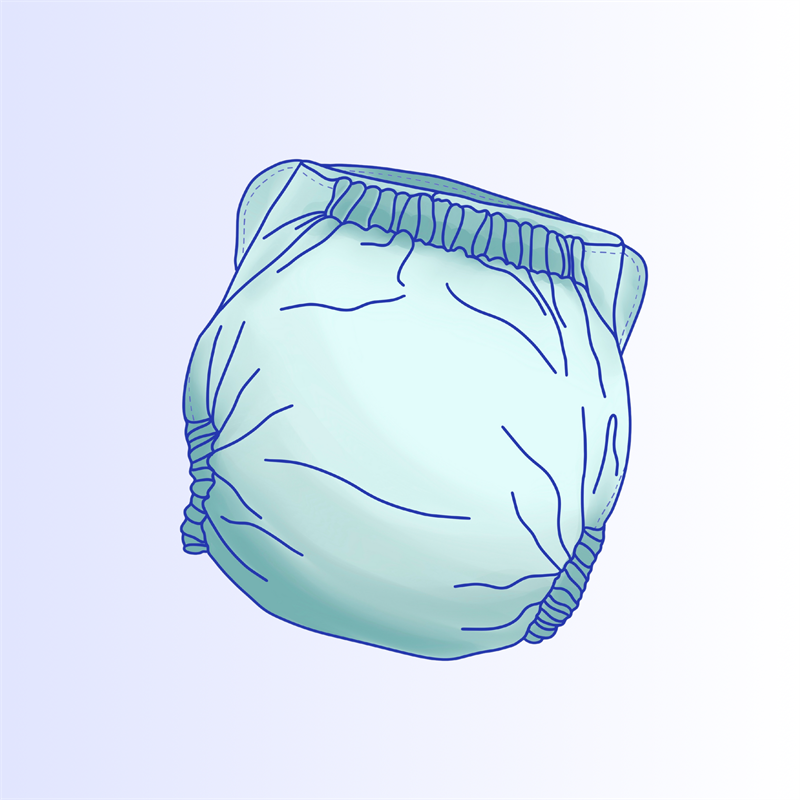
Aquatic versions take the exact opposite engineering approach. They feature absolutely no absorbent core. Instead, their entire design focuses strictly on physical barriers. Manufacturers use specialized elastic gussets around the thighs. They add tight bands around the waistline. These physical barriers serve one exclusive purpose. They trap solid fecal matter securely inside the garment.
You must accept a harsh reality regarding these products. These specialized garments let urine pass through instantly. This lack of absorption prevents the dangerous balloon effect entirely. Passing liquids freely keeps the child safe and buoyant. A proper Swim Diaper guarantees your baby can kick and splash safely without sinking.
Commercial aquatic facilities enforce extremely strict hygiene rules. Public pools and formal swim schools universally ban regular diapers. Facility managers do this to prevent severe waterborne illnesses. Parasites like Cryptosporidium and bacteria like E. coli pose massive health threats. A single solid leak can contaminate thousands of gallons of treated water.
Facilities follow rigorous Centers for Disease Control (CDC) guidelines regarding fecal incidents. These standards require immediate pool closure. Managers must execute a harsh chemical shocking process called hyperchlorination. This process takes hours to complete. It forces everyone out of the water and ruins the day for all patrons.
Many professional facilities take containment a step further. They mandate a rigorous two-layer defense system. A single layer sometimes shifts during highly active water play. To guarantee zero solid leakage, safety rules require dual protection.
You typically start a disposable base layer directly against the skin. Then, you place a snug regular diaper cover over the primary layer. Some parents prefer thick neoprene covers instead. This robust combination locks down any potential escape routes. It provides total peace of mind for parents and facility managers alike.
Follow these specific steps for proper double protection:
Check your local facility guidelines online before arrival.
Apply the inner disposable layer securely around the waist.
Pull the tight outer cover directly over the primary layer.
Check the thigh gaps physically to confirm a complete seal.
Conducting a proper swim diaper comparison helps caregivers make highly informed choices. You generally choose between two primary product categories. Both options offer unique advantages depending on your specific lifestyle.
Single-use versions offer excellent convenience for busy parents. You simply toss them directly into the trash after swimming. They feature easy tear-away sides for quick removal. This design makes handling heavy messes much cleaner. However, they carry distinct drawbacks. The recurring expense adds up very quickly over a long summer. They often provide a less secure fit around skinny baby legs. Furthermore, packing them takes up half your suitcase during vacations. Tossing them continuously also creates a massive environmental footprint.
Washable versions provide distinct structural benefits. They feature much thicker materials and incredibly robust elastic seals. These tighter seals provide superior containment around the legs. For families taking frequent trips to the beach, a reusable swim diaper delivers phenomenal value. They take up almost zero space in your luggage.
Scalability remains a huge advantage in this category. You can purchase an adjustable swim diaper featuring intelligent tiered snap systems. These vertical and horizontal snaps allow the garment to grow alongside your baby. You use the exact same product across multiple seasons. This saves massive amounts of shopping time.
Maintenance requires minimal physical effort. You flush any solids directly down the toilet. Then, you machine wash the garment on a hot cycle. Finally, simply let the item air dry outside. The specialized TPU materials dry remarkably fast.
The chart below outlines the key differences between the categories:
Feature Category | Disposable Models | Reusable Models |
|---|---|---|
Leg Containment Seal | Moderate | Excellent |
Environmental Impact | High (Landfill waste) | Low (Washable) |
Luggage Space Required | High (Bulky packs) | Low (Folds flat) |
Mess Removal Method | Tear-away sides | Snap-release sides |
Long-term Value | Low | High |
Caregivers must prioritize fit over fashion every single time. Many parents buy larger sizes intentionally to extend usage life. This approach completely destroys the core containment purpose. A gap of even a quarter-inch around the thigh ruins everything. Solids will escape into the pool water immediately. You should always size down if your baby falls between measurements. A highly snug fit ensures optimal safety.
Material selection matters immensely for sensitive skin. Active water play creates continuous friction. You must evaluate the inner linings carefully. Mesh linings sometimes cause severe chafing during extended wear. Sand often gets trapped inside the mesh holes. Soft polyester linings offer better protection against skin irritation. They keep the child comfortable during extremely long beach days.
You also must assess the ease of removal. Dealing with a "code brown" requires a solid tactical plan. Disposables win here via quick tear-away sides. Reusables utilize snap-releases for damage control. You unsnap them cleanly instead of pulling them down the legs. Pulling a soiled garment down the legs creates a terrible mess. Always practice removing the garment dry before facing an actual emergency.
Keep these vital best practices in mind:
Prioritize snug thigh seals above all other features.
Test the snap-release mechanisms at home before swimming.
Choose soft polyester inner linings for sensitive skin.
Avoid baggy styles regardless of cute animal patterns.
Even highly experienced caregivers stumble over basic aquatic rules. The "commute mistake" ranks as the most common parental error. Parents apply the aquatic garment before leaving the house. They buckle the child directly into the car seat. Since these garments let urine pass freely, disasters happen quickly. You arrive at the pool facing completely soaked upholstery. Cleaning car seat straps takes hours. Always change your child upon arriving at the facility.
The rash risk presents another frequent issue. Kids often play in wet gear long after swimming ends. Leaving damp material against the skin invites aggressive bacteria. Pool chemicals trapped against the body exacerbate chafing. The chlorine strips away natural skin oils. Change your child into dry clothes immediately after finishing water play.
Finally, watch out for the dangerous sizing trap. Standard sizing relies entirely on generic weight charts. Weight alone rarely dictates a watertight seal. Babies carry their physical weight very differently. A chubby six-month-old needs a different size than a slender twelve-month-old. You must measure the actual thigh and waist circumference. Use a soft tape measure for highly accurate numbers. This guarantees the secure containment your child needs.
Standard and aquatic options serve completely opposite roles in your parenting toolkit. Keep standard versions strictly for dry land moisture absorption. Use aquatic designs exclusively for underwater solid containment. Mixing them up causes severe hazards and massive headaches.
For a quick one-off vacation, single-use options work perfectly well. Routine pool access demands a much smarter strategy. We strongly advocate for an adjustable reusable model. Pair it securely beneath a snug outer cover whenever facility rules dictate.
Take action right now before your next water adventure. Grab a tape measure to check your child's thighs accurately. Always review your local facility’s specific hygiene policies online before purchasing anything.
A: No. Using a standard version in a kiddie pool creates a massive cleanup nightmare. The absorbent polymer gels swell instantly and will eventually burst into the water. This ruins the pool water entirely and leaves sticky chemical gel everywhere.
A: Absolutely not. They let urine pass through instantly by design. If they trapped liquids, they would absorb pool water, swell up, and drag the child under. Passing urine freely remains physically necessary for them to function safely in aquatic environments.
A: Occasional swimmers generally need two. This allows you to rotate them in case of an unexpected solid accident. Families taking frequent beach vacations should pack three to four. This practical formula ensures you always have a completely dry one ready.
A: You should never wash and reuse single-use options. The washing machine rapidly degrades the internal elastics. They completely lose their structural containment integrity. Reusing them virtually guarantees a solid leak during your next pool visit.