- All
- Product Name
- Product Keyword
- Product Model
- Product Summary
- Product Description
- Multi Field Search
English

Author: Site Editor Publish Time: 2026-08-27 Origin: Site
Potty training often brings a mix of excitement and deep frustration. Stalled progress remains incredibly common among toddlers. Parents usually face major confusion when moving away from standard diapers. You might feel overwhelmed by the sheer number of choices. Choosing the wrong transition garment creates unnecessary stress. It can extend your potty training timeline significantly. It also causes avoidable messes around your home. Selecting the right tool is absolutely essential for your success. We will provide a clear comparison of reusable and disposable options. You will discover how to choose the best system for your family. We base this on your child's learning style. Your daily routine and childcare requirements also play crucial roles. This guide breaks down the physical and psychological impacts of each choice. Let us guide you through this major developmental milestone smoothly.
Cognitive Feedback: Reusable training pants allow toddlers to feel wetness, which bridges the cognitive gap between eliminating and understanding the need for a toilet.
Convenience vs. Cost: Disposable options offer unmatched convenience and daycare compliance but carry a higher recurring cost and can prolong the training phase.
Hybrid Solutions Work Best: Many parents successfully adopt a hybrid model—using reusables at home to accelerate learning and disposables for sleep or travel to manage messes.
Material Matters: Options like organic cotton training pants offer better breathability for sensitive skin compared to the synthetic gels used in disposables.
Understanding the fundamental purpose of a transition garment is vital. The primary goal of a training pant is simple. It must bridge the gap between a highly absorbent diaper and standard underwear. Toddlers need a stepping stone to achieve full independence. They cannot leap directly from total protection to zero protection without accidents.
Standard diapers use advanced engineering to hide moisture. They wick liquid away from the skin instantly. Your child feels completely dry even after a full void. This design works perfectly for infants. However, it severely hinders a potty training toddler. Toddlers rely heavily on physical sensations to learn abstract concepts.
Reusable options take a completely different approach. They deliberately retain a slight wet sensation against the skin. This dampness triggers cognitive awareness. The child feels uncomfortable and recognizes the consequence of their action. This establishes a clear cause-and-effect relationship in their brain. They learn to associate the urge to pee with the resulting wetness. Crucially, they learn this lesson without creating a massive puddle on your floor.
Marketing terms often confuse parents during this phase. You must understand the true nature of the products you buy. Disposable training pants are functionally identical to standard diapers. Manufacturers use the exact same absorbent materials inside them. They simply feature a flexible pull-up design. This design helps children practice dressing themselves. However, it does not provide the vital wetness feedback necessary for quick learning.
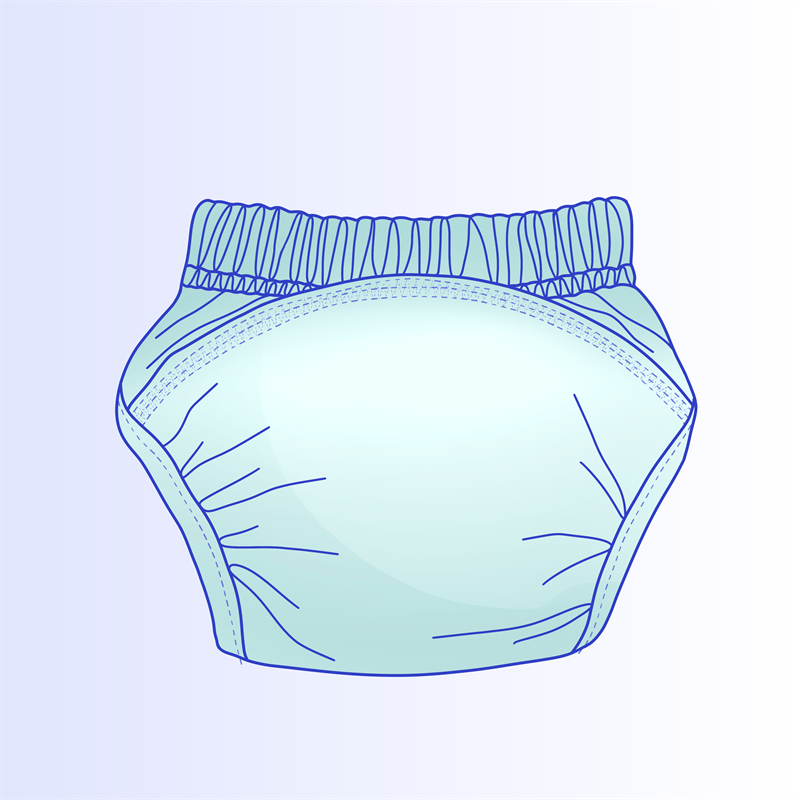
Fabric-based transition pants offer a traditional yet highly effective approach. They mimic the look and feel of big-kid underwear. Built with layered fabrics, they feature an absorbent inner core. A hidden moisture barrier prevents liquid from soaking entirely through to outer clothing. This clever construction supports active learning.
Faster Milestones: Uncomfortable wetness naturally encourages the child to use the toilet. They learn quickly to avoid the damp feeling.
Skin Health: Many parents worry about diaper rash. Using organic cotton training pants reduces exposure to synthetic super-absorbent polymers. Natural fibers allow delicate skin to breathe properly.
Leak Protection: High-quality waterproof training pants contain minor accidents perfectly. They protect your furniture and rugs while still teaching the child.
Environmental Sustainability: You wash and reuse these garments repeatedly. One small stash keeps hundreds of single-use items out of local landfills.
No system is entirely flawless. Fabric pants introduce new chores into your daily routine. You will experience an increased laundry volume. You must establish a solid wash routine to prevent lingering odors. Furthermore, these garments are not suitable for full voids. If your child empties a full bladder, they will leak eventually. Accidents require immediate changing to keep your home clean.
You also face a significant compliance risk regarding third-party childcare. Many daycare centers strictly prohibit reusable pants. Sanitation policies often mandate disposable items to prevent cross-contamination. You must check your preschool handbook before making a final decision.
Best Practice: Always pre-rinse soiled fabric pants in cold water before tossing them into your main warm wash cycle. This simple step prevents permanent staining.
Single-use pull-ons dominate the commercial market for a reason. They offer incredible ease of use for busy parents. These potty training diapers utilize the exact same super-absorbent polymer technology found in infant diapers. You pull them up like underwear. When an accident happens, you tear the sides and throw them away.
Zero Cleanup: Tear-away sides allow for the effortless removal of solid waste. You simply roll the mess up and toss it into the trash bin.
High Absorbency: They can hold multiple full voids securely. This makes them incredibly reliable for long car rides, grocery trips, or family vacations.
Universal Acceptance: Preschools, daycares, and casual babysitters universally accept them. Caregivers appreciate the straightforward, mess-free changing process.
The primary drawback is the risk of extended timelines. Because they feel exactly like diapers, children often treat them as such. The child remains dry and comfortable after an accident. This removes the urgency to use the toilet. Many toddlers happily continue playing in a soiled disposable pull-up. This muscle memory directly combats your training efforts.
They also generate massive amounts of household waste. You will throw away several bulky items every single day. Over several months, this environmental footprint grows substantially.
Common Mistake: Relying exclusively on disposables during the first week of training often confuses the toddler. They cannot distinguish the new garment from their old diapers.
Choosing your path requires a realistic look at your lifestyle. You must balance educational speed against your daily stress levels. We break down the four most critical evaluation factors below.
Evaluate the psychological shift your toddler must make. They must move from "I am protected" to "I am wearing underwear." Reusables mimic real underwear far closer than disposables do. The wetness feedback loop forces cognitive development. Toddlers simply train faster when they experience the physical consequences of missing the toilet.
Evaluate the longevity of your chosen system. A single purchase of cloth pants provides lasting value. You buy one complete set and wash them continuously. Once your child finishes training, you can store the stash for a younger sibling. Disposables require constant weekly trips to the store. You buy them, use them once, and throw them away forever.
Evaluate the reality of cleaning up major accidents. Disposables clearly win for highly active, out-of-the-house lifestyles. If your child has a major accident at the playground, you want a simple solution. Tearing away a disposable pant is stress-free. Managing a soiled cloth garment in a public restroom requires planning and a waterproof wet bag.
Assess your alignment with third-party caregivers. If your daycare requires disposables, the decision is made for you during working hours. Caregivers manage multiple children simultaneously. They rarely have time to deal with soiled cloth. However, stay-at-home parents or private nannies might prefer the cloth route. Your specific childcare setup dictates this winner.
Feature | Reusable Pants | Disposable Pull-ups |
|---|---|---|
Wetness Feedback | High (Promotes fast learning) | Low (Feels like a diaper) |
Absorbency Level | Catches small leaks only | Holds multiple full voids |
Daycare Acceptance | Often restricted | Universally accepted |
Cleanup Process | Requires washing & stain care | Tear sides and throw away |
Skin Breathability | Excellent (Cotton/Bamboo) | Poor (Synthetic plastics) |
Why choose just one system? You do not have to commit entirely to a single method. A strategic mix balances learning speed with parental sanity. Many child development experts recommend blending both options. This keeps your home clean while still pushing your toddler toward independence.
We recommend a phased approach based on your daily environment. This structured plan provides consistency for the child and flexibility for you.
Phase 1 (Active Training/At Home): Dedicate your weekends and evenings to active learning. Use reusable training pants exclusively while inside your house. This establishes the brain-bladder connection safely in a controlled environment. You can monitor the child closely and react quickly to dampness.
Phase 2 (Outings & Daycare): Keep disposable pull-ups on hand for strict daycare rules. Use them during long grocery store trips or car rides. Explain to your child that these are special travel pants. This helps compartmentalize their use.
Phase 3 (Nighttime): Sleep training is a completely different biological milestone. Stick to highly absorbent overnight disposables during sleep hours. Wait until daytime dryness is fully mastered for at least three consecutive weeks. Only then should you attempt overnight underwear.
You can start preparing today. Advise your partner and caregivers about your chosen strategy. Measure your child’s waist and thighs carefully before buying cloth options. A snug fit around the legs prevents floor puddles. Alternatively, purchase a small trial pack of single-use pants to test your child's reaction. You can begin the transition this coming weekend.
The debate surrounding reusable vs disposable training pants ultimately comes down to your priorities. It is a fundamental choice between educational efficiency and immediate convenience. Each family faces unique challenges during this developmental stage. There is no universally perfect answer, only the right answer for your specific situation.
We recommend fabric options for parents prioritizing quick training timelines and natural materials. They create the essential physical feedback toddlers need to succeed. We recommend single-use options for parents prioritizing easy cleanup and strict daycare compliance. They eliminate stress during busy travel days. Consider utilizing a hybrid approach to enjoy the best benefits of both systems.
Take action now to move your child forward. Review our curated collection of transition garments today. Check our sizing guide to ensure a perfect, leak-free fit. Your child is ready to take this big step toward independence.
A: No. They are specifically designed to catch small leaks and early accidents. Their goal is to prevent floor puddles while still letting the child feel wet. They will not absorb a full, extended void like a standard diaper does.
A: Functionally, yes. They use the exact same absorbent chemicals and plastics. However, their elastic waistbands help toddlers practice the physical motion of pulling pants up and down independently.
A: Reusables win in longevity. While the upfront purchase requires a dedicated budget, a single stash lasts through the entire potty training journey. You can wash them repeatedly and even save them for future siblings.
A: It is generally not recommended until the child is consistently waking up dry. Nighttime bladder control is a hormonal and developmental milestone. Children require higher absorbency products during sleep until their bodies mature enough to hold urine overnight.