- All
- Product Name
- Product Keyword
- Product Model
- Product Summary
- Product Description
- Multi Field Search
English

A poorly fitted aquatic garment risks sudden pool closures, public hygiene violations, and highly stressful clean-ups. Many parents discover too late standard diapering rules fail completely in aquatic environments. When an unexpected bowel movement occurs in the water, an improper fit turns a fun family outing into a chaotic public health incident. This is why securing the proper gear matters immensely.
This comprehensive reusable swim diaper guide provides exact fitting methodologies, swim school compliance standards, and sanitary removal tactics. We establish credibility by acknowledging one core reality early on. Aquatic garments contain solids; they do not hold liquids. Understanding this fundamental difference sets accurate expectations for both parents and commercial facility operators.
You will learn the mechanics behind a secure fit, the reasoning behind commercial double-layering mandates, and step-by-step application methods. We will guide you through selecting the right design for your child. Mastering these safety protocols ensures your baby stays comfortable and public waters remain hygienic for everyone.
Swim diapers are designed strictly for solid containment; they do not absorb liquid or replace standard diapers.
Proper fit requires zero gapping around the waist and thighs without leaving restrictive red marks.
"Double diapering" (layering a reusable over a disposable) is mandatory in many commercial swim schools.
Snap-closure adjustable baby swim diapers offer lower risk and easier removal during messy situations compared to pull-up swimming pants.
A pervasive myth confuses many new parents before their first pool visit. People assume an aquatic garment works exactly like an everyday disposable diaper. We must clarify neither disposable nor reusable swim diaper options absorb urine. Standard diapers rely on superabsorbent polymers (SAP). These chemical crystals soak up liquids rapidly. If you submerge a standard diaper in a pool, it absorbs the pool water instantly. It swells enormously, often rupturing and releasing messy gel beads into the water. In extreme cases, a heavily waterlogged diaper acts as a dangerous weight, threatening to drag a small child downward.
Conversely, a dedicated Swim Diaper lacks these absorbent chemicals. The core fabric acts strictly as a sieve. It allows urine to pass through freely into the pool. Its sole engineering purpose is catching and holding fecal matter.
Defining a successful application prevents stressful accidents. A successful fit requires several physical criteria. You need incredibly snug elastics around both legs. You must achieve complete coverage over the entire buttocks area. Furthermore, the garment needs secure, unyielding closures. Any sagging fabric creates a pocket. Pockets trap water and create drag. Drag pulls the waistline down, opening gaps where solids can escape. When you hold the baby up by their waist, the leg gussets should not droop.
Public pools and commercial swim schools enforce strict sanitary policies. They do this to prevent Recreational Water Illnesses (RWIs). The Centers for Disease Control and Prevention (CDC) warns about pathogens like Cryptosporidium. This microscopic parasite lives in infected stool. It survives for days even in properly chlorinated pools. A single leak from a loose garment can shut down a commercial aquatic facility for hours. Facility operators demand tight, specialized garments as the primary defense line against community outbreaks.
Containment Success Metrics
Fit Zone | Correct Fit Indicator | Incorrect Fit Indicator (Risk) |
|---|---|---|
Waistband | Sits flat against the skin; passes the two-finger test. | Gaps when seated; rolls down under the belly. |
Leg Gussets | Tightly hugs the crease of the thigh with no visible space. | Visible gaps; loose fabric hanging near the crotch. |
Buttocks Coverage | Fabric fully encases the rear without shifting during movement. | Cheeks exposed; fabric rides up like a thong. |
Selecting the correct physical format dictates your success during clean-up. Manufacturers provide two primary designs. You must evaluate these formats based on practicality, child age, and potential mess levels.
Parents often gravitate toward pull-up swimming pants because they look familiar. They mimic regular underwear.
Pros: The application feels intuitive. They slip on quickly. They work exceptionally well for highly active, walking toddlers who refuse to lie down for changes.
Risks: They introduce immense difficulty during removal if a solid bowel movement occurs. Pulling soiled, wet material down a child's legs spreads waste everywhere. Tearing away the side seams on wet disposables proves cumbersome. Ripping wet fabric requires surprising force, often startling the child.
Experts strongly recommend the adjustable baby swim diaper for maximum security and hygiene control.
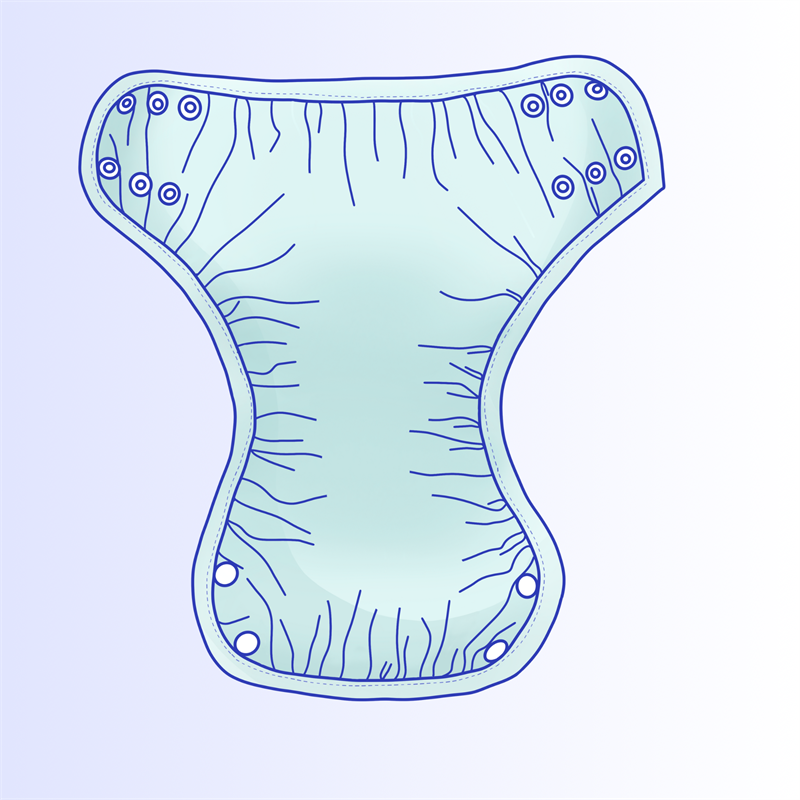
Pros: This format features a grid of snaps on the front panel. It provides a customizable fit. You lay it completely flat for application. Most importantly, it is the easiest and safest garment to remove after a messy accident. You simply unsnap it and lift the baby away, keeping the mess contained.
Scalability: The multi-snap grid allows the garment to grow with the baby. You adjust the horizontal waist and vertical rise independently. This adaptability ensures a long lifespan, keeping disposable waste out of landfills for years.
Advise your selection based on three core factors. First, consider the child's age. Infants lack standing mobility, making snap-closures highly convenient. Second, evaluate stool consistency. Breastfed or formula-fed babies produce highly liquid stool. Liquid stool requires the extreme tightness only adjustable snaps provide. Older toddlers eating solid foods produce firmer stool, making pull-up styles slightly less risky. Third, assess your own comfort with emergency removal. If navigating a public restroom clean-up sounds stressful, snap closures minimize the chaos.
Achieving a leak-free seal requires methodical application. Do not rush this process. A sloppy fit guarantees aquatic leaks. Follow these exact steps for optimal containment.
Begin by laying the garment completely flat on a secure changing surface. Adjust the "rise" first. The rise refers to the vertical row of snaps running down the center. Snapping these lower rows dictates the overall crotch length. You must set the rise before touching the waist snaps. If you secure the waist first, adjusting the vertical length later bunches the fabric awkwardly.
Place the child onto the open garment. Ensure the top back edge aligns perfectly with their natural waistline. Grab the front panel and pull it up tightly against the groin area. You want zero sagging between the legs. Pulling it firmly upward prevents water from pooling in the crotch. Use the "taco method." Pinch the center crotch fabric together like a taco shell as you pull it up. This forces the leg elastics deep into the natural crease of the thighs.
Fasten the waist snaps symmetrically. Secure one side, then match the exact snap position on the opposite side. Uneven snapping pulls the fabric diagonally, creating leg gaps. Ensure the hip snaps lock firmly. The material should wrap securely over the hip bones to anchor the garment.
You must verify the tension physically. Slide two fingers flat under the front waistband. Next, slide two fingers under the thigh elastics. You should feel snug resistance against your fingers. If your fingers slide in effortlessly, the fit is too loose. However, it should not feel overly restrictive. If you remove the garment and see deep, persistent red welts on the skin, it is too tight. Faint pink marks remaining for a few minutes are normal, but deep indentations signal restricted circulation. This specific test addresses the most common parent pain point: finding the exact balance between secure containment and baby comfort.
Common Mistakes to Avoid:
Forgetting to adjust the rise snaps, leaving a massive gap in the crotch.
Pulling the back panel too high, which lowers the front panel below the belly button.
Leaving clothing tags or inner liner edges sticking out of the leg holes.
Major aquatic facilities and professional swim schools rarely trust a single layer. They enforce a strict "double diapering" mandate. They require two distinct layers of protection against fecal leakage. A single layer might shift slightly during a vigorous kick, briefly opening a gap. Two layers acting in tandem create a fail-safe interlocking seal. If the inner layer shifts, the outer layer catches any escaping solids. This redundancy protects the facility from costly health closures.
Do not guess the order. Reversing the layers defeats the physics of the seal.
Base Layer: Apply a well-fitted disposable aquatic garment. This inner layer serves as the primary trap. It catches the bulk of the mess immediately upon exit.
Outer Layer: Apply a snug, reusable neoprene or adjustable cloth layer over the disposable one. This heavy-duty outer shell provides the impenetrable barrier. It compresses the inner layer against the skin.
You must ensure the outer reusable garment completely covers the disposable base layer. Inspect the waistband and both leg openings. Not a single millimeter of the inner disposable should remain visible. If the white disposable material sticks out, it acts as a capillary wick. It draws pool water inside the garments. This wicking action fills the interior with water, ballooning the fabric. It increases drag severely. Furthermore, exposed disposable edges quickly degrade and fray against pool concrete.
Handling a soiled garment properly prevents cross-contamination. Your removal technique changes entirely based on the format you chose.
For adjustable snap closures: Lay the baby down on a sanitizable mat. Unsnap the waist completely. Slowly pull the front panel away horizontally, dropping it downward between the legs. Never drag the soiled front panel up toward the belly. Fold the soiled sides inward immediately to encapsulate the waste. Lift the baby by the ankles and slide the entire unit out from underneath.
For pull-up formats: If you face a messy solid, never pull them down the legs. If it is a disposable pull-up, forcefully rip down the thin side seams. Peel the front away. If it is a reusable pull-up lacking side snaps, you face a harder task. Carefully roll the waistband downward, turning the garment inside out as you pull it down the legs. This rolling technique traps the mess against itself.
Proper maintenance protects the waterproof integrity. Most reusable options utilize a Polyurethane Laminate (PUL) layer. PUL provides waterproofing, but harsh chemicals destroy it. Outline strict post-use washing protocols.
Immediate Rinse: You must rinse the garment in fresh water immediately after leaving the pool. Chlorine and bromine eat away at elastics and PUL coatings. Never throw a chlorinated garment into a hot car trunk to bake.
Solid Disposal: Knock any solid waste directly into a toilet. Use a dedicated spray wand if necessary.
Washing Machine Protocol: Place them in the washing machine on a gentle, cool or warm cycle. Avoid heavily scented detergents or fabric softeners. Softeners coat the fibers, ruining their structural integrity.
Drying: Always air dry. High heat from a tumble dryer melts the PUL waterproofing layer and ruins the elasticity of the leg gussets. Hang them indoors or in mild sunlight.
Successfully navigating aquatic environments with an infant relies entirely on proper gear application. You must select the right type based on solid-containment needs. Snap closures offer superior clean-up control compared to traditional pull-ups. Securing the elastics tightly into the thigh creases prevents catastrophic leaks in public waters. Furthermore, following facility layering rules protects community health and ensures your swim lessons go uninterrupted.
Your action plan is simple. Do not wait until you stand on the pool deck to practice. Fit the garment on your child at home today. Evaluate your current setup against the two-finger fit test. Master the tension settings now, and enjoy a stress-free, leak-free pool visit tomorrow.
A: No. Standard diapers contain superabsorbent polymers. When submerged, they swell enormously and burst, releasing hazardous gel beads into the pool. This ruins the water chemistry and creates a severe safety hazard. You must use only dedicated aquatic garments designed for water use.
A: It must sit snugly enough to prevent any visible gaps around the thighs and waist. However, it should be loose enough to pass the two-finger test. You want slight resistance against your fingers without leaving deep, persistent red welts on the child's skin.
A: While structurally sufficient on their own for containment, most public pools require a standard swimsuit worn over them. This provides additional mechanical security, keeps hands away from diaper closures, and ensures full compliance with local public health facility policies.