- All
- Product Name
- Product Keyword
- Product Model
- Product Summary
- Product Description
- Multi Field Search
English

Author: Site Editor Publish Time: 2026-07-31 Origin: Site
Taking your little one to the pool or beach is an exciting milestone. You imagine sunny smiles and joyful splashing in the water. Transitioning your baby to the pool introduces new hygiene and safety challenges. A standard daily diaper will fail immediately in water. It creates both a massive mess and a potential health hazard for everyone nearby. We must face a strict reality check regarding these products. These specialty items are engineered for one highly specific purpose. They contain solid waste to prevent water contamination. They are absolutely not designed to absorb liquids like urine.
Navigating the choice between disposable and reusable options can feel overwhelming. It requires understanding pool compliance rules, evaluating material safety, and estimating your actual usage frequency. In this article, you will learn how to evaluate fit properly. We will help you avoid common sizing mistakes. You will finally feel confident picking the right gear for your family.
Functionality over absorption: No swim diaper absorbs urine; their sole function is to trap fecal matter and comply with public pool health regulations.
Fit is the primary defense: A baby swim diaper must fit significantly tighter than a daily diaper. Gaps around the legs are the number one cause of water contamination.
Cost and convenience scale differently: Disposables offer upfront convenience for rare trips, while reusables yield a higher ROI and better leak protection for frequent swimmers.
Compliance matters: Many commercial swim schools strictly enforce a "double diaper" policy, requiring specific combinations of reusable and disposable layers.
Parents often wonder why they cannot simply use a standard diaper for a quick swim. The answer lies in basic chemistry. Standard diapers use Super Absorbent Polymers (SAP) to trap moisture. In a dry environment, SAP works flawlessly to keep your baby comfortable. However, in a pool or ocean, the chemical reaction changes drastically. SAP cannot distinguish between urine and pool water. It absorbs the surrounding water instantly. The diaper swells to maximum physical capacity within mere seconds of submersion.
This rapid swelling creates a severe explosion risk. Once the SAP becomes completely saturated, the standard diaper will eventually rupture. It releases thousands of tiny, jelly-like gel beads into the water. These beads create an awful mess for other swimmers. Worse, they get sucked into commercial pool filtration systems. They easily clog expensive filters and often force public pools to shut down for emergency maintenance.
Beyond the mess, wearing a standard diaper poses a significant physical danger. We call this the buoyancy issue. A water-logged standard diaper becomes incredibly heavy. It acts as a heavy anchor attached to your child. This excess weight pulls the baby's hips down into the water. It creates severe discomfort and highly unsafe swimming conditions. Your baby will struggle to maintain proper balance. Choosing a dedicated Swim Diaper eliminates this dragging effect completely. It allows your child to move freely and safely.
Understanding the fundamental differences between disposable and reusable options helps you make smarter decisions. Both categories serve the same core purpose. They trap solid waste effectively. However, they approach convenience, containment, and environmental impact quite differently.
Many parents gravitate toward disposables for their familiar feel. They function much like standard pull-up diapers.
Pros: They offer zero cleanup. You simply toss them in the trash after use. They are incredibly easy to pack into a suitcase for highly infrequent use.
Cons: They sag very quickly when wet. They require ongoing recurring purchases. They offer extremely limited adjustability because they usually only come in a pull-up style. This makes removing a messy diaper difficult.
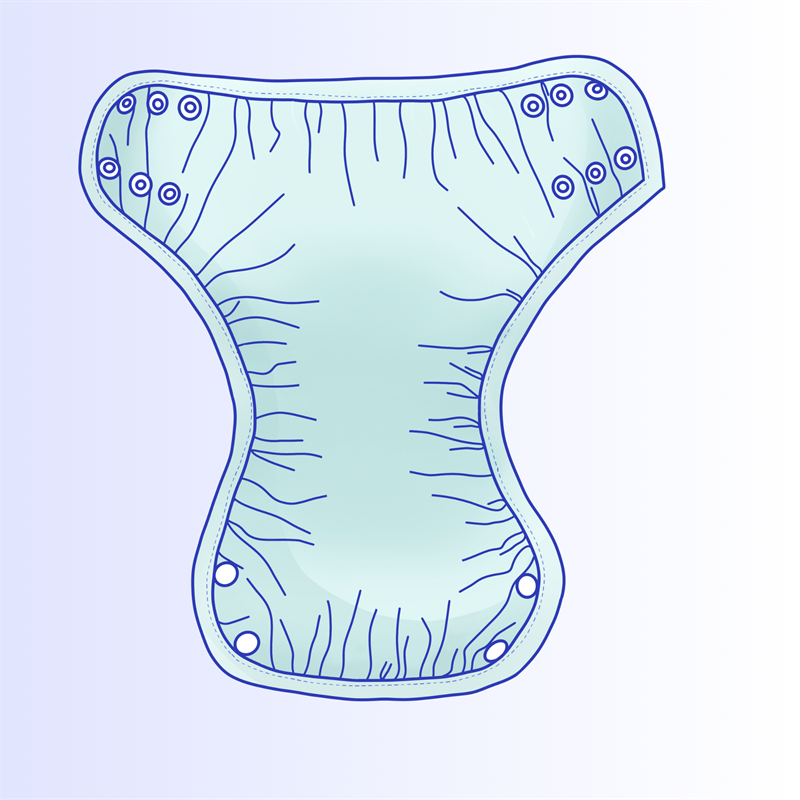
Reusable options look like standard bathing suit bottoms. They feature hidden waterproof layers and tight elastics.
Pros: They provide superior containment thanks to sturdier, thicker elastics. They are highly cost-effective over a long summer season. They are significantly more environmentally friendly because they stay out of landfills.
Cons: They require a strict protocol for cleaning solid waste at home. They carry a higher initial purchase price upfront compared to a single pack of disposables.
Many families eventually adopt a hybrid approach. This involves using a disposable layer underneath a reusable outer cover. Professional swim schools often require this specific setup. They enforce strict "double diapering" health codes to protect all patrons. The disposable layer catches the bulk of the mess. The reusable cover acts as a secondary, fail-safe barrier against leaks. It provides maximum peace of mind during baby swim lessons.
Below is a quick comparison to help visualize the differences between the two main categories.
Feature | Disposable Options | Reusable Options |
|---|---|---|
Cleanup Method | Throw away immediately | Rinse, wash, and dry |
Adjustability | Low (Pull-up style only) | High (Often feature side snaps) |
Waste Containment | Moderate | Excellent (Stronger elastics) |
Best Use Case | Rare vacations or emergencies | Weekly lessons and frequent pool visits |
Following a reliable swim diaper selection guide ensures you check all the vital safety boxes. Do not just grab the first cute pattern you see on the shelf. You need to evaluate three core physical dimensions. These dimensions dictate whether the product will actually work in the water.
The entire system relies on the physical seal against your child's skin. You must look for robust, multi-strand elastic gussets around the thighs and the waist. We recommend performing a simple physical test. Put the garment on your child. Try to slide your index finger under the leg band. If you can easily slide a finger underneath, the seal is too loose. A loose seal equals zero containment. Water will flush inside, and solid waste will escape.
Pool chemicals and salt water already irritate sensitive skin. You do not want a rough material making it worse. Evaluate the outer shells carefully. Look for garments made of waterproof TPU swimming pants material rather than traditional PVC. TPU is highly flexible, noticeably more breathable, and far less prone to cracking over time.
You should also inspect the interior lining. Look for hypoallergenic inner mesh linings. They wick moisture effectively without causing severe friction rashes on wet skin.
How you put the garment on and take it off matters immensely. We strongly recommend finding an adjustable swim diaper featuring side-snap mechanisms. Snaps allow independent adjustment of the waist and the legs. You can secure a custom, tight fit. More importantly, snaps make removing a soiled diaper infinitely easier. You simply unclip the sides and pull the fabric away.
Pull-up styles represent the alternative. They are easier to put on an active, squirming toddler. However, they pose a massive risk during a "code brown" removal. Pulling a messy pull-up down your baby's legs usually spreads the mess everywhere.
Even if you purchase the highest quality gear, user error can ruin your day at the pool. Many parents make the same predictable mistakes during their first few water outings. Avoiding these common traps ensures a clean, stress-free swimming experience.
Parents routinely buy clothing a size up so the baby can grow into it over the year. You must never apply this logic here. In the water, a loose fit renders the product entirely useless. As we noted earlier, the elastic bands provide the only barrier against leaks. Always buy based on your child's current, exact weight. Lean heavily toward a very snug fit. A proper baby swim diaper should temporarily leave faint red marks on the thighs after removal. This indicates a successful, watertight seal.
A classic beginner mistake involves putting the gear on at home before the drive. Parents want to save time in the locker room. Remember our reality check: these products do not absorb liquid. Any urination during the car ride will leak immediately through the fabric. It will soak your child's clothes and ruin the expensive car seat. Always transport your child in a standard daily diaper. Change them at the pool facility just minutes before entering the water.
Reusable options require careful maintenance. Improper laundering destroys them quickly. Many parents mistakenly toss them into a hot wash cycle with heavy bleach. Using bleach, harsh fabric softeners, or high-heat machine drying degrades the TPU waterproofing. Extreme heat also melts and snaps the vital elastic bands. Once the elastics lose their stretch, the core containment function disappears. Always wash them on a gentle, cool cycle and hang them up to air dry.
You now understand the science, the materials, and the fit requirements. The final step involves matching these details to your actual lifestyle. Evaluate your family's routine honestly. We have broken down the three most common parent profiles below.
The Vacationer (1–3 uses per year):
You are planning a single beach trip or a weekend hotel stay. You rarely visit local pools.
Recommendation: Buy a small pack of highly-rated disposables. This path optimizes for minimal luggage space. It guarantees zero vacation laundry. You simply discard them and enjoy your trip.
The Weekly Swimmer (Swim lessons or summer pool pass):
You enrolled your baby in weekly swim lessons. You plan to spend every Saturday at the neighborhood pool.
Recommendation: Purchase 2 to 3 reusable models equipped with side snaps. This path optimizes for cost-per-wear over the long season. It also guarantees compliance with strict commercial swim school containment rules. You can rotate them easily between wash days.
The Sensitive Skin or Eczema Baby:
Your child struggles with severe skin sensitivity, eczema, or frequent chemical rashes.
Recommendation: Choose premium reusable TPU shells featuring organic cotton or ultra-soft mesh inner linings. This path optimizes for minimizing chemical friction against delicate skin. Disposables often contain harsh dyes or rough paper fibers. Soft cloth linings provide a safer, gentler barrier against heavily chlorinated water.
Choosing the right gear ultimately comes down to acknowledging a few simple truths. Fit and solid-containment represent your only real metrics for success. Absorption does not matter in the pool. Remember to prioritize snug elastics, breathable waterproof materials, and easy-to-remove closure systems. Avoid sizing up, and always change your baby at the pool facility rather than at home.
Your next steps are straightforward. First, grab a measuring tape and measure your baby's thighs and waist accurately. Second, call your local public pool or swim school to review their specific "double diaper" policy. Finally, select a model that perfectly aligns with your family's expected swimming frequency. By following these steps, you guarantee a safe, hygienic, and incredibly fun water experience for your little one.
A: No, they do not hold pee. They are mechanically and biologically designed to let urine pass through. If they contained absorbent materials to hold urine, they would instantly absorb the pool water instead. They would swell up and become a heavy, dangerous anchor. Their only job is to trap solid fecal matter.
A: Double diapering means layering two specific garments for maximum hygiene safety. Swim schools usually require you to put a disposable swim diaper on the baby first. Then, you place a snug, reusable neoprene or TPU cover over the disposable one. This combination prevents any accidental solid leaks into the public pool.
A: You follow a simple three-step process. First, knock any solid waste directly into the toilet. Second, rinse the garment thoroughly in a utility sink using cold water. Third, wash it in your washing machine on a gentle, warm cycle. Never use fabric softeners or high-heat dryers, as they ruin the elastics.
A: You can use a dedicated cloth diaper shell, but you must completely remove all the absorbent cloth inserts first. If you leave the thick inserts inside, they will absorb pool water immediately and drag the baby down. Dedicated swim shells without any inserts provide the safest, most streamlined option.