- All
- Product Name
- Product Keyword
- Product Model
- Product Summary
- Product Description
- Multi Field Search
English

Author: Site Editor Publish Time: 2026-04-22 Origin: Site
Period Underwear can save money and reduce waste, but only with proper care. Wash it the wrong way, and stains, odor, and weak absorbency can follow fast. In this article, you will learn how to clean each pair correctly, avoid common mistakes, fix odor or stains, and help it last much longer.
Yes. A cold rinse as soon as possible is the most important first step because it helps release menstrual fluid before it dries into the fabric. Blood is protein-based, so heat makes stains harder to remove and can also work against the absorbent layers over time. Hold the gusset under cold running water and gently press the fabric until the water runs mostly clear. You do not need to scrub aggressively; too much friction can wear down the inner layers faster than normal washing.
If you cannot wash the pair immediately, do not leave it bunched up and damp in a laundry pile. Instead, rinse it if possible, then let it air dry fully before placing it in a hamper or wet bag. This reduces the chance of odor buildup, mildew, and trapped moisture. If you are away from home, folding the underwear inward and storing it in a breathable pouch is usually safer than sealing it in airtight plastic for hours.
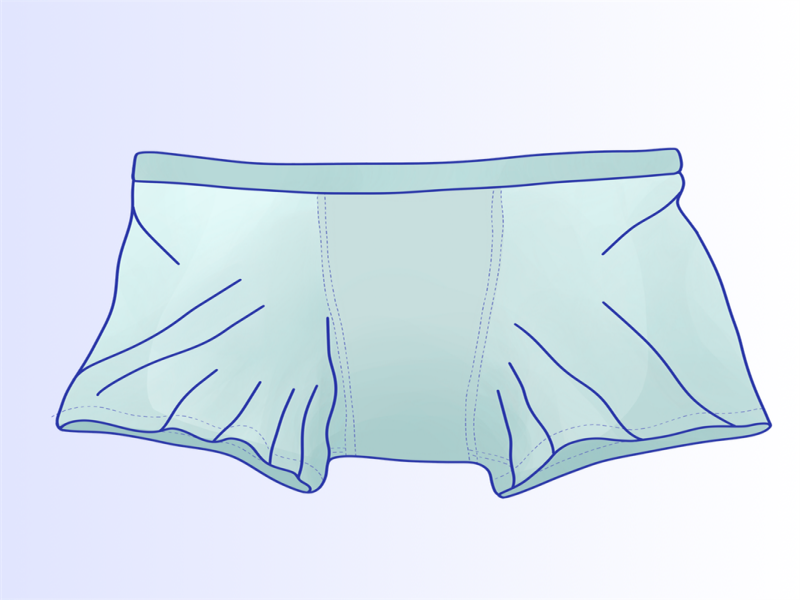
Both methods can work well. Hand washing is useful when you are traveling, washing a single pair, or caring for a more delicate style. Machine washing is more convenient for regular care, especially if you already pre-rinsed the underwear properly. The key is not the method alone, but the combination of cool water, a gentle cycle, and low-friction handling.
Washing method | Best for | How to do it safely | Main watch-out |
Hand wash | One pair at a time, travel, delicate fabrics | Soak briefly in cold water with mild detergent, gently agitate with your hands, then rinse until no soap remains | Avoid twisting, wringing, or hard scrubbing |
Machine wash | Routine laundry, multiple pairs, convenience | Pre-rinse first, wash cold on a delicate cycle, and use a mesh laundry bag if needed | Keep away from rough items like towels or heavy fabrics |
For machine washing, a mesh laundry bag is especially helpful when the load includes zippers, hooks, or textured garments. It reduces rubbing and helps protect the waistband, seams, and absorbent panel from unnecessary wear. Period Underwear can usually be washed with other clothes after rinsing, but softer items are a better match than bulky or abrasive fabrics.
Choose a mild, low-residue detergent that cleans without coating the fabric. In practice, that usually means a liquid formula with a short ingredient list and without heavy fragrance or dye. The goal is to remove blood and body oils while leaving the absorbent layers open and functional, not coated with buildup.
A safe detergent checklist:
● Mild and liquid rather than heavy or waxy
● Fragrance-free or lightly formulated for sensitive skin
● Easy-rinse, with no softening agents
● Free from bleach and strong whitening additives
Products that often cause problems include fabric softeners, dryer sheets, and detergents that leave behind conditioning residue. These can create a film on the fabric, which may reduce absorbency and make the underwear feel less fresh even after washing. Harsh formulas can also irritate sensitive skin in the gusset area.
Air drying is the safest option because high heat can damage the elastic and weaken the leak-resistant barrier. After washing, gently press out excess water instead of twisting the fabric. Then hang the pair or lay it flat in a well-ventilated area. Period Underwear often dries more slowly than regular underwear because the absorbent layers hold more moisture, so plan extra time between wears.
Before storing or reusing a pair, make sure it is completely dry all the way through the gusset. Even if the outer fabric feels dry, the inner layers may still hold moisture. Wearing or storing it too soon can lead to odor, discomfort, and a shorter lifespan.
Heat is one of the fastest ways to shorten the life of Period Underwear because these garments depend on layered construction, not just ordinary fabric. When blood meets warm or hot water, the proteins in it are more likely to bind to the material, which makes stains harder to lift in later washes. At the same time, repeated exposure to heat can gradually weaken the stretch of the waistband and leg openings, so the pair may stop fitting closely enough to do its job well.
High heat is also risky after washing. Tumble dryers, radiators, and other strong heat sources can affect the leak-resistant barrier and the absorbent core inside the gusset. Even if the damage is not obvious after one cycle, repeated heat exposure can reduce how well the underwear absorbs fluid and holds its shape. This is why cool washing and air drying are usually the safest long-term habits if the goal is to preserve both performance and comfort.
Some laundry products make Period Underwear feel cleaner in the short term but work against the fabric over time. The biggest issue is residue. If the absorbent layers become coated, they may stop pulling in fluid as efficiently, and the underwear can start to feel less fresh even after a full wash. Strong chemicals can also wear down the technical materials that help prevent leaks.
Product or additive | Why it causes problems |
Bleach | Can break down delicate fibers and shorten the life of leak-resistant layers |
Fabric softener | Leaves a coating that can reduce absorbency |
Dryer sheets | Add residue that may interfere with moisture uptake |
Heavy fragrance or whitening additives | May build up in the fabric and irritate sensitive skin |
Harsh stain removers | Can be too aggressive for repeated use on technical fabrics |
Yes, but only when a few conditions are in place first. The pair should be rinsed beforehand so excess fluid is not sitting in the fabric, and the load should be made up of softer garments rather than abrasive or heavy items. Washing Period Underwear with towels, denim, or anything with rough texture can increase friction and put more stress on the seams and absorbent panel.
A gentle or delicate cycle is usually the best choice when Period Underwear goes in with other laundry. If the load includes hooks, zippers, or structured garments, a mesh laundry bag adds another layer of protection without making the routine complicated. This way, the underwear gets clean without being treated like a tough fabric that can handle rough washing.
If Period Underwear still smells clean-but-not-fresh after laundry day, the problem is usually not the fabric itself but what has been left behind in it. Detergent buildup is one of the most common causes. When too much soap or a heavy formula is used, residue can stay trapped inside the absorbent layers instead of rinsing out completely. That residue can hold onto odor over time, especially when combined with body oils or traces of menstrual fluid. In other cases, the underwear may have been dried before it was fully clean, which allows odor to settle deeper into the layers rather than wash away fully.
Incomplete rinsing is another frequent issue. Period Underwear is thicker than regular underwear, so it needs more thorough rinsing to release both blood and detergent. If the gusset still feels stiff, filmy, or unusually scented after washing, that is often a clue that something is lingering in the fabric. A short soak in cold water with a small amount of white vinegar before the next wash can help remove buildup and freshen the pair without using harsh chemicals. The goal is not to mask odor with strong fragrance, but to clear out what should not be trapped there in the first place.
Stain care should be gentle, because Period Underwear depends on delicate absorbent and leak-resistant layers. Scrubbing hard with a brush or applying strong stain removers may look effective in the moment, but repeated force can wear down the gusset and shorten the life of the garment. Cold water remains the best first response. Rinse the stained area as early as possible, then use a mild detergent or a simple paste made from baking soda and water if the mark lingers. Let it sit briefly, then rinse again and wash as usual.
Problem | Likely cause | Gentle fix |
Lingering odor | Detergent residue or incomplete rinsing | Short vinegar soak, then rewash with mild detergent |
Faint stain | Blood dried into the fabric | Cold rinse and mild spot treatment |
Stiff or coated feel | Product buildup | Rewash with less detergent and rinse thoroughly |
Lower absorbency | Residue or fabric wear | Reset wash and check whether performance improves |
Reduced absorbency usually shows up in small ways first. The underwear may feel wetter on the surface, take longer to pull in fluid, or start leaking earlier than it used to. Sometimes the cause is buildup from detergent, softener residue, or repeated care mistakes. In that case, a simple reset often helps: rinse thoroughly, soak briefly in a vinegar-and-cold-water mixture, wash with a mild detergent, and air dry fully before testing the pair again.
If performance still does not improve, the issue may be wear rather than buildup. Period Underwear does not last forever, and thinning fabric, stretched elastic, or persistent odor after careful washing can all signal that the pair is nearing the end of its useful life.
Pre-washing new Period Underwear is a small step that can make a noticeable difference in performance. Before the first wear, the absorbent layers may still carry traces of manufacturing residue or simply have not fully opened up yet. A gentle wash in cool water helps prepare the fabric so it can absorb fluid more effectively from day one rather than letting moisture sit closer to the surface. It also gives you a chance to check the care label, learn how long the pair takes to dry, and make sure it feels comfortable before you rely on it during your cycle.
Rotating several pairs is one of the easiest ways to extend the life of Period Underwear because it reduces how often the same pair is worn, washed, and dried in quick succession. Since these garments usually take longer to air dry than regular underwear, relying on too few pairs often leads to rushed care, damp rewearing, or unnecessary heat exposure. A small rotation also makes laundry more manageable, especially on heavier days when you may need to change more often.
Rotation habit | How it helps |
Wash new pairs before first use | Prepares absorbent layers for better performance |
Keep several pairs in rotation | Reduces repeated wear on the same pair |
Allow full drying time between uses | Helps prevent odor and moisture-related damage |
Avoid depending on one “favorite” pair | Spreads out washing stress more evenly |
For many people, keeping three to four pairs on hand is a practical starting point, though the ideal number depends on flow, washing frequency, and how quickly pairs dry in your home.
Even with good care, Period Underwear will not last forever. The clearest signs that a pair may need replacing are recurring leaks despite proper use, elastic that no longer holds the underwear close to the body, visible thinning in the gusset or outer fabric, and odor that stays in the garment even after careful washing. If a pair feels less secure, less absorbent, or harder to get truly fresh, it may no longer offer the reliable protection it once did.
Period Underwear lasts longer with a simple, consistent care routine. Rinse in cold water, wash gently, avoid heat and harsh products, and air dry fully to protect absorbency and comfort. With thoughtful care, each pair delivers better value over time. KINGSOO offers Period Underwear designed for reliable protection, everyday comfort, and long-lasting performance.
A: Rinse Period Underwear in cold water, then wash gently with mild detergent.
A: No. High heat can damage Period Underwear and reduce absorbency over time.
A: Period Underwear may lose absorbency from detergent buildup, fabric softener, or repeated heat exposure.


