
Nursing pads are a must-have accessory for many new mothers. They help manage breast milk leakage, improve comfort, and maintain hygiene during breastfeeding. Whether you're beginning your breastfeeding journey or seeking solutions for leaks, nursing pads are essential.
In this article, we'll explore how nursing pads work, their benefits, and how to use them effectively. You'll learn about different types of nursing pads, including eco-friendly options like KINGSOO's reusable pads, and how to choose the best fit for your needs.
Nursing pads are absorbent liners that fit inside your bra to catch milk leaks. They serve several important purposes:
● Prevent milk leakage: Nursing pads protect your clothes from unwanted milk stains.
● Maintain hygiene: By absorbing the milk, nursing pads help prevent dampness and irritation that could lead to skin infections or discomfort.
● Provide peace of mind: Whether at home or out and about, nursing pads offer extra assurance that you won’t experience embarrassing leaks.
Nursing pads come in two main types: disposable and reusable. Each type has distinct advantages depending on your lifestyle, skin sensitivity, and preference.
Type | Advantages |
Disposable Pads | Ultra-absorbent, convenient for on-the-go, no cleanup required |
Reusable Pads | Soft on skin, cost-effective, eco-friendly |
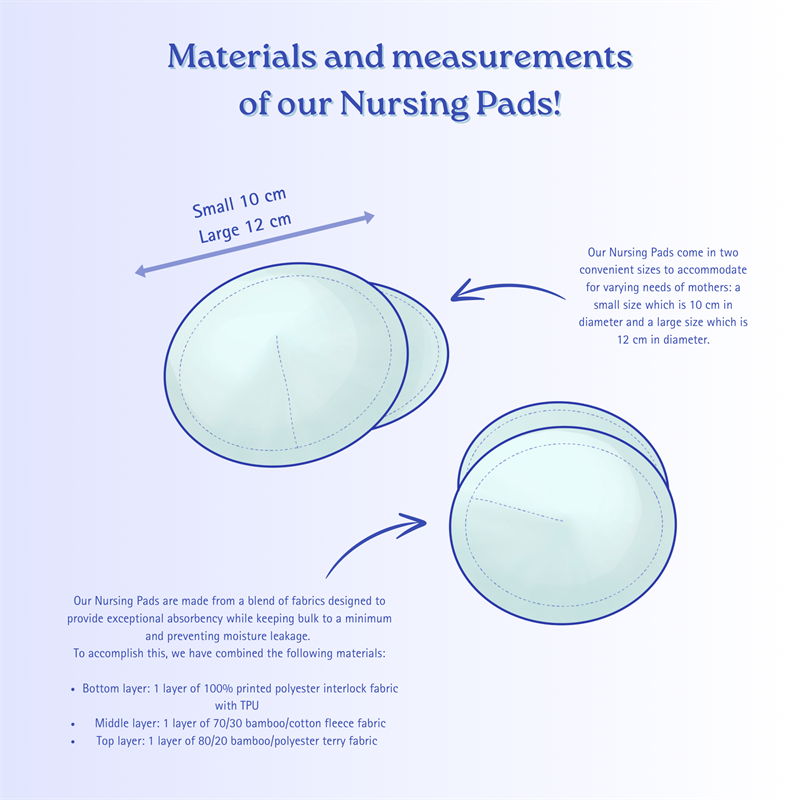
KINGSOO offers reusable nursing pads made from soft, eco-friendly fabrics like bamboo. These pads provide a comfortable fit and excellent absorbency, making them ideal for daily use. They are a sustainable choice for mothers who want to minimize their environmental impact while still enjoying the benefits of nursing pads.
Nursing pads are useful in various situations:
● Early weeks: When your milk supply is still regulating, nursing pads provide protection against frequent leaks.
● Nighttime: If you experience heavy leaks while sleeping, nursing pads prevent dampness and irritation.
● During feedings: One breast often leaks while the baby is nursing on the other side. Nursing pads keep you dry.
● When out and about: Nursing pads help you feel confident by preventing visible milk stains on your clothing.
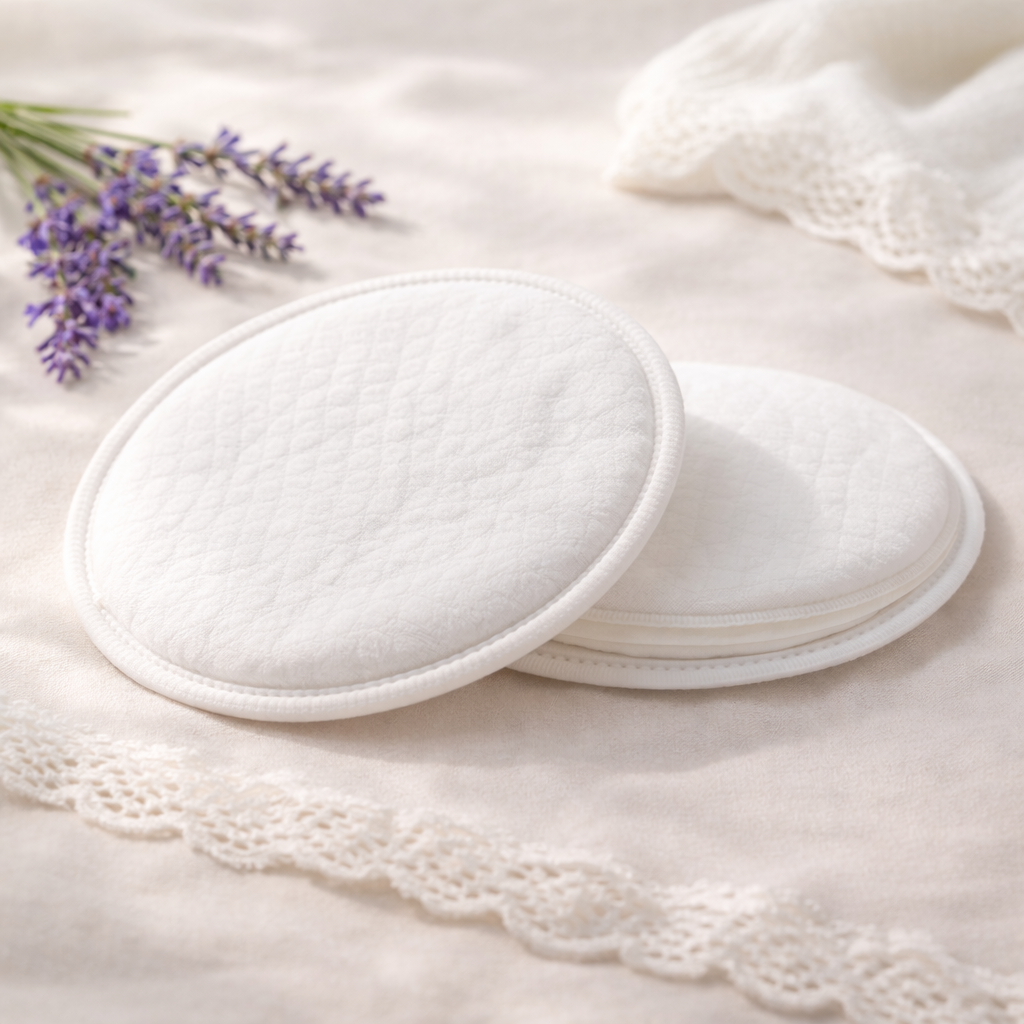
Before using your nursing pad, it's essential to prepare it properly:
1. For disposable pads: Remove it from its wrapper. Peel off the protective sheet covering the adhesive strip, which will help secure the pad inside your bra.
2. For reusable pads: Ensure they are clean and dry. Some reusable pads come with a waterproof backing for added protection against leaks.
To ensure the pad functions properly, place it correctly inside your bra:
● Center the pad over your nipple.
● The soft, absorbent side should face your skin, while the waterproof side should be facing outward to prevent leaks.
Make sure the pad covers the entire nipple and the surrounding area to avoid leaks. Adjust the pad to fit securely for maximum protection.
● For disposable pads: Use the adhesive strips to stick the pad to the inside of your bra. Make sure it's secure, especially if you're active.
● For reusable pads: Simply place the pad inside your bra, ensuring it’s snug but comfortable.
It’s important to change your nursing pad frequently to maintain hygiene and comfort:
● Change pads every 3 to 4 hours, or sooner if you feel damp or notice leakage.
● Check the pad for leaks or dampness, especially after breastfeeding, and replace it if necessary.
Changing your nursing pad regularly prevents bacteria growth and irritation on your skin.
Reusable nursing pads need proper care to maintain their absorbency and softness:
● Wash in warm water using a mild, fragrance-free detergent to avoid skin irritation.
● Avoid fabric softeners, as they can reduce the absorbency of the pads.
● Dry the pads either by air-drying or tumble drying on a low setting.
Proper storage is crucial for keeping your reusable nursing pads clean and fresh for future use. After washing, it’s important to store them in a dry, clean place to maintain their effectiveness. You can use a designated storage bag or box to ensure they remain free from contamination.
When you're out and about, carrying a wet bag is a practical solution for storing used nursing pads temporarily. It keeps the used pads secure and odor-free until you're able to clean them.
Here’s a quick guide to help you store and carry your reusable pads:
Situation | Storage Solution | Additional Tips |
After Washing | Store pads in a clean, dry place such as a storage bag or box. | Keeps pads fresh and ready for future use. |
When Out and About | Carry a wet bag for used pads. | Ensures pads remain secure and odor-free until washed. |
On the Go | Keep a set of clean nursing pads in your diaper bag. | Be prepared at all times, especially when you’re out. |
Always keep a set of clean nursing pads in your diaper bag to ensure you're always prepared when you're on the go.
Nursing pads offer significant comfort, especially during the early weeks when your milk supply is still adjusting. They help reduce the discomfort associated with leaking, providing much-needed relief. By keeping your skin dry, nursing pads also give you peace of mind, allowing you to go about your day without worry or constant adjustments.
When breastfeeding, your skin can become sensitive and prone to irritation. Wetness from milk leaks can cause discomfort or even lead to infections. Nursing pads provide a protective barrier, preventing constant moisture from touching your skin. This helps keep your skin dry and irritation-free, promoting overall comfort.
Wearing nursing pads can help you feel more confident in public. They prevent visible milk stains, ensuring your clothing remains dry and clean, even during unexpected leaks. By discreetly absorbing leaks, nursing pads allow you to maintain a sense of normalcy and keep your confidence intact when you’re out and about.
Benefit | Description |
Comfort | Reduces discomfort from leaking milk. |
Skin Protection | Keeps skin dry, preventing irritation. |
Confidence | Ensures dry clothes, even with leaks. |
When selecting nursing pads, consider the following:
● Absorbency: Choose a pad that can handle the level of leakage you experience.
● Material: Soft fabrics like bamboo or cotton are gentle on sensitive skin.
● Comfort: Look for pads that contour to your body and fit well inside your bra.
When choosing between disposable and reusable nursing pads, there are a few factors to consider. Disposable pads are perfect for convenience and on-the-go use, as they require no cleaning and can be easily replaced when necessary. However, reusable pads, like those from KINGSOO, offer a better value over time and are more eco-friendly, making them a great choice for mothers who want to minimize waste and save money in the long run.
Quick Comparison:
Type | Advantages |
Disposable Pads | Convenient, no cleaning required, great for travel |
Reusable Pads | Eco-friendly, cost-effective long-term, soft on skin |
Tip: If you're looking for long-term comfort and sustainability, reusable nursing pads, like those from KINGSOO, are a great investment.
When using nursing pads, you might have a few questions regarding their use and care. Here are some common queries that can help you make the best choice for your needs.
Question | Answer |
How Often Should I Change My Nursing Pad? | It’s recommended to change your nursing pad every 3 to 4 hours, or sooner if you feel dampness. Frequent changes help maintain hygiene and prevent skin irritation. |
Do Nursing Pads Affect Breastfeeding? | No, nursing pads do not interfere with breastfeeding. In fact, they provide comfort by preventing milk leaks, allowing you to focus on feeding your baby. |
Can Nursing Pads Cause Discomfort? | If you experience discomfort or irritation from nursing pads, it may be due to the material. Consider switching to a different brand, like KINGSOO's soft bamboo pads, to improve your comfort. |
Tip: For added comfort, try using pads made from soft, breathable materials like KINGSOO's bamboo pads.
Nursing pads are essential for managing breast milk leakage, ensuring hygiene, and providing comfort during breastfeeding. Whether you choose disposable or reusable pads, like those from KINGSOO, they can greatly improve your daily routine. By following the right usage and care guidelines, you can enjoy a more comfortable and confident breastfeeding experience. KINGSOO's reusable nursing pads offer eco-friendly solutions with great absorbency and comfort, making them a reliable choice for mothers looking to balance sustainability and convenience.
A: Nursing pads are absorbent pads that fit inside your bra to absorb breast milk leaks. They help keep your clothes dry, maintain hygiene, and prevent skin irritation during breastfeeding.
A: To use nursing pads, simply place them inside your bra with the absorbent side against your skin. For disposable pads, peel off the adhesive and secure them in place. Reusable pads should be positioned snugly and replaced regularly.
A: It’s recommended to change nursing pads every 3 to 4 hours, or sooner if they become damp. This helps maintain hygiene and prevent irritation.
A: Yes, reusable nursing pads are eco-friendly and cost-effective. KINGSOO's reusable nursing pads, made from soft materials like bamboo, offer comfort and high absorbency, making them a great long-term choice.
A: If nursing pads cause discomfort, it could be due to poor fit or material. Try adjusting the pad or switching to a different brand, like KINGSOO, known for their soft, breathable fabric that minimizes irritation.


