
Are you struggling to find the perfect fit for your baby's diaper? A well-fitting diaper is crucial for comfort and preventing leaks. Cloth diapers offer eco-friendly and cost-effective solutions, but understanding how they should fit can be challenging.
In this guide, we’ll explore the essentials of diaper fitting. You’ll learn the key features of cloth diapers, how to determine the right size, and tips for ensuring a snug, comfortable fit for your little one. Let's dive in!
Getting the right fit for your baby’s cloth diaper is crucial. A well-fitted diaper can make a world of difference in your daily routine. It not only enhances your baby’s comfort but also minimizes the chances of leaks and skin irritations. Let’s break down why proper fit matters and how it can benefit both you and your little one.
One of the main reasons for ensuring a snug fit is to prevent leaks. A poorly fitting diaper can lead to blowouts, which means messy outfits and extra laundry. Here are some key points to consider:
● Leg Cuffs: Make sure the leg cuffs are snug against your baby's thighs. This helps to contain any messes.
● Waistband Position: The diaper should sit just below the belly button to ensure it stays in place during movement.
● Adjustability: Many cloth diapers, like those from KINGSOO, come with adjustable features. This allows you to customize the fit as your baby grows.
Comfort is essential for your baby’s happiness. An ill-fitting diaper can restrict movement, making it difficult for them to crawl or walk. Here’s how to ensure comfort:
● Fabric Choice: Choose cloth diapers made from soft, breathable materials. KINGSOO uses organic cotton and bamboo blends, which are gentle on the skin.
● Flexibility: Look for designs that allow for natural movement. A good fit should enable your baby to kick and wiggle without feeling constricted.
● Weight Considerations: Always refer to the weight guidelines provided by the manufacturer. This helps ensure the diaper fits correctly as your baby grows.
A proper fit is vital for maintaining your baby's skin health. Diaper rashes can occur when moisture is trapped against the skin. To avoid this:
● Moisture-Wicking Fabrics: Opt for cloth diapers with moisture-wicking properties. KINGSOO’s AWJ fabric helps keep the skin dry, reducing the risk of rashes.
● Regular Changes: Even the best-fitting diaper needs to be changed regularly. Aim to check the diaper every two to three hours.
● Monitor for Red Marks: After removing the diaper, check for any red marks on your baby’s skin. This could indicate that the diaper was too tight.
Feature | Importance | KINGSOO's Offering |
Leg Cuffs | Prevents leaks and blowouts | Snug fit design |
Moisture-Wicking Fabrics | Keeps skin dry and healthy | AWJ fabric for effective moisture control |
Adjustable Sizing | Grows with your baby, ensuring comfort | Multi-level snaps for a perfect fit |
By focusing on these aspects, you can ensure that your baby's cloth diaper fits well. This not only enhances their comfort but also supports a happier, healthier experience for both of you. Remember, investing time in finding the right fit pays off in the long run.
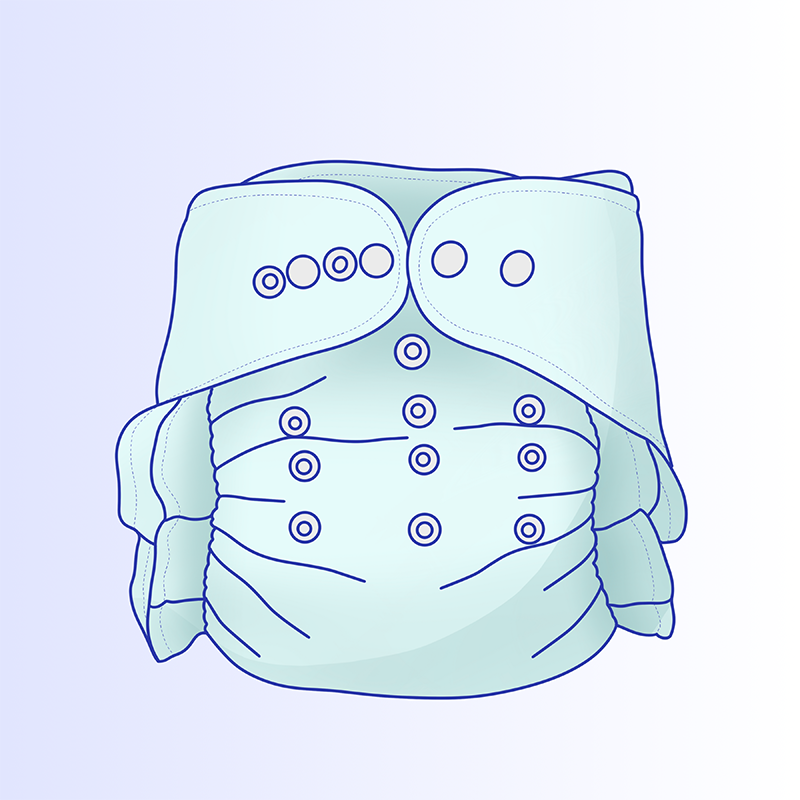
Choosing the right cloth diaper can feel overwhelming. There are various types and materials available, each offering unique benefits. Let’s explore the key features that make cloth diapers a popular choice for parents.
Understanding the different types of cloth diapers is essential for making an informed decision. Here are the main categories:
● All-in-One (AIO) Diapers: These are the most convenient option. They come with built-in absorbency and a waterproof outer layer, making them easy to use. Simply put them on your baby, and you're good to go.
● Pocket Diapers: Pocket diapers have a waterproof outer layer and a pocket for absorbent inserts. This design allows you to customize absorbency based on your baby’s needs. You can adjust it for daytime or nighttime use.
● Fitted Diapers: These diapers are shaped like a traditional diaper but require a cover. They are highly absorbent and provide a snug fit, making them great for overnight use.
● Prefold and Flat Diapers: These are versatile and economical options. Prefold diapers are layered rectangles, while flat diapers are single-layered. Both need a cover, but they can be folded in various ways to suit your baby’s size.
● KINGSOO's AI2 (All-in-Two) Diapers: A standout product in the cloth diaper market, KINGSOO’s AI2 diapers offer customizable absorbency. You can snap in different inserts based on your baby’s needs, making it a flexible choice for parents.
The material of a cloth diaper plays a significant role in its performance and comfort. Here are some common materials used:
● Organic Cotton: Soft and breathable, organic cotton is gentle on your baby's skin. It’s a popular choice for its natural properties and durability.
● Bamboo: This material is highly absorbent and has natural antibacterial properties. Bamboo is also eco-friendly, making it a great choice for environmentally conscious parents.
● Hemp: Known for its incredible absorbency, hemp can hold more liquid than cotton or bamboo. It’s also durable, making it a long-lasting option.
● Synthetic Materials: Many cloth diapers use synthetic fabrics like microfiber or polyester for added absorbency. While effective, it’s essential to ensure these materials are moisture-wicking to keep your baby’s skin dry.
Material | Benefits | KINGSOO's Use |
Organic Cotton | Soft, breathable, and gentle on skin | GOTS certified for safety and quality |
Bamboo | Highly absorbent and antibacterial | Used in various product lines |
Hemp | Extremely absorbent and durable | Integrated into select diaper designs |
Synthetic | Effective for absorbency | Moisture-wicking options available |
Choosing the right cloth diaper involves understanding the types and materials available. Each option has its strengths, and finding the best fit for your baby will enhance their comfort and your convenience. KINGSOO’s commitment to quality ensures that you’re making a wise investment in your baby’s well-being.
Finding the right size for your baby's cloth diaper is essential for comfort and effectiveness. A proper fit can prevent leaks and ensure your baby stays happy. Here’s how to determine the best size for your little one.
Sizing charts are your best friend when it comes to cloth diapers. Most brands, including KINGSOO, provide detailed sizing based on weight and age. Here’s a quick overview:
● Newborn Size: Typically for babies up to 10 pounds.
● Small Size: Suitable for babies weighing 10-20 pounds.
● Medium Size: For babies between 20-30 pounds.
● Large Size: Best for babies over 30 pounds.
Accurate measurements are crucial. Weigh your baby regularly and refer to the sizing chart provided by the manufacturer. This ensures you’re selecting the right size, especially during growth spurts. A well-fitted cloth diaper should sit snugly without being too tight.
Sometimes, even with the right measurements, you may need to adjust the size based on your baby’s comfort. Here are some signs to watch for:
● Red Marks on Skin: If you notice red marks on your baby’s thighs or waist, it indicates the diaper is too tight. This can lead to discomfort and potential skin irritation.
● Frequent Leaks: If you find yourself changing clothes due to leaks, the diaper may be too small. A properly fitting cloth diaper should contain messes effectively without overflow.
● Sagging Diapers: If the diaper hangs low or appears saggy, it’s likely too large. This can cause leaks and discomfort, as it won’t stay in place during movement.
To illustrate these points, let’s look at some customer feedback on KINGSOO products. Parents often praise the adjustable sizing features, which allow them to find the perfect fit as their baby grows. Many report that the snug fit of KINGSOO diapers prevents leaks while keeping their babies comfortable.
Sign of Poor Fit | Indication | Recommended Action |
Red Marks on Skin | Diaper is too tight | Consider a larger size |
Frequent Leaks | Diaper is too small | Move up to the next size |
Sagging Diapers | Diaper is too large | Try a smaller size or adjust fit |
By paying attention to these signs and using the sizing guidelines, you can ensure your baby wears the right cloth diaper. This not only enhances their comfort but also makes your parenting journey smoother.
Fitting a cloth diaper correctly is essential for your baby's comfort and to prevent leaks. Here’s a step-by-step guide to help you achieve the perfect fit.
Getting the waist fit right is crucial for stability. Here’s how to position the diaper:
● Positioning the Diaper: Place the diaper snugly around your baby’s waist, ensuring it sits just below the belly button. This helps keep it in place during movement.
● Tightness Standards: Use the two-finger rule to check the fit. You should be able to slide two fingers between the diaper and your baby’s skin without excessive tightness. If it’s too tight, it can cause discomfort and irritation.
● Adjustable Closure Systems: Many cloth diapers, like those from KINGSOO, feature adjustable snaps or Velcro. This allows you to customize the fit as your baby grows. Make sure to adjust the closures for a secure fit that still allows for movement.
The leg area is another critical point for achieving a good fit. Here’s what to look for:
● Snug but Not Too Tight: Ensure the leg cuffs are snug against your baby’s thighs. They should fit comfortably without leaving red marks. A proper fit here helps prevent leaks.
● Importance of Leak Guards: Check the positioning of the leak guards. These are designed to catch any messes and should sit flush against your baby’s skin. If they’re not positioned correctly, leaks can occur.
● KINGSOO’s Design Features: KINGSOO diapers often include special design elements, like elastic leg openings, which help prevent leakage while allowing for comfort. These features are essential for active babies who move around a lot.
Full coverage of the hip area is vital for leak prevention. Here’s how to ensure it fits correctly:
● Full Coverage: The diaper should cover the entire hip area. This prevents leaks and ensures your baby stays dry. If you notice any gaps, it may indicate that the diaper is too small.
● Adjusting for Different Sizes: Babies come in all shapes and sizes, so it’s important to adjust the diaper accordingly. Use the adjustable features to ensure a snug fit around the hips.
● Folding Techniques: For trifold and preflat styles, proper folding is key. Make sure to fold the diaper in a way that maximizes absorbency while still fitting snugly around the hips. This can make a significant difference in performance.
Fit Aspect | Key Considerations | KINGSOO Features |
Waist Fit | Snug below the belly button, two-finger rule | Adjustable snaps for a custom fit |
Leg Fit | Snug cuffs without red marks | Elastic openings to prevent leaks |
Hip Coverage | Full coverage to prevent leaks | Design elements for better fit |
By following these steps, you can ensure that your baby's cloth diaper fits correctly. This not only enhances their comfort but also makes for a more enjoyable experience for both of you.

Fitting a cloth diaper correctly is essential for your baby's comfort and hygiene. However, many parents make common mistakes that can lead to discomfort or leaks. Here’s what to watch out for when fitting cloth diapers.
One of the most frequent errors is over-tightening the diaper. While it’s important to have a snug fit, too much tightness can cause several issues:
● Consequences of Overly Tight Fits: An overly tight diaper can lead to red marks on your baby’s skin, which may cause irritation or rashes. Additionally, it restricts movement, making it uncomfortable for your little one to crawl or play.
● KINGSOO’s Design Philosophy: KINGSOO prioritizes comfort in its diaper designs. Their adjustable systems allow for a secure fit without compromising on comfort. By following the two-finger rule, you can ensure the diaper is snug but not too tight.
Another common mistake is insufficient coverage. This can lead to leaks and discomfort for your baby. Here’s what you need to know:
● Risks Associated with Insufficient Coverage: If the diaper doesn’t cover the entire hip area, it increases the chances of leaks. This can lead to messy situations and extra laundry, which no parent wants to deal with.
● Proper Fit Tips: Always check that the diaper fully wraps around the hips. If you see gaps, adjust the fit using the adjustable features. This will help contain messes and keep your baby comfortable.
Babies grow quickly, and their needs change just as fast. Many parents overlook the importance of adjusting the fit as their baby grows:
● Importance of Adjusting Fit: As your baby gains weight or changes shape, the diaper fit may no longer be appropriate. Regularly check the fit and make adjustments as needed to ensure optimal comfort and effectiveness.
● Feedback from Parents: Many parents using KINGSOO products report that their adjustable designs make it easy to adapt to their baby's growth. This flexibility helps maintain a perfect fit throughout various stages of development.
Common Mistake | Consequences | Recommended Action |
Over-tightening | Skin irritation, restricted movement | Use the two-finger rule for fit |
Under-coverage | Increased leaks, messy situations | Ensure full coverage around hips |
Ignoring Growth | Improper fit, discomfort | Regularly adjust fit as baby grows |
By avoiding these common mistakes, you can ensure that your baby's cloth diaper fits well, providing comfort and preventing leaks. Paying attention to these details makes a significant difference in your parenting journey.
Proper fit is crucial for your baby's comfort and hygiene. A well-fitted cloth diaper prevents leaks and skin irritation.
Parents should experiment with different fits and styles to find what works best.
Remember to check the fit regularly as your baby grows.
With these tips, you can ensure a happy, comfortable experience for your little one.
A: Change your baby's cloth diaper every 2 to 3 hours, or immediately after soiling.
A: Cloth diapers can cause rashes if not changed frequently or if they are too tight.
A: Start by using cloth diapers part-time and gradually increase their use as you get comfortable.
A: Yes, cloth diapers can save money over time and are better for the environment.
A: Look for certifications like OEKO-TEX Standard 100, which ensures safety and quality, as seen in KINGSOO products.


