- All
- Product Name
- Product Keyword
- Product Model
- Product Summary
- Product Description
- Multi Field Search
English

Author: Site Editor Publish Time: 2026-02-27 Origin: Site
How many times can you pee before an adult diaper stops doing its job? This question may sound simple, yet it affects comfort, hygiene, and confidence every day. For people managing incontinence, mobility limits, or long overnight rest, guessing is not enough. Using an adult diaper the wrong way can lead to leaks, skin irritation, or unnecessary changes.
In this article, we focus on one clear issue: how many times you can pee in an adult diaper and why it matters. We explain what affects absorbency, how usage differs during the day and night, and how to judge the right time to change. By the end, you will know how to use adult diapers more safely, comfortably, and efficiently.
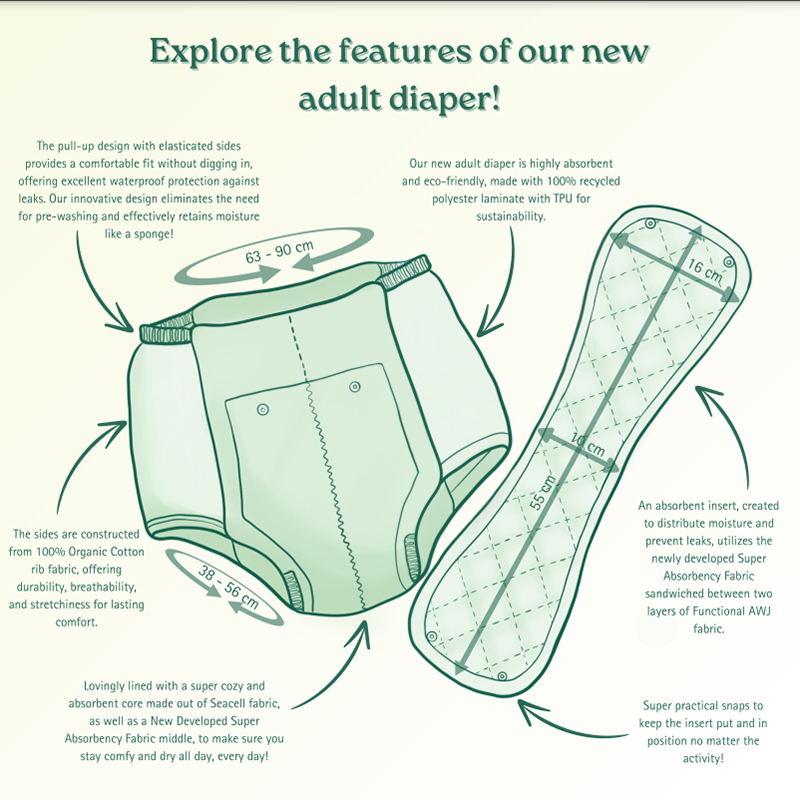
Adult diapers are absorbent garments worn by adults to manage incontinence, whether urinary or fecal. These products are designed to trap moisture and prevent leaks, offering a high level of comfort and hygiene. Adult diapers come in various styles, including:
● Pull-up style: Resembling regular underwear, these are easy to put on and take off, ideal for active users.
● Tape-style: These are fastened with adhesive tabs, making them adjustable and more suitable for bedridden individuals.
Absorbency determines how much urine an adult diaper can hold before it feels wet or leaks. Most adult diapers use layered absorbent cores made from fluff pulp and super-absorbent polymers. These materials pull liquid away from the skin and lock it inside.
Below is a simplified view of common absorbency levels:
Diaper Type | Typical Absorbency Range |
Standard adult diaper | 1000–1200 ml |
Medium absorbency | 1300–1500 ml |
High absorbency / reinforced | 1700–2000 ml |
Absorbency numbers show maximum laboratory capacity. Real-world use always feels different, because movement, body position, and void size affect performance.
Factor | Key Impact | Typical Range |
Absorbency level | Determines how many voids a diaper can handle | 2–4 (standard), 5–7 (high absorbency) |
Urine output | Affects how fast the diaper becomes saturated | ~300–500 ml per void |
Health conditions | Increases frequency or volume of urination | Requires more frequent checks |
The absorbency level of a diaper directly impacts how many times it can be used before a change is needed. Standard adult diapers may handle around 2-4 voids, while high-absorbency diapers can handle up to 5-7 voids, making them ideal for overnight or long-term use. The absorbency capacity ensures that the user remains dry, preventing leakage or discomfort.
An individual's urine output plays a significant role in determining how often an adult diaper needs to be changed. On average, an adult typically excretes around 300-500 ml of urine per void. If a person has high urine output, the diaper will saturate more quickly, and a change will be necessary after fewer voids.
Certain health conditions, such as urinary incontinence or diabetes, can lead to increased urine output or more frequent urination. In such cases, the diaper's absorbency must be considered when determining how often it should be changed. For people with excessive urination, frequent checks and changes are necessary to maintain hygiene and avoid skin irritation.
Most standard adult diapers manage 2–4 full voids comfortably. High-absorbency options often manage 5–7 voids, sometimes more under ideal conditions. These numbers assume average void size and proper fit.
The table below connects diaper type to typical usage expectations:
Adult Diaper Category | Typical Pee Count |
Standard daytime diaper | 2–3 times |
Medium absorbency | 3–4 times |
High absorbency / overnight | 5–7 times |
These are not strict limits. Comfort, odor, and skin condition always come first. Even if a diaper still absorbs, it may feel heavy or warm, signaling a change is needed.
Overnight diapers are designed for extended use, typically offering 12-16 hours of leakage protection. These diapers have higher absorbency, making them ideal for individuals who may not be able to change their diaper during the night. On the other hand, daytime diapers are generally designed for 10-12 hours of use, with more frequent changes recommended to ensure comfort and skin health.
Tip: When choosing a diaper, consider the specific needs (overnight vs. daytime) to ensure maximum comfort and absorbency. KINGSOO provides high-quality diapers tailored for both daytime and overnight use.
There is no single schedule that fits everyone. Still, practical rules help. Many caregivers follow a 4–6 hour daytime check cycle and change after 2–3 voids, even if the diaper can hold more. This reduces skin exposure to moisture and keeps users comfortable.
For overnight use, changing occurs in the morning unless a bowel movement happens earlier. Fecal matter requires immediate changing to prevent irritation and bacterial growth.
Below is a simple reference approach:
Situation | Recommended Action |
Light daytime use | Check every 4–6 hours |
Heavy urine output | Change after each void |
Overnight sleep | Change in the morning |
Bowel movement | Change immediately |
It's essential to recognize the signs that a diaper is saturated and needs to be changed. These include:
● The diaper feeling heavy or swollen
● Visible wetness or leaks
● Skin irritation or redness in the diaper area
● An unpleasant odor
Tip: Check the diaper regularly, even if there are no visible signs of leakage, to avoid discomfort or potential skin issues.
Risk Type | Main Cause | Result |
Skin irritation | Prolonged moisture contact | Rashes or infection |
Urinary tract infection | Wearing a wet diaper too long | Increased UTI risk |
Discomfort and odor | Saturated absorbent core | Reduced comfort and confidence |
Prolonged exposure to moisture from an adult diaper can lead to skin irritation or rashes over time. Moisture creates a favorable environment for bacteria and fungi, which may trigger infections and redness. For this reason, it is essential to change diapers frequently, especially once they become saturated or feel warm.
Wearing a wet diaper for an extended period increases the risk of developing urinary tract infections (UTIs). This risk is higher for individuals who are bedridden or have limited mobility. Regular diaper changes help reduce bacterial growth and support better skin and urinary health.
A saturated diaper can cause unpleasant odors and physical discomfort, which may affect the user’s confidence and daily quality of life. Using high-absorbency diapers, such as those from KINGSOO, helps keep the surface drier for longer periods and reduces odor buildup between changes.
Choosing the right adult diaper starts with understanding your daily usage needs and comfort expectations. Different situations require different features, so evaluating key elements helps narrow down the best option. Brands like KINGSOO offer multiple solutions designed to match these practical considerations.
● Absorbency level
Determines how much urine the diaper can hold before needing a change, especially important for overnight or long wear.
● Fit and sizing
A proper fit reduces leaks and improves comfort during movement or rest.
● Comfort and materials
Breathable, skin-friendly fabrics help reduce heat buildup and irritation during extended use.
Standard adult diapers work well for light to moderate needs. Premium diapers focus on higher absorbency, better odor control, and improved comfort over longer periods. They often cost more but reduce changes and labor.
The comparison below highlights key differences:
Feature | Standard Adult Diaper | Premium Adult Diaper |
Absorbency | Moderate | High |
Change frequency | Higher | Lower |
Skin comfort | Basic | Enhanced |
Best use | Short daytime wear | Overnight or heavy use |
Many facilities choose premium options from manufacturers like KINGSOO to improve care efficiency and user satisfaction.
Understanding how many times you can pee in an adult diaper helps users choose wisely. Absorbency, urine volume, and health needs decide how often changes are required. Regular changing protects skin and improves daily comfort.
High-quality options matter. KINGSOO adult diapers offer strong absorbency for daytime and overnight use. Their design supports comfort, hygiene, and reliable protection for people with ongoing care needs.
A: Absorbency level, urine output, body position, and health conditions all affect how long an adult diaper lasts before it needs changing.
A: An adult diaper lasts based on absorbency level, urine amount, body movement, and whether it is used during the day or overnight.
A: To prevent leaks, choose the right size adult diaper, secure it properly, and change it once it feels heavy or uncomfortable.
A: Waiting too long can cause skin irritation and odor. Changing an adult diaper earlier helps protect skin health and comfort.
A: Although they cost more, a high-quality adult diaper often reduces change frequency, which can lower overall care costs.
A: If an adult diaper leaks quickly, check sizing and fit, then consider switching to a higher absorbency or overnight model.


