- All
- Product Name
- Product Keyword
- Product Model
- Product Summary
- Product Description
- Multi Field Search
English

Do smelly diapers make you cringe? You're not alone! Many parents struggle with this common issue.
Cloth diapers can sometimes develop unpleasant odors, causing frustration. Addressing this problem is essential for maintaining a fresh environment for your baby.
In this post, we’ll explore the causes of smelly cloth diapers and provide effective solutions. You’ll also learn about KINGSOO, a trusted brand offering innovative products to tackle these odor challenges.
Smelly cloth diapers can be a real headache for parents. Understanding the causes behind these odors is crucial for effective management. Let's break it down into common odor types and the factors contributing to them.
When it comes to smelly cloth diapers, there are three primary odor types:
● Ammonia Smell: This sharp, pungent odor often arises from urine that has been left too long. When urine breaks down, it releases ammonia, which can irritate your baby’s skin. If you notice this smell, it’s usually a sign that the diaper needs changing or that the washing routine needs adjustment.
● Barnyard Smell: This odor resembles manure and indicates that fecal matter hasn’t been fully cleaned from the diaper. It often occurs when diapers are not washed thoroughly or are stored improperly. This smell can be particularly stubborn, making it essential to address washing techniques.
● Rotten Egg Smell: If your cloth diapers emit a sulfur-like odor, it’s likely due to bacteria thriving in moist environments. This smell often signals that the diapers have not been dried properly or have been stored too long without cleaning.
Several factors contribute to the unpleasant smells associated with cloth diapers:
● Urine and Bacteria: Urine contains urea, which breaks down into ammonia when left in the diaper. Bacteria feed on this breakdown, causing odors to intensify. Regular changes and proper washing can help mitigate this issue.
● Improper Washing: If diapers aren’t washed correctly, residues can build up over time. Insufficient detergent, low wash temperatures, or skipping rinses can all contribute to lingering odors. It’s crucial to follow a proper washing routine to keep cloth diapers fresh.
● Storage Conditions: Storing soiled diapers in airtight containers can trap moisture and odors. Instead, use breathable bags or pails that allow air circulation. This helps prevent bacteria growth, keeping odors at bay.
● Dietary Influences: A baby's diet can significantly impact diaper odor. For instance, certain foods can lead to stronger-smelling waste. If your baby has started solids, you might notice a change in odor. Monitoring their diet can help you anticipate changes in diaper smell.
KINGSOO’s cloth diapers are designed with advanced materials to combat odors effectively. Their use of eco-friendly fabrics such as GOTS certified organic cotton and bamboo blends enhances breathability, reducing moisture retention. These materials not only help in managing odors but also ensure comfort for your baby.
Odor Type | Cause | Solution |
Ammonia Smell | Urine breakdown | Change diapers frequently, adjust washing routine |
Barnyard Smell | Incomplete cleaning of fecal matter | Ensure thorough washing and proper storage |
Rotten Egg Smell | Bacteria in moist environments | Dry diapers completely, store properly |
By understanding these causes and implementing the right practices, you can keep your cloth diapers smelling fresh and pleasant. With a little attention to washing routines and storage methods, you can make diapering a more enjoyable experience for both you and your baby.
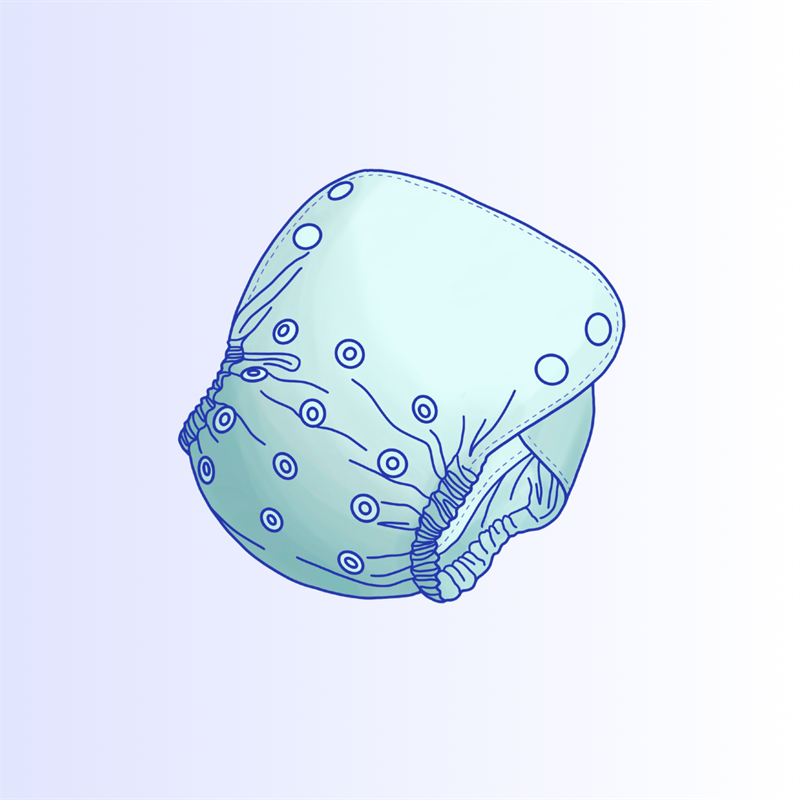
Preventing smelly cloth diapers is all about taking the right steps in washing, storage, and material selection. Here’s how you can keep odors at bay effectively.
Washing your cloth diapers correctly is crucial. Here are some tips to follow:
● Recommended Washing Frequency: Aim to wash your cloth diapers every 2-3 days. This helps prevent odors from developing. The longer you wait, the more bacteria can build up.
● Ideal Washing Temperatures: Use hot water (around 60°C or 140°F) for washing. This temperature helps to break down residues and kill bacteria effectively. However, always check the care labels on your diapers.
● Detergent Types: Choose a detergent specifically designed for cloth diapers. Avoid fabric softeners and bleach, as they can leave residues or irritate your baby’s skin. KINGSOO recommends using their specially formulated detergent for optimal results.
● Rinsing and Stripping: Always rinse diapers thoroughly after washing. If you notice lingering odors, consider stripping them occasionally. This process removes built-up detergent and bacteria.
How you store soiled diapers can significantly impact odor control. Consider these practices:
● Best Practices for Storing Soiled Diapers: Use a wet bag or a diaper pail with a lid. These options keep odors contained while allowing some airflow.
● Breathable Bags and Containers: Opt for breathable materials rather than airtight ones. This helps prevent moisture buildup, which can lead to unpleasant smells.
● Timely Changes: Change diapers promptly. The longer a diaper sits, the more likely it is to develop odors. A good rule of thumb is to change your baby every 2-3 hours during the day.
The materials used in cloth diapers play a vital role in odor management:
● Eco-Friendly and Breathable Fabrics: Look for diapers made from natural fibers. They not only reduce odors but are also better for the environment.
● Material Choice and Odor Retention: Synthetic materials can trap odors more than natural fabrics. Thus, selecting the right fabric is essential for keeping things fresh.
● KINGSOO’s Innovative Use of Materials: KINGSOO uses GOTS certified organic cotton and bamboo blends, which enhance breathability and help reduce odors. These materials allow for better airflow, minimizing moisture retention.
Material Type | Advantages | Odor Control Effectiveness |
Organic Cotton | Soft, breathable, and hypoallergenic | High |
Bamboo Blends | Naturally antibacterial and moisture-wicking | Very High |
Synthetic Fabrics | Durable but can trap odors | Low |
By implementing these washing techniques, storage solutions, and selecting the right materials, you can significantly reduce the chances of encountering smelly cloth diapers. A little effort goes a long way in ensuring a fresher experience for both you and your baby.
If you’re facing issues with smelly cloth diapers, don’t worry. There are effective solutions to tackle those pesky odors. Let’s explore deep cleaning methods and specialized products that can help restore freshness.
Deep cleaning your cloth diapers is essential when odors persist. Here’s a straightforward guide to get them smelling fresh again:
1. Preparation: Start by gathering your supplies. You’ll need:
● Hot water
● A washing machine
● Natural remedies like vinegar and baking soda
2. Pre-soak: Fill your washing machine with hot water and add a cup of vinegar. Let the diapers soak for at least 30 minutes. Vinegar helps break down residues and neutralize odors.
3. Wash: After soaking, run a normal wash cycle using hot water. Add a suitable cloth diaper-safe detergent. KINGSOO recommends using their specially formulated detergent for best results.
4. Baking Soda Boost: For extra odor-fighting power, add half a cup of baking soda during the rinse cycle. This natural remedy helps lift stubborn smells.
5. Drying: Always dry your cloth diapers thoroughly. Sun drying is ideal as it naturally deodorizes and sanitizes the fabric. If using a dryer, ensure it’s on a low heat setting to avoid damaging the materials.
KINGSOO’s innovative designs make cleaning easier. Their cloth diapers are made from materials that resist staining and odors, simplifying your maintenance routine.
In addition to deep cleaning, specialized products can help manage odors effectively. Here’s what to consider:
● Odor Neutralizing Products: Look for products specifically designed to neutralize odors in cloth diapers. These can include:
○ Odor sprays
○ Deodorizing powders
○ Natural enzyme cleaners
● Cloth Diaper-Safe Detergents: Choose detergents that are free from harsh chemicals and fragrances. They should be effective in cleaning while being gentle on your baby’s skin. KINGSOO’s detergent is formulated to tackle odors without compromising fabric integrity.
● Continuous Innovation: KINGSOO is committed to developing materials and processes that combat odor. Their products are designed to enhance breathability and reduce moisture retention, which are crucial in preventing odors from forming.
Product Type | Key Benefits | Recommendations |
Odor Neutralizing Sprays | Instantly neutralizes odors | Use after washing |
Deodorizing Powders | Absorbs moisture and odors | Sprinkle during washing |
Natural Enzyme Cleaners | Breaks down organic matter causing odors | Ideal for deep cleaning |
KINGSOO Detergent | Safe for baby skin, effective in odor removal | Best for regular use |
By implementing these deep cleaning methods and utilizing specialized products, you can effectively eliminate odors from cloth diapers. Keeping them fresh not only enhances your baby’s comfort but also makes diapering a more pleasant experience for you.
Keeping cloth diapers smelling fresh throughout the day involves a few simple yet effective practices. By focusing on timely changes and optimizing drying techniques, you can significantly reduce odors.
Changing diapers frequently is key to preventing odors. Here are some essential tips:
● Change Frequency: Aim to change your baby’s cloth diaper every 2-3 hours during the day. This helps prevent urine and feces from breaking down and causing unpleasant smells.
● Recognizing Signs: Pay attention to signs that your baby needs a change. If they seem uncomfortable or fussy, it might be time for a fresh diaper.
● Managing Changes During Outings: When you’re out and about, having a plan for diaper changes is crucial. Here are some best practices:
○ Pack Essentials: Always carry a well-stocked diaper bag. Include extra diapers, wipes, and a changing pad.
○ Choose Convenient Locations: Look for family-friendly places with changing facilities. If you’re in a pinch, a clean flat surface can work too.
○ Stay Organized: Use separate compartments in your diaper bag to keep clean and dirty diapers separate.
Proper drying of cloth diapers is just as important as washing them. Here’s how to do it right:
● Drying Methods: There are two main methods for drying cloth diapers: sun drying and machine drying.
○ Sun Drying: This method is highly effective. The sun’s UV rays naturally deodorize and sanitize the fabric. Plus, it’s energy-efficient!
○ Machine Drying: If you choose to use a dryer, opt for a low heat setting. High temperatures can damage the fabrics and reduce their lifespan.
● Durability of KINGSOO Cloth Diapers: One of the standout features of KINGSOO’s cloth diapers is their durability. They withstand multiple wash and dry cycles without losing effectiveness. This means you can rely on them for long-term use, keeping odors at bay while ensuring your baby stays comfortable.
Drying Method | Benefits | Considerations |
Sun Drying | Natural deodorization, energy-efficient | Weather-dependent |
Machine Drying | Quick and convenient | Use low heat to avoid damage |
By incorporating these daily tips into your routine, you’ll find it easier to maintain fresh-smelling cloth diapers. Regular changes and proper drying techniques go a long way in ensuring a pleasant experience for both you and your baby.

While occasional odors from cloth diapers are normal, persistent or unusual smells can sometimes signal underlying health issues. Being aware of these signs can help you determine when to consult a pediatrician.
Certain odors from your baby’s cloth diaper can indicate potential health concerns. Here’s what to watch for:
● Strong Ammonia Odor: If you notice an unusually strong ammonia smell, it might suggest dehydration. This can happen if your baby isn’t drinking enough fluids. Keep an eye on their wet diaper count; fewer than six wet diapers a day can be a red flag.
● Foul or Unusual Odors: A foul smell, similar to rotten eggs, could indicate a gastrointestinal issue. Conditions like a stomach virus or food intolerance can lead to changes in stool odor. If the smell persists or is accompanied by other symptoms, it’s time to seek advice.
● Rashes or Discomfort: If your baby develops rashes or seems uncomfortable, it could be related to the diaper odor. Persistent redness or irritation might signal an allergic reaction or sensitivity to materials or products used in the diapering process.
If you observe any of the following, consider reaching out to your pediatrician:
● Persistent Odors: If the odor from your cloth diaper doesn’t improve despite proper washing and care, it may be worth discussing with a healthcare professional.
● Accompanying Symptoms: If your baby displays any additional symptoms, such as fever, vomiting, diarrhea, or a drastic change in appetite, these could be signs of an underlying health issue.
● Changes in Diaper Output: Significant changes in your baby’s diaper output, such as fewer wet diapers or unusual stool consistency, warrant a conversation with your pediatrician.
Encouraging parents to observe their baby’s health in relation to diaper usage is crucial. Keep a log of:
● Diaper Changes: Note the frequency and type of diaper changes throughout the day.
● Odor Changes: Record any changes in odor and the circumstances surrounding them.
● Health Symptoms: Document any other health symptoms that arise during diaper changes.
Sign to Observe | Possible Concern | Action to Take |
Strong ammonia smell | Dehydration | Increase fluid intake, consult pediatrician if no improvement |
Foul, rotten egg odor | Gastrointestinal issues | Monitor for other symptoms, seek medical advice if persistent |
Persistent rashes | Allergic reactions or sensitivity | Consult pediatrician for alternatives or treatments |
By being vigilant and proactive, you can ensure your baby’s health remains a priority while using cloth diapers. Remember, it’s always better to err on the side of caution when it comes to your little one’s well-being.
In this article, we discussed common causes of smelly cloth diapers and effective solutions. Regular changes, proper washing, and optimal drying techniques are essential.
We encourage parents to adopt these best practices for better diaper care. Share your experiences and tips in the comments.
Remember, KINGSOO is here as your trusted partner, offering high-quality cloth diaper solutions for your family.
A: Yes, certain foods can change the odor of your baby's stool, affecting diaper smell.
A: Wash cloth diapers every 2-3 days to prevent odors and bacteria buildup.
A: Use cloth diaper-safe detergents, like KINGSOO’s, free from harsh chemicals and fragrances.
A: Deep clean with vinegar and baking soda, and ensure thorough drying.
A: Sun drying and using baking soda during washing can help neutralize odors naturally.


