- All
- Product Name
- Product Keyword
- Product Model
- Product Summary
- Product Description
- Multi Field Search
English

Author: Site Editor Publish Time: 2026-08-30 Origin: Site
Selecting the wrong incontinence product leads to chronic leaks, skin breakdown, and caregiver burnout. When facing daily hygiene challenges, you need reliable protection and clear guidance. We must address the terminology gap first. Confusing terms like "briefs," "diapers," and "pull-ons" complicate shopping. Overcoming this confusion reduces the emotional weight of transitioning to absorbent products. The ultimate goal involves balancing user dignity and independence alongside clinical realities. You must consider absorbency volume, mobility level, and caregiver assistance. This article serves a specific purpose. We provide an evidence-based, objective evaluation framework. You will learn how to definitively choose between pull-ups and tab-style diapers based on specific use cases. We outline sizing rules, absorbency limits, and skin health practices. By understanding your unique mobility and leakage requirements, you eliminate guesswork entirely. This proactive approach restores peace of mind for both users and caregivers.
Mobility is the primary deciding factor: Adult pull-ups require the user to stand and balance; tab-style diapers are designed for easy application while lying down or sitting.
Absorbency limits dictate overnight safety: Tab-style diapers generally offer higher liquid capacity and superior leak guards for heavy or bowel incontinence.
Customization prevents leaks: Tab-style diapers allow for adjustable leg and waist sizing, accommodating unique body shapes better than the fixed elastic of pull-ups.
Supplemental products extend utility: Incorporating adult diaper liners or switching to adult cloth diapers can solve specific cost, capacity, or skin sensitivity issues.
Many people feel overwhelmed by the sheer variety of incontinence supplies. Medical supply catalogs frequently use confusing terminology. Let us clarify the exact structural differences to simplify your selection process.
Manufacturers design these items to look and feel exactly like standard underwear. They feature a seamless, fully elastic waistband. You step into them and pull them up over your legs. This specific design mimics traditional dressing routines. It offers significant psychological comfort for active users. When you need to remove them, you simply tear the side seams apart. This tear-away feature makes disposal quick and hygienic. People often call them pull-ons or adult diaper pants in retail pharmacy settings.
Clinicians usually refer to these garments as adult briefs. They feature an open-side design. You do not step into them. Instead, you wrap them around the user. You then secure the front and back panels together using adjustable adhesive or hook-and-loop tabs. This mechanical difference remains crucial. It changes how caregivers apply the product entirely. It also determines how tightly you can secure the leg gathers. You can open and reattach the tabs multiple times to achieve a custom fit.
This style prioritizes normalcy and discretion. Ideal use cases primarily include ambulatory users. People managing stress or urge incontinence benefit greatly from this design. They work exceptionally well for individuals attending physical therapy. They suit anyone maintaining an active, mobile lifestyle.
Promotes Dignity: They let users retain full independence in the bathroom. They feel just like regular cloth underwear.
Faster Bathroom Trips: If you have bowel control but experience minor bladder leaks, they allow rapid, unassisted toilet usage.
Discreet Profile: They offer a slimmer profile. You can wear them discreetly under jeans, dresses, or everyday clothing without visible bulk.
However, pull-ups present distinct drawbacks in clinical settings. They pose a very high risk of leaks for heavy or surge incontinence. Their core usually contains a lower Super Absorbent Polymer (SAP) capacity. Furthermore, they require you to completely remove your shoes and pants for changes. This presents a severe limitation in public restrooms. You must undress completely in a small stall. It also creates safety risks for rigid-mobility users. You must balance on one leg to dress. If you cannot bear weight safely, pull-ups become a serious fall hazard.
When examining adult pull-ups vs tab-style diapers, the latter design excels in heavy-duty care scenarios. Ideal use cases include bedbound individuals and wheelchair users. They offer necessary security for overnight wear. They effectively manage heavy bowel incontinence. Patients with severe cognitive decline, such as advanced dementia, rely heavily on this open-side design.
Caregiver Efficiency: You can change a tab-style brief without the user standing up. You do not need to remove lower garments completely. This saves time and drastically reduces caregiver back strain.
Customizable Fit: Tabs allow micro-adjustments for asymmetrical body shapes. You can tighten the top tabs differently than the bottom tabs. This precision eliminates gaps and reduces leg-gather leaks.
Maximum Capacity: They feature thicker absorbent cores. They include robust standing leak guards. They handle multiple heavy voids effortlessly throughout the night.
Their bulky appearance can occasionally impact user confidence. They show more prominently under tight clothing. Furthermore, caregivers face a slight learning curve. You must achieve the correct snugness during application. If you apply them too tightly, the stiff edges cause skin friction and redness. If you leave them too loose, gravity causes instant leaks. Proper training eliminates these issues quickly.
We recommend a structured, evidence-based approach. Use this four-point framework to evaluate your specific caregiving needs.
Assess Mobility Level: Can the user bear weight on their legs safely for one to two minutes? If yes, select pull-ups. If no, choose tabs.
Evaluate Incontinence Volume and Type: Determine exactly what you are managing. Are you dealing with light to moderate urinary voids? Pull-ups handle this well. Do you face heavy bladder or bowel incontinence? Tabs provide the necessary structural containment.
Determine Caregiver Involvement: Consider the daily toileting routine. Is the user self-toileting? Does a caregiver perform 100% of the changes? Tab-style products remain essential for assisted care.
Monitor Skin Health: Some users are highly prone to Incontinence-Associated Dermatitis (IAD). Tab-style briefs allow for easier barrier cream application. They enable more frequent, low-friction changes while the patient remains in bed.
Evaluation Criteria | Pull-Ups | Tab-Style Diapers |
|---|---|---|
Mobility Required | High (Standing & Balancing) | Low (Lying down or Sitting) |
Caregiver Friendly | Low | High |
Absorbency Level | Light to Moderate | Moderate to Maximum |
Bowel Containment | Poor to Moderate | Excellent |
Common Mistakes: Do not assume thicker always means better. An improper fit causes far more leaks than inadequate core absorbency. Focus on the waist-to-hip measurements first.
Sometimes a primary garment needs a specialized boost. You do not always have to switch brands entirely. You can modify your current setup using smart supplemental products.
You can learn how to use adult diaper liners inside pull-ups or tabs. These booster pads actively increase liquid capacity. You do not have to change the primary garment as frequently. Ensure your liners are strictly flow-through designs. Do not use plastic-backed maxi pads. A plastic backing blocks liquid from reaching the outer diaper core. This causes rapid overflow leaks at the leg gathers.
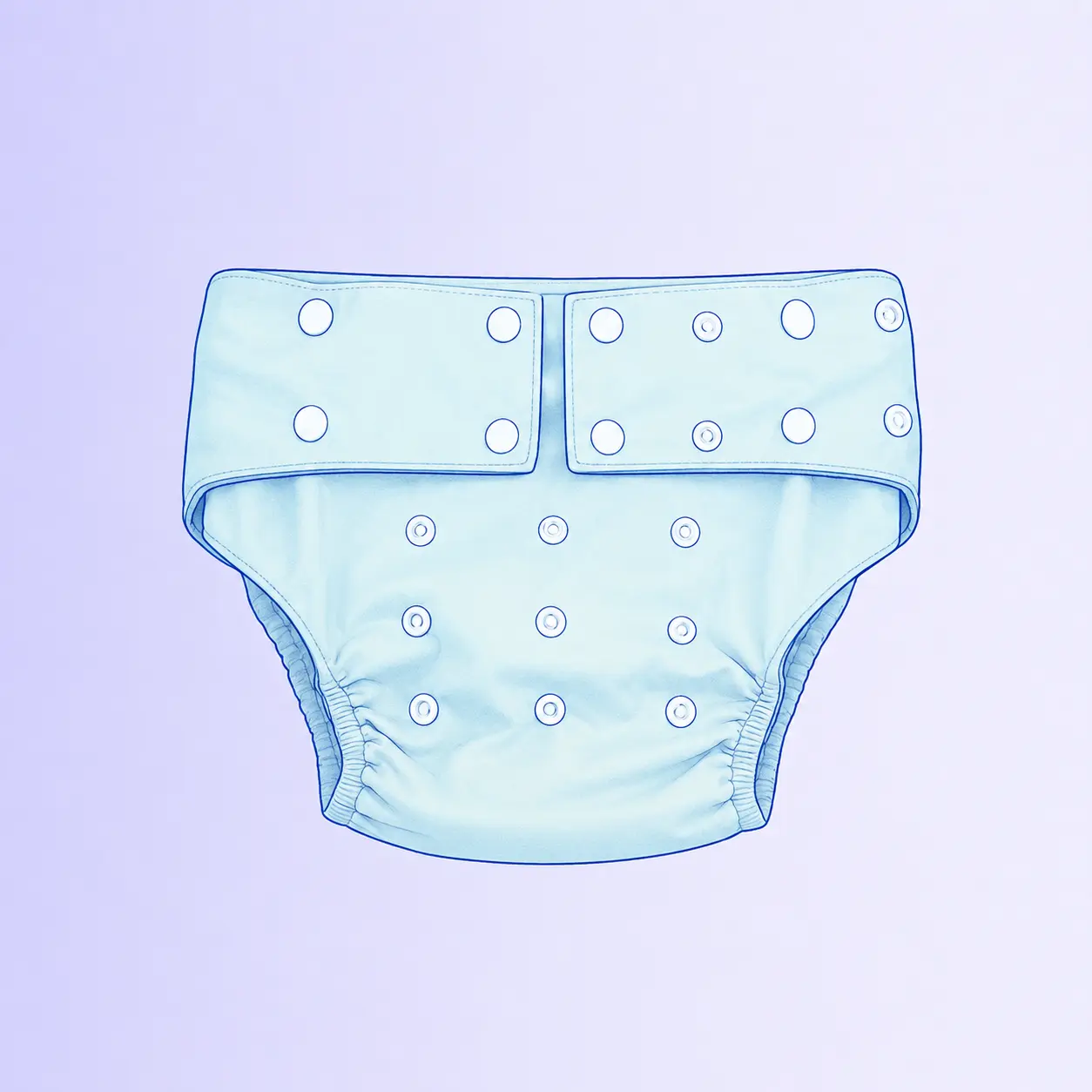
Disposable products generate significant waste. Consider when to transition to adult cloth diapers. These washable options suit light daytime leaks perfectly. They also help users suffering from severe synthetic material allergies. Some caregivers use premium absorbent adult diapers at night, while relying on breathable cloth garments during the day. This hybrid approach saves money and protects sensitive skin.
Many people make a critical error during purchasing. They size up to gain more absorbency. This is a profound mistake. Sizing up creates loose, bagging gaps at the leg openings. Urine will leak directly through these gaps before the core even absorbs it. Always measure your waist-to-hip ratio accurately. Do not rely solely on weight charts. A snug, tailored fit guarantees the best leak protection.
Let us summarize the core shortlisting logic. Default to pull-ups for mobile, independent users managing light to moderate voids. Default to tab-style diapers for heavy incontinence, nighttime security, and caregiver-assisted users. Choosing the correct structural design solves most leakage problems instantly.
Take actionable next steps today. Grab a flexible measuring tape. Take current hip and waist measurements. Request sample packs from medical supply vendors. Do this before you commit to bulk case purchases. Testing a sample ensures the fit matches your specific body type.
Finally, heed this clinical caveat. Consult a urologist or continence nurse if you notice sudden changes in incontinence volume. A drastic increase may indicate an underlying urinary tract infection (UTI). It might also point to an adverse medication side effect. Proper medical evaluation always comes first.
A: Yes, but only if you have light to moderate urinary incontinence. For heavy voids, overnight-rated tab-style briefs offer better leakage protection for side-sleepers.
A: Medicare generally does not cover routine incontinence supplies. Medicaid may cover them with a doctor's prescription, but coverage varies by state and product type.
A: Ensure the ruffles (leak guards) are pulled outward, the tabs are angled correctly (bottom tabs angled up, top tabs angled down), and the size is snug against the groin.
A: Yes. Flow-through booster pads can add absorbency to pull-ups, reducing the need for complete garment changes throughout the day.