- All
- Product Name
- Product Keyword
- Product Model
- Product Summary
- Product Description
- Multi Field Search
English

Author: Site Editor Publish Time: 2026-06-12 Origin: Site
Transitioning to sustainable diapering solutions marks a critical decision point for buyers and retailers alike. Navigating the modern cloth market often feels overwhelming when you face dozens of competing styles. Many traditional cloth options prove either too complicated to wash or too bulky for daily use. Fortunately, the All-in-Two (AI2) model emerges as the perfect pragmatic middle ground. It bridges the gap between old-school flats and heavily constructed All-in-Ones (AIOs).
This guide provides a strictly criteria-based framework for evaluating a reliable ai2 baby diaper supplier. We focus deeply on product durability, compliance standards, and everyday usability. You will learn exactly what to look for before making a significant inventory commitment or building a personal stash. By understanding these core elements, you can confidently navigate supplier claims and secure a system built for long-term success.
System Efficiency: AI2 systems separate the waterproof cover from the absorbent insert, drastically reducing laundry volume and drying times.
Supplier Verification: A credible AI2 baby diaper supplier must provide transparent safety certifications (e.g., OEKO-TEX, CPSIA) and ethical manufacturing data.
Cost-to-Lifespan Ratio: High-quality AI2s require a smaller stash of covers compared to AIOs, lowering the barrier to entry for a modern cloth diaper transition.
Leak Prevention Realities: Success relies heavily on supplier-specific design choices, particularly double leg gussets and insert material blends (e.g., bamboo/hemp).
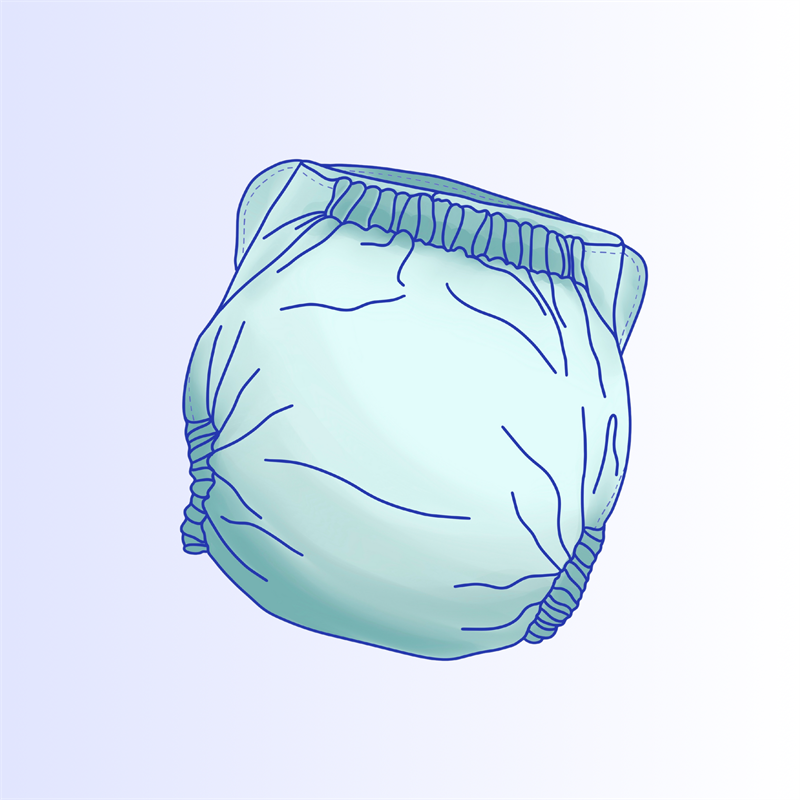
Understanding the fundamental mechanics of an AI2 diaper system helps explain its massive popularity. The system features two distinct components. First, you have a reusable waterproof outer shell. Second, you have an absorbent insert. These inserts either snap directly into the shell or lay flat inside. This modular design offers unmatched flexibility during diaper changes.
All-in-One diapers have the absorbent layers sewn permanently to the waterproof cover. While they mimic the convenience of disposables, they suffer from severe drawbacks. AIOs take an exceptionally long time to dry. In humid climates, an AIO might take two full days to line dry. AI2 systems solve this completely. Because the pieces separate, air circulates freely around the materials. The inserts dry rapidly. Furthermore, you can simply wipe the AI2 waterproof cover clean between uses. If the baby only urinates, you reuse the outer shell and snap in a fresh insert.
Pocket diapers feature a fleece or suede-cloth lining sewn inside the waterproof shell. You must stuff an absorbent insert into the pocket opening before use. This process becomes incredibly tedious on laundry day. When the baby soils the diaper, you must manually pull the wet insert out before washing. AI2 models eliminate this frustrating "stuffing" step entirely. You simply toss the used AI2 into the wash. Modern washing machine agitation naturally separates the snapped inserts from the covers.
The financial barrier to entry drops significantly when you choose the AI2 model. A full-time AIO setup typically requires 24 complete diaper units. Buying 24 premium AIOs requires a large upfront investment. Conversely, the AI2 model relies on rotating covers. You generally only need 6 to 8 waterproof covers. You pair these covers with 20 to 24 absorbent inserts. Buying a fraction of the covers makes this system highly cost-effective for new parents and highly profitable for retailers offering starter bundles.
You must scrutinize potential manufacturing partners strictly. Do not rely on visual aesthetics alone. Evaluate their engineering standards, material sourcing, and hardware durability.
Safety certifications separate professional suppliers from amateur operations. The primary waterproofing layer usually consists of TPU (Thermoplastic Polyurethane) or PUL (Polyurethane Laminate). These synthetic materials must remain 100% non-toxic. Demand verifiable safety certifications from your supplier. Look for OEKO-TEX Standard 100 certification. Look for CPSIA compliance in the United States. Furthermore, evaluate their absorbent fabrics. High-quality suppliers use unbleached natural fibers. Bleached materials often retain harsh chemical residues.
Babies produce varying amounts of output as they grow. You need a supplier offering versatile insert options. A single fabric type rarely meets all needs.
Insert Material | Absorption Speed | Retention Capacity | Best Use Case |
|---|---|---|---|
Microfiber | Extremely Fast | Low (Prone to compression leaks) | Top layer for quick catching |
Bamboo Terry | Moderate | High | Everyday use, balanced performance |
Hemp Blend | Slow | Maximum | Heavy wetters and overnight use |
A premium supplier will allow you to customize these layers. They often design systems where a fast-absorbing microfiber layer snaps onto a high-capacity hemp base.
Diapers endure immense physical stress. They undergo over 300 intense wash cycles during a single child's typical usage period. Evaluate the fastening hardware closely. Hook-and-loop (Velcro) closures degrade quickly over time. They collect lint and lose their grip. Poly-resin snaps offer vastly superior durability. A reliable supplier reinforces the snap areas on the PUL fabric. This reinforcement prevents micro-tears from forming when parents pull the snaps apart roughly.
Double inner gussets serve as the ultimate defense against blowouts. Single leg elastics often fail during heavy toddler movements. Double gussets feature an extra ridge of elastic running along the inner thigh. This creates a secondary wall. We consider double gussets a non-negotiable feature when evaluating any modern system.
Marketing departments frequently use deceptive language. Many brands claim to sell a revolutionary eco parenting product without providing any supporting data. You must actively vet these claims to avoid falling for greenwashing tactics.
Greenwashing occurs when a company exaggerates its environmental benefits. For example, some brands advertise "100% Bamboo" inserts. In reality, the material is highly processed bamboo viscose. Viscose production requires heavy chemical solvents unless the factory uses a closed-loop system. Demand exact material composition breakdowns from your hybrid diaper supplier. Ask them about their factory's wastewater treatment protocols.
Ethical manufacturing matters just as much as raw materials. Investigate where the supplier sources their fabrics. Do they enforce fair labor practices? Reputable companies publish third-party factory audit reports proudly. They share their manufacturing origins transparently. If a supplier refuses to disclose their factory locations, you should immediately look elsewhere.
Consider what happens when the diaper reaches the end of its useful life. Natural fiber inserts like hemp and organic cotton biodegrade naturally over time. The TPU or PUL waterproof shells present a bigger environmental challenge. Assess whether the supplier uses recyclable plastics. Some highly innovative brands now utilize post-consumer recycled water bottles to spin their PUL fabrics. This creates a much better lifecycle loop.
True eco-friendly suppliers reject single-use plastics entirely. They ship bulk orders in compostable mailers. They use minimal, recycled paper wraps instead of individual plastic bags. Excessive plastic packaging signals a severe disconnect between the brand's marketing claims and their operational realities.
Proper maintenance dictates product longevity. Many parents quit cloth diapering simply because they lack a solid wash protocol. Education remains critical for both retailers and direct consumers.
We highly recommend a strict, evidence-based two-cycle wash routine.
Step 1: Cold Pre-Wash. Run a short, cold cycle with half a dose of detergent. This removes 80% of the solid waste. It prevents stains from setting into the fibers.
Step 2: Hot Main Wash. Run a heavy-duty hot cycle. Use a strong, synthetic detergent. Plant-based detergents often fail to remove deep ammonia buildup over time.
Managing soiled items becomes easier when you use the right storage accessories. A reliable wet bag serves as an essential component for any successful modern cloth diaper routine. It contains odors perfectly between wash days and prevents moisture from leaking.
Drying habits often destroy waterproof shells prematurely. High-heat tumble dryers pose severe risks to PUL and TPU fabrics. Intense heat causes the waterproof laminate to separate from the polyester backing. This process is called delamination. Once delamination occurs, the cover will leak permanently.
Best Practice: Always hang or line-dry the waterproof covers. You can safely machine-dry the absorbent inserts on medium or high heat. Machine drying actually helps fluff the natural fibers.
Most systems utilize a "One Size Fits Most" (OSFM) design. They feature adjustable rise snaps on the front panel. Navigating these snaps requires practice and patience.
10 lbs (Infant): Snap the rise all the way down to the lowest row. This shortens the diaper significantly. It pulls the leg elastics tight against small thighs.
20 lbs (Crawler): Open the snaps to the middle row as the torso lengthens.
30 lbs (Toddler): Leave the rise snaps completely open for maximum height.
Common Mistake: Parents often leave the rise snaps open too early. This creates large gaps around the thighs. Thigh gaps inevitably lead to immediate leaks. Always prioritize a snug leg seal over waist tightness.
Do not rush your final decision. The wrong supplier will cost you time, money, and endless frustration. Follow a logical shortlisting process before committing.
Request Sample Testing: Always purchase a trial pack first. Ask for one cover and two different inserts. Test the sample on a baby for at least three days. Observe the fit, the leg seal, and the absorption speed.
Analyze the Materials: Wash the sample five times on hot. Check if the inserts shrink excessively. Check if the PUL feels brittle or distorted.
Evaluate Bulk Pricing: Once satisfied with the quality, negotiate your stash economics or wholesale tiers.
Diapers face intense daily physical stress. You must demand robust warranty coverage. Review the supplier's explicit warranty terms carefully. The warranty must cover snap failures. It should cover premature PUL delamination. It must address elastics relaxation. Accept nothing less than a 6 to 12-month coverage period. Weak warranties indicate poor manufacturing confidence.
Assess the supplier's return flexibility closely. Babies possess unique builds. A diaper that fits a chunky baby perfectly might leak constantly on a tall, thin baby. Check if the supplier accepts unwashed, unused returns. Favorable return windows greatly reduce your purchasing risk.
Finding the ideal AI2 diaper partner requires balancing eco-friendly materials with rigorous anti-leak engineering. You must prioritize manufacturing transparency and extensive material testing above all else. Do not base your decisions purely on aesthetic prints or cheap prices. A beautiful diaper means absolutely nothing if it leaks constantly during everyday use.
Take actionable steps today to secure the best system. First, demand safety certifications directly from your shortlisted suppliers to verify their compliance claims. Second, order a small trial pack immediately to test real-world performance under heavy wash conditions. Finally, commit to mastering your wash routine and fit adjustments. Proper maintenance protects your investment and ensures a seamless, comfortable experience for the child.
A: They are often used interchangeably. However, "hybrid" explicitly highlights the ability to use either reusable cloth inserts or biodegradable disposable inserts inside the same waterproof cover. This dual functionality provides excellent flexibility for travel or daycare scenarios.
A: For full-time washing every 2-3 days, a standard stash requires 6 to 8 waterproof covers and 24 absorbent inserts. This ratio ensures you always have fresh inserts ready while rotating the wipeable covers throughout the day.
A: Yes, provided the supplier offers customizable absorbency. You can easily snap a highly absorbent bamboo booster underneath a dense hemp main insert. This creates massive overnight capacity without compromising the waterproof cover's outer seal.
A: High-quality suppliers reinforce the snap areas directly on the PUL or TPU backing. Inferior products lack this reinforcement. They may experience micro-tears around the hardware. Evaluating the supplier's structural warranty before purchasing remains absolutely critical.